Introduction to Spray Painting
When you make a part with CNC machines, accuracy matters. But accuracy is only part of the story. The surface finish of a part also matters a lot. A smooth, well-coated surface can help parts last longer, work better, and look professional.
Spray painting is one of the most useful and flexible surface finishes for machined parts. It protects metal and plastic parts from rust, chemicals, and wear. It also makes parts look clean and consistent.
This article explains why spray painting matters for the machining parts industry. It is written in simple language for 6th–8th grade reading levels. The goal is to help engineers, buyers, and small business owners understand how spray painting works, when to use it, and why many companies choose SYM Machining for their machining parts needs.
Why Surface Finish Matters
Parts that move, fit, or sit outdoors face real challenges. They can face water, chemicals, heat, friction, and rough handling. A good surface finish helps parts fight these problems.
Main reasons surface finish matters:
- Protection: Paint keeps moisture and chemicals from touching the raw metal or plastic.
- Function: Smooth coatings can reduce friction or prevent electrical shorts.
- Appearance: A consistent finish builds trust in product quality.
- Branding: Color and texture help products match a brand’s look.
- Longevity: Coated parts often last longer and need less maintenance.
In short, surface finishing is not just cosmetic — it adds value and performance.
What Is Spray Painting?
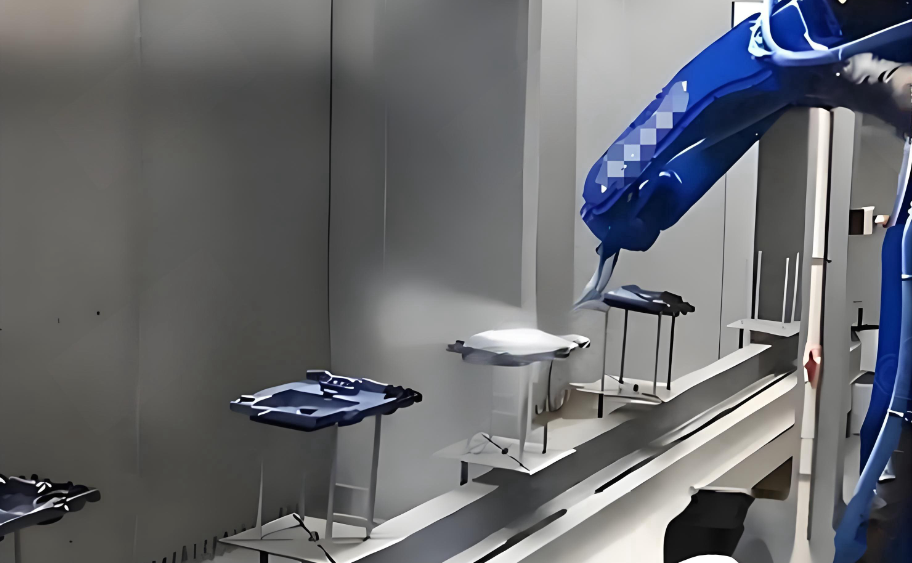
Spray painting uses a spray gun to apply a thin layer of paint. The paint forms a smooth, even coat over the whole part. This method gets into tight corners and works well with complex shapes made by CNC machines.
Types of spray painting systems:
- Air spray: Uses compressed air to break paint into droplets.
- Airless spray: Forces paint through a small tip without air, giving a thicker coat.
- Electrostatic spray: Charges paint particles so they stick to metal surfaces better.
- HVLP (High Volume, Low Pressure): Uses lots of paint at low pressure for less overspray.
Each method has its place. The choice depends on part size, shape, paint type, and production speed.
Benefits of Professional Spray Painting for Machined Parts
Using a professional shop like SYM Machining brings several key benefits:
1. Protection from Corrosion and Wear
Paint creates a barrier against water, salt, and chemicals. This makes parts less likely to rust or pit over time.
2. Improved Durability
Special paints and coatings can add impact resistance, abrasion resistance, and heat resistance.
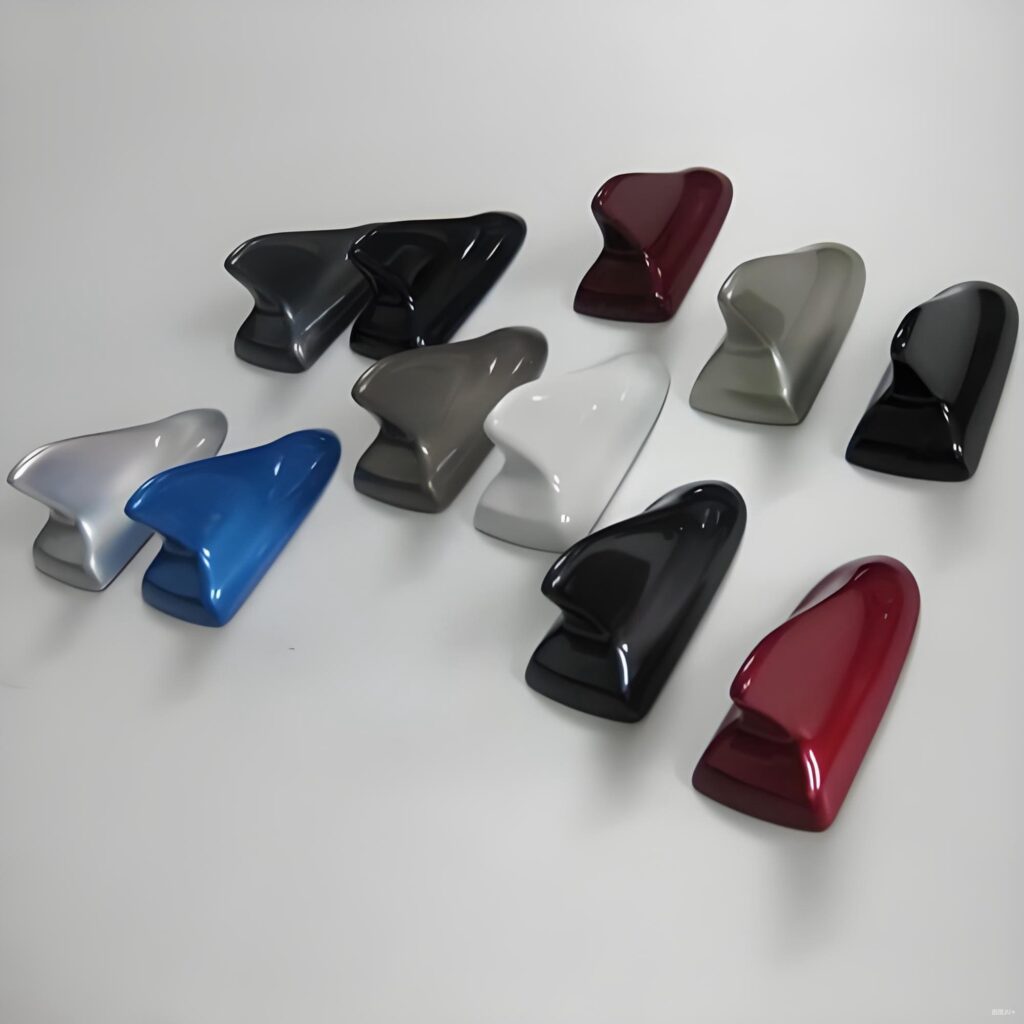
3. Better Aesthetics and Finish Consistency
A professional painter produces smooth, even coats. This makes every part match the rest of the product and feel higher-quality.
4. Precision and Coverage
Pro painters know how to coat threads, flanges, and small cavities without clogging or overcoating critical surfaces.
5. Time and Cost Savings
Professional equipment, controlled environments, and experienced staff speed up production and lower the risk of rework.
6. Compliance with Industry Standards
Some parts must meet industry rules for coatings, chemical resistance, or safety. Professional shops can provide documentation and testing to prove compliance.
Spray Painting vs. Other Finishing Methods
There are many finishing options. Here is how spray painting compares to a few common alternatives:
- Powder coating: Thicker and more durable than many spray paints. Great for heavy wear and outdoor use. But it needs baking ovens and is less flexible for small runs or touch-ups.
- Anodizing: Best for aluminum to create a hard oxide layer. It is long-lasting but limited to certain metals and colors.
- Electroplating: Adds metal layers like chrome or nickel. It can add hardness and conductivity but is more expensive and complex.
- Painting (brush/roller): Cheaper for small jobs but uneven on complex shapes.
- Chemical coatings (e.g., passivation): Protect metals chemically but don’t change the color or texture.
Spray painting is often chosen when you need a good balance of protection, appearance, cost, and versatility.
The Spray Painting Process
A professional spray painting job follows a careful process. Skipping steps can cause peeling, runs, or weak adhesion.
Step1: Surface Preparation
- Cleaning: Remove oils, dust, and shop dirt using solvents or detergents.
- Degreasing: Especially for machined parts with cutting oil residue.
- Abrasive blasting (optional): Small grit blasting helps paint stick well. It removes old coatings and rust.
- Sanding: Smooths rough areas and prepares the surface.
- Masking: Use tape, plugs, or caps to protect threads, holes, or mating surfaces.
Step2: Primer Application
- Primers are common undercoats that improve adhesion and block corrosion.
- Choose a primer matched to the topcoat and base material.
Step3: Spray Painting / Topcoat
- Apply paint in thin, even layers.
- Multiple thin coats are better than one thick coat.
- Maintain the right distance and gun settings for even coverage.
Step4: Curing and Drying
- Some paints air-dry; others need heat curing.
- Proper cure time strengthens the coating and prevents soft spots.
Step5: Inspection and Testing
- Visual checks for runs, sags, or missed spots.
- Measurement of film thickness.
- Adhesion and chemical resistance tests if required.
Step6: Packaging and Shipping
- Use proper packing to avoid scratches.
- Provide certificates or test reports for quality-critical parts.
Paint Types and When to Use Them
Different paints bring different properties. The machining parts industry commonly uses these types:
1. Acrylic Paints
- Fast-drying and easy to apply.
- Good for parts needing good color and moderate protection.
- Best for indoor or low-exposure use.
2. Epoxy Paints
- Strong adhesion and chemical resistance.
- Common for industrial equipment and parts exposed to oil or solvents.
3. Polyurethane Paints
- Tough, flexible, and UV-resistant.
- Great for outdoor parts or those exposed to sun and changing weather.
4. Alkyds and Enamels
- Traditional paints that give glossy finishes.
- Good for consumer-facing parts with lower technical needs.
5. Specialty Coatings (e.g., high-temp, anti-graffiti)
Use these when parts face extreme heat, graffiti, or other special challenges.
Quality Control in Professional Spray Painting
For machined parts, quality control is critical. Professional shops use several checks:
- Visual inspection: Look for uniformity and defects.
- Film thickness gauge: Ensures coatings meet required thickness.
- Adhesion test (cross-cut): Checks whether paint will peel under stress.
- Salt spray testing: Tests corrosion resistance under harsh conditions.
- Chemical resistance testing: Validates resistance to cleaning agents or solvents.
Recording these results helps buyers trust that parts will perform as expected.
Cost Considerations
Cost depends on several factors:
- Part size and complexity
- Number of parts (batch size)
- Paint type and special coatings
- Preparation steps (blasting, masking)
- Curing method (air vs. oven cure)
- Testing and documentation needs
Spray painting is often more cost-effective than powder coating or plating for small to medium runs. For high-volume, heavy-duty parts, other methods might be cheaper in the long run.
When Not to Use Spray Painting
Spray painting is not the best choice in every case. Consider alternatives if:
- The part requires a very hard, thick, or highly abrasion-resistant coating (powder coat or plating may be better).
- The part is made from a metal that needs anodizing for performance (like certain aluminum applications).
- The coating must be metal (e.g., for electrical conductivity).
- Talk to your finish supplier to choose the right method for your needs.
Common Challenges and How Professionals Solve Them
Here are common issues and how professional shops solve them:
Runs and Sags
- Cause: Paint applied too thick or gun too close.
- Fix: Use thinner coats, correct gun setup, and skilled applicators.
Poor Adhesion
- Cause: Contaminated surface or improper primer.
- Fix: Better cleaning, sandblasting, and correct primer choice.
Color Mismatch
- Cause: Poor color matching or inconsistent mixing.
- Fix: Use spectrophotometers for precise color matches and tight process control.
Overspray on Threads or Precision Surfaces
- Cause: Incomplete masking.
- Fix: Use plug caps, tapes, and experienced masking techniques.
FAQs
Q: Can spray paint be applied to stainless steel?
A: Yes. Stainless steel can be painted, but it needs special surface prep to help paint stick.
Q: Will paint hide tool marks or small scratches?
A: Paint can hide small marks, but deep scratches may need filling or polishing before painting.
Q: How long does a spray-painted part last?
A: Life depends on paint type and exposure. With the right coating, parts can last for years.
Q: Can threads be painted?
A: It’s best to mask threads so fasteners fit easily. Some parts may be painted after assembly.
Q: Is color matching possible?
A: Yes. Professionals use tools to match colors closely.
How SYM Machining Supports the Machining Parts Industry
SYM Machining combines machining and finishing under one roof. This gives several advantages:
- Streamlined logistics: Less handling between shops reduces risk of damage.
- Better process control: Machining and painting teams can coordinate to protect critical dimensions.
- Single supplier accountability: One contract covers both machining and finishing.
Maintenance Tips for Painted Parts
To keep painted parts looking and working well:
- Clean parts with mild soap and water when possible.
- Avoid harsh solvents unless the paint is rated for them.
- Inspect painted surfaces regularly for chips or wear.
- Touch up small chips promptly to prevent corrosion.
- Store parts in a dry, clean place before assembly.
Following these tips helps painted parts perform longer.
Final Thoughts
Professional spray painting is more than just adding color. For the machining parts industry, it is a practical way to protect parts, improve performance, and ensure a uniform product appearance. When done right, spray painting saves money over time by extending part life and lowering maintenance needs.
If you make machined parts or buy them, think about the finish as part of the design. Talk to the finishing experts early in the process so your parts are built to last.
SYM Machining offers precision CNC machining combined with professional spray painting services. From material selection to final inspection, SYM Machining can help you get parts that meet your needs for strength, function, and style.
Related articles:
More Than Just a Black Finish: The Engineering Behind DLC Coating
Post-processing services for machining