
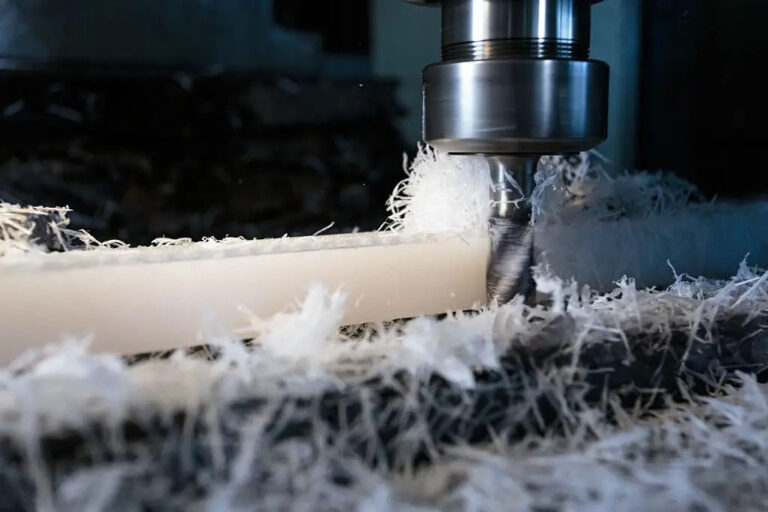
Precision Nylon Solutions: Master High-Tolerance Engineering Plastics
High-performance engineering plastics have transformed modern manufacturing across critical global industries. Among these high-performance materials, industrial nylon remains the premier choice for wear resistance, mechanical
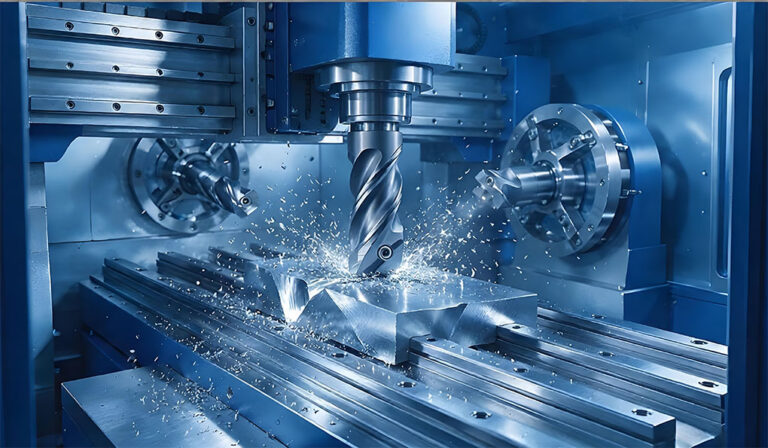
Multi-Axis CNC Milling: The Complete Guide to Precision Machined Parts
Modern manufacturing demands tighter tolerances, complex geometries, and faster production cycles. Industries from aerospace to medical technology keep pushing the boundaries of what machines can
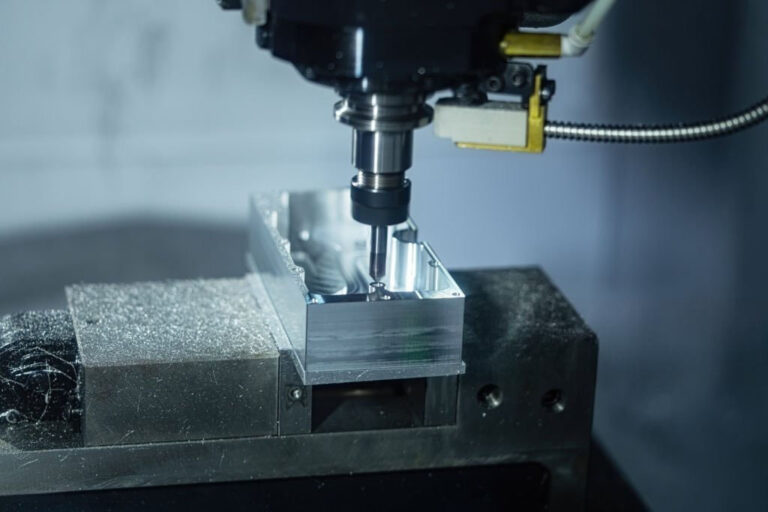
How to Achieve Consistent Wall Thickness in Custom CNC Milling
Achieving precise, uniform wall thickness in custom CNC milling stands as one of the most demanding challenges in precision manufacturing. When thin walls deflect under
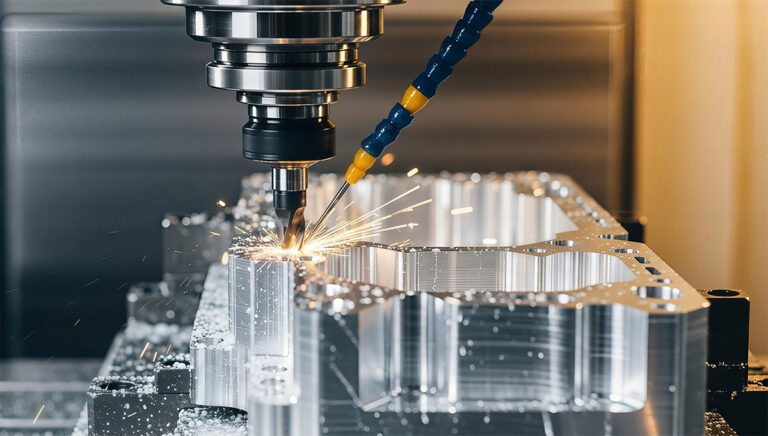
7 Key Facts About AL5052 CNC Machining
Introduction AL5052 CNC Machining holds a distinctive place within the wider world of Aluminum CNC Machining. While many engineers instinctively reach for alloys such as
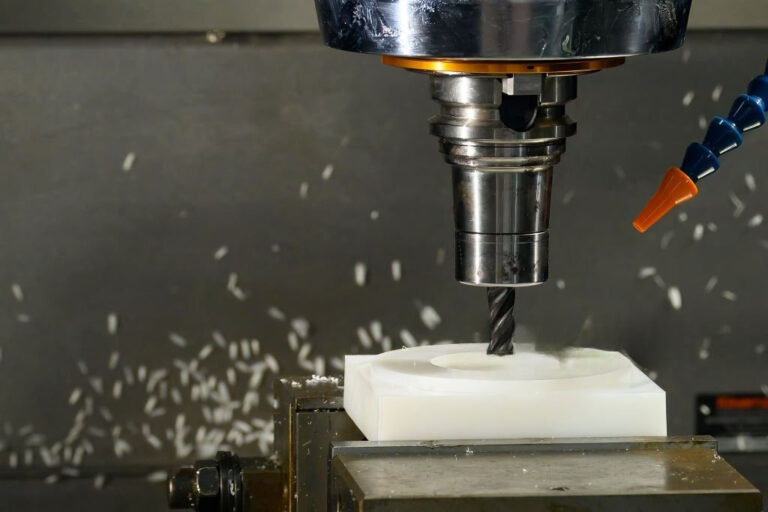
7 Key Advantages of Teflon CNC Machining Services for Precision Custom Parts
Understanding Teflon (PTFE) for High-Precision Applications Polytetrafluoroethylene, commonly known as Teflon or PTFE, is an exceptional engineering fluoropolymer. Engineers specify this versatile material for critical
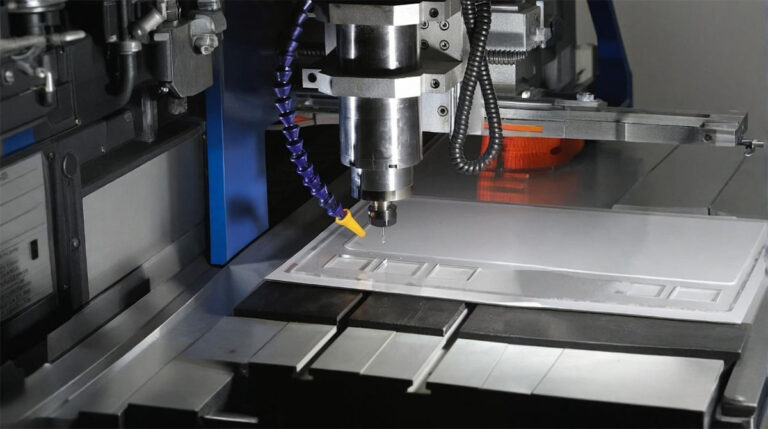
Precision Acrylic and PC Machining Service – CNC Solutions for Clear Plastic Components
Transparent engineered plastics—especially acrylic (PMMA) and polycarbonate (PC)—power modern industries with optical clarity and mechanical strength. From medical devices and aerospace canopies to electronic enclosures,
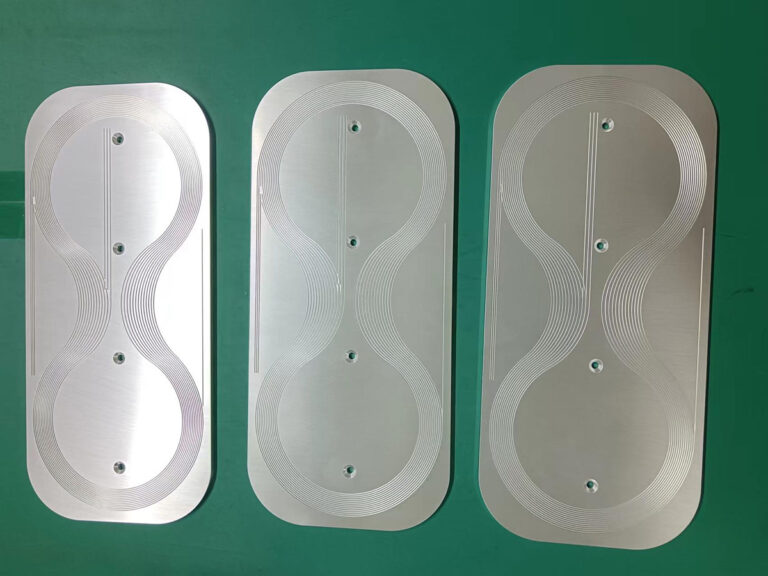
AL6082 CNC Machining – Structural High-Strength Alloy
Introduction In modern manufacturing, the demand for materials that offer both lightweight properties and exceptional structural integrity has never been higher. Among the vast array
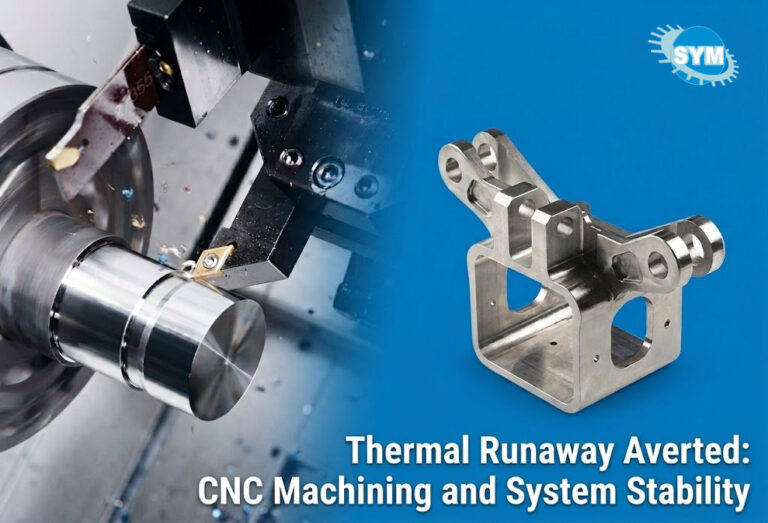
Thermal Runaway Averted: CNC Machining and System Stability
Introduction: The Invisible Threat of Thermal Runaway Modern battery packs store immense amounts of electrical energy in tight spaces. High energy density fuels rapid technical
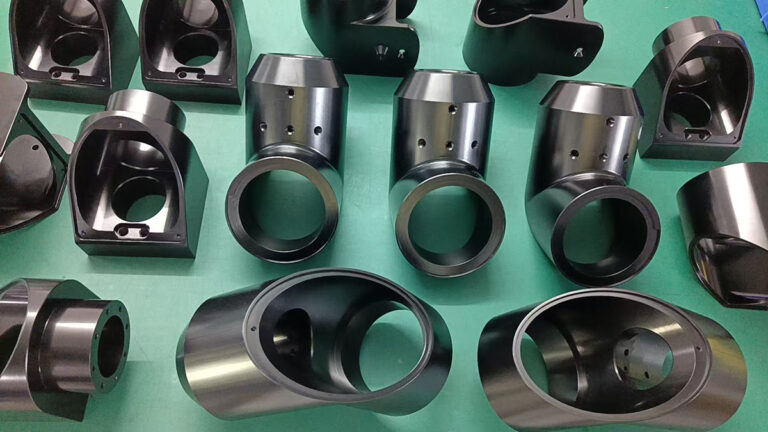
How to Deliver a Smarter Precision Machining Solution
From the customer complaint about the first prototype machining set last year to the signing of a new order for 5 sets of machined parts