Post-Processing Services for machining explained: A Comprehensive Guide to Anodizing, Plating, Polishing, and Painting.
When a metal or plastic part comes out of the CNC machine, it’s not always ready for use. The surface might be rough, dull, or unprotected. That’s where post-processing comes in — a series of finishing services that give a part its final look, feel, and performance.
From the shiny surface of your smartphone case to the protective coating on airplane components, post-processing is the final step that turns a machined part into a functional, durable, and beautiful product.
What Is Post-Processing?
Post-processing means any treatment or operation performed on a part after it has been machined, printed, or cast. The goal is to improve its appearance, durability, corrosion resistance, or performance.
Imagine building a metal part — maybe a gear, housing, or bracket. When it first comes off the CNC machine, it might have tool marks, sharp edges, or uneven color. Post-processing helps solve those issues by:
- Smoothing surfaces
- Protecting against rust or corrosion
- Adding color or shine
- Improving hardness or wear resistance
In short, post-processing makes parts not just look good, but last longer and work better.
Common post-processing services include:
- Anodizing (for aluminum)
- Plating (such as nickel, chrome, or zinc coating)
- Polishing (for smooth or mirror finishes)
- Electropolishing (Deburring & Corrosion Resistance)
- Painting (for color and protection)
Why Post-Processing Is Important
Many industries — including aerospace, medical, automotive, and robotics — require post-processed parts because appearance, performance, and cleanliness matter.
Here are the main reasons post-processing is essential:
- Corrosion Resistance – Prevents parts from rusting or oxidizing.
- Aesthetic Appeal – Gives parts a professional, consistent look.
- Durability – Strengthens surface hardness and wear resistance.
- Smooth Functionality – Reduces friction and improves part fit.
- Brand Identity – Paints and coatings can match a company’s design or color standard.
Understanding Anodizing
What Is Anodizing?
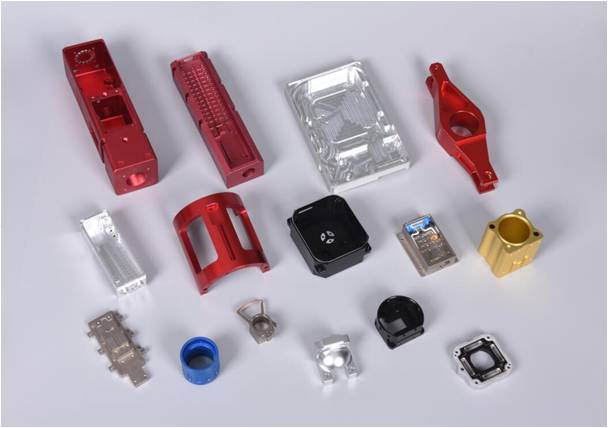
Anodizing is a kind of post-processing services for machining, it is an electrochemical process used mostly on aluminum parts. It thickens the natural oxide layer on the surface, creating a hard, corrosion-resistant finish that can also be dyed in various colors.
How It Works
The aluminum part is dipped into an acid bath, and an electric current passes through it. This forms a durable aluminum oxide layer that becomes part of the metal surface itself — not just a coating.
Key Benefits
- Corrosion resistance: Great for outdoor or marine use.
- Color options: Silver, black, red, blue, gold, and more.
- Harder surface: Improved wear resistance and scratch protection.
- Non-conductive: Useful for electrical applications.
Types of Anodizing
- Type I – Chromic Acid Anodizing (thin, good for aerospace parts)
- Type II – Sulfuric Acid Anodizing (standard decorative coating)
- Type III – Hard Anodizing (thicker, very durable for high-wear parts)
Applications
- Camera housings
- Aerospace components
- Medical device enclosures
- Consumer electronics
Understanding Plating
What Is Plating?
Plating is the process of applying a thin metal coating onto a part’s surface. It can be done for appearance, conductivity, or protection against corrosion.
Types of Metal Plating
1. Nickel Plating
- Adds corrosion resistance and smooth finish
- Common in automotive and electronics parts
2. Chrome Plating
- Very shiny and durable
- Ideal for decorative or wear-resistant applications
3. Zinc Plating
- Protects steel parts from rust
- Often used for screws, bolts, and fasteners
4. Gold or Silver Plating
- Used in electronics for excellent conductivity
- Also common in medical or luxury products
Benefits of Plating
- Excellent protection against corrosion
- Enhanced appearance and brightness
- Increased wear resistance
- Electrical conductivity (for gold, silver, or copper plating)
Common Uses
- Automotive parts
- Connectors and circuit boards
- Hydraulic components
- Medical instruments
Understanding Polishing
What Is Polishing?
Polishing is a mechanical finishing process that removes small imperfections and creates a smooth, reflective surface. It can range from a brushed matte finish to a mirror-like shine, depending on the requirements.
How It Works
Polishing uses abrasives, compounds, or buffing wheels to gently smooth the surface. The process may include several stages — rough polishing, fine polishing, and final buffing.
Benefits
- Improved appearance – Smooth, clean, professional look
- Reduced friction – Helps moving parts work better
- Easier cleaning – Smooth surfaces collect less dirt or bacteria
- Enhanced corrosion resistance – Fewer surface pores for oxidation
Applications
- Medical and dental tools
- Kitchen appliances
- Automotive and decorative parts
- Precision components requiring smooth operation
Understanding Painting
What Is Industrial Painting?
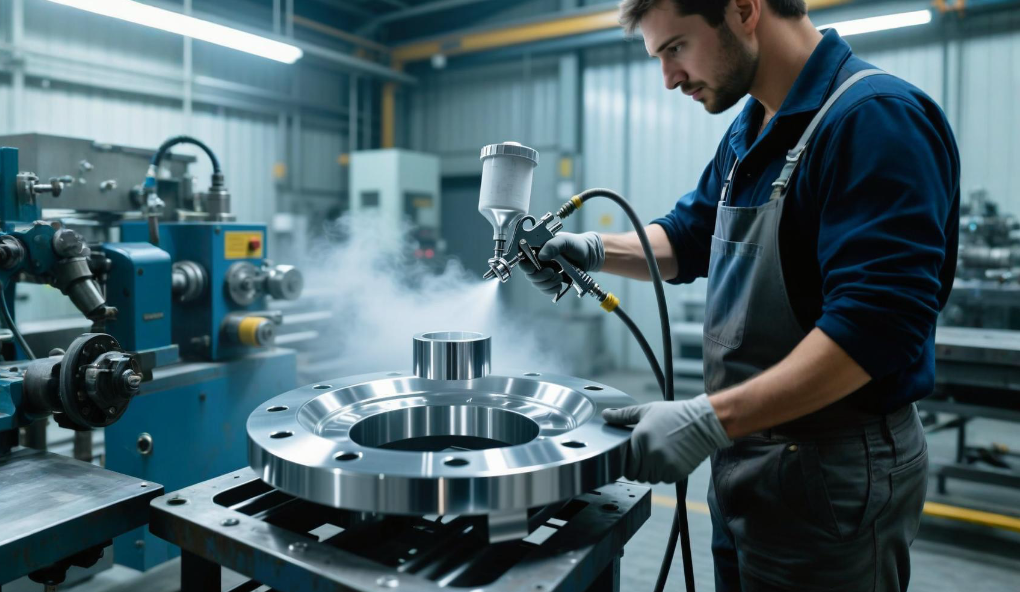
Painting adds color, protection, and branding to finished parts. Industrial paint is different from household paint — it’s stronger, smoother, and designed to resist wear, chemicals, and temperature changes.
Common Types of Paint Finishes
- Powder Coating – A dry powder that’s baked onto the part, creating a hard, durable finish.
- Liquid Spray Painting – A wet paint applied using spray guns, suitable for fine color control.
- Epoxy or Polyurethane Coatings – Strong paints used for mechanical and outdoor protection.
Benefits of Painting
- Improved corrosion resistance
- Color customization
- UV and weather protection
- Better brand consistency
Typical Applications
- Automotive and industrial housings
- Machinery covers and panels
- Consumer electronics
- Custom prototypes
Comparing the Four Main Post-Processing Services
| Process | Best For | Key Benefits | Typical Materials |
| Anodizing | Aluminum parts | Hard, corrosion-resistant, colorful | Aluminum |
| Plating | Functional coatings | Corrosion resistance, conductivity | Steel, copper, brass |
| Polishing | Appearance and smoothness | Shiny, smooth, easy to clean | Metal, plastic |
| Painting | Color and protection | Durable, aesthetic, weather-resistant | Metal, plastic |
Each process can be customized depending on the part’s function, environment, and industry. For example, an aluminum enclosure might need anodizing for protection, while a steel fastener could be plated with zinc for corrosion resistance.
How to Choose the Right Post-Processing Method
Selecting the right surface finish depends on:
- Material Type – Aluminum, steel, brass, plastic, etc.
- Function of the Part – Structural, decorative, electrical, etc.
- Operating Environment – Indoor, outdoor, high temperature, medical sterilization.
- Budget and Appearance – Some finishes are more affordable or decorative.
Example Scenarios:
- If you need strong corrosion protection → choose anodizing or plating.
- If you need mirror shine → choose polishing.
- If you want color and branding → choose painting.
Industries That Rely on Post-Processed Parts
Different industries rely on post-processing to meet functional and visual requirements:
Medical – Polished, sterilizable tools and components
Aerospace – Anodized aluminum housings, corrosion-resistant coatings
Automotive – Painted panels, chrome-plated parts
Robotics – Anodized frames, polished actuator housings
Consumer Electronics – Colored, anodized casings and connectors
How SYM Machining Delivers Complete Post-Processing Solutions
SYM Machining doesn’t stop at precision machining. We provide end-to-end solutions, including surface finishing, so our customers receive parts ready for immediate assembly or use.
Our Post-Processing Capabilities Include:
- Anodizing (Type II and Type III)
- Nickel, zinc, chrome plating
- Mechanical and mirror polishing
- Powder coating and painting
- Sandblasting and bead blasting
- Brushing and surface texturing
Why Choose SYM Machining
✅ One-stop service – From CNC machining to finishing and assembly
✅ Consistent quality – Every part inspected for appearance and dimensions
✅ Experienced team – Skilled technicians with years of finishing experience
✅ Custom options – Colors, textures, and coatings per client request
✅ ISO 9001 quality system – Ensures traceability and precision
At SYM, our mission is to make post-processing simple, reliable, and repeatable, so our clients can focus on design and performance, not production worries.
Conclusion
Post-processing may be the final step in manufacturing, but it’s also one of the most important. It transforms a basic part into a durable, attractive, and high-performance component ready for real-world use.
From anodizing aluminum to polishing stainless steel , DLC coating and painting custom colors, each finishing method adds value and function.
At SYM Machining, we combine precision CNC machining with complete post-processing services to deliver ready-to-use components that meet the toughest industrial, medical, and consumer standards. Whether you need a bright polished finish, hard anodized protection, or a vibrant color coating, SYM Machining is your reliable partner for quality from start to finish.