In today’s fast-moving world, industries need parts that are not only precise but also produced in flexible ways. Traditional mass production works well for products that are made in huge numbers. But what happens when a company needs many different parts, each in smaller amounts? This is where low-volume, high-mix machining comes in.
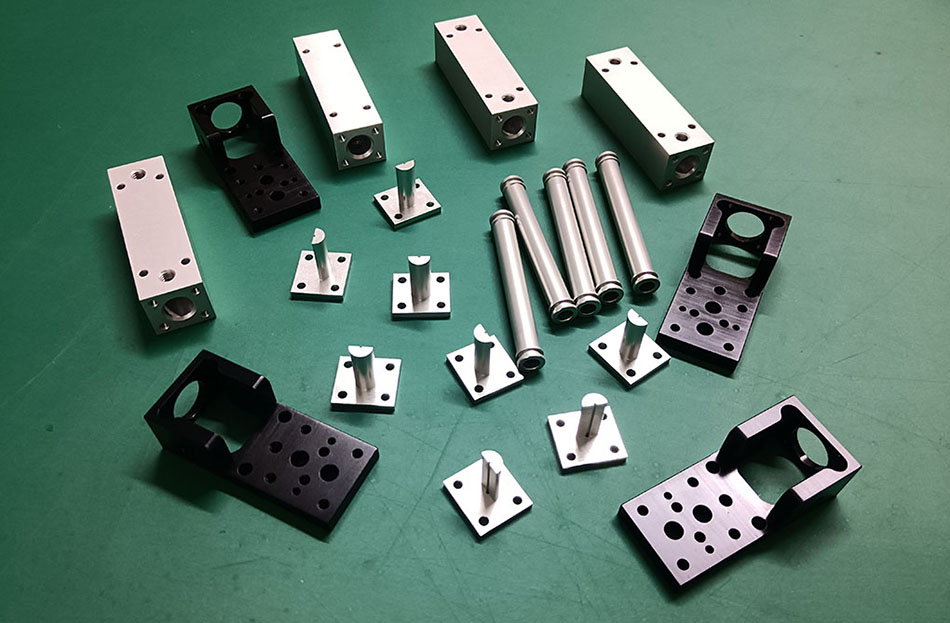
Low-volume, high-mix machining is a method that focuses on making smaller batches of many different types of parts. Instead of producing one design in thousands or millions, this process delivers smaller numbers but with a wide variety of designs. It gives manufacturers the freedom to meet special requirements, test prototypes, and adapt quickly to customer needs.
In this guide, we’ll explore what low-volume, high-mix machining is, why it matters, its key benefits, its challenges, and how companies like SYM Machining provide world-class solutions in this field.
What is Low-Volume, High-Mix Machining?
The term low-volume means making parts in smaller amounts, often from a few units up to a few hundred or thousand. The high-mix part means that there are many different types of parts being produced at the same time.
Think of it this way: imagine a bakery. A factory that makes millions of cookies each day is like mass production—fast, repetitive, and designed for scale. But a bakery that makes many different cakes, breads, and pastries in small batches for each customer is more like low-volume, high-mix production.
In machining, this approach allows companies to handle a wide variety of shapes, materials, and tolerances without needing to commit to huge production runs.
Why is Low-Volume, High-Mix Machining Important?
Industries today move quickly. Customers want products that are customized, unique, and designed for performance. Waiting for a massive production setup is not always possible.
Here are some reasons why low-volume, high-mix machining has become so important:
- Speed to Market – Companies can develop prototypes, test them, and get them into customers’ hands much faster.
- Flexibility – Different designs and materials can be tested without committing to thousands of parts.
- Cost Efficiency for Small Runs – For businesses that don’t need large-scale production, this process saves money.
- Support for Innovation – Engineers and designers can experiment, change, and improve products quickly.
- Customization – Customers often demand unique solutions. This method makes personalization possible.
Industries That Rely on Low-Volume, High-Mix Machining
This machining style is especially valuable in industries where precision, flexibility, and customization are key. Some of these include:
- Aerospace – Aircraft parts must be extremely precise and often customized for specific models.
- Medical Devices – Devices like implants or surgical tools are often made in smaller batches with high accuracy.
- Automotive Prototypes – Car companies test new designs and need small quantities before full production.
- Electronics – Small, specialized parts for devices are often produced in limited runs.
- Robotics – Each project may require unique parts, demanding flexibility.
Key Benefits of Low-Volume, High-Mix Machining
1. Greater Flexibility
Unlike mass production, low-volume machining can switch between different projects quickly. This is critical when customers need different designs.
2. Reduced Waste
Producing smaller batches means less waste, both in terms of material and money.
3. Faster Innovation
Companies can make changes quickly. If a design needs updating, it can be done without halting a massive production line.
4. Improved Customer Satisfaction
When customers get parts that are tailored to their needs, their satisfaction increases.
5. Lower Risk
Producing millions of parts that might fail or need changes is risky. Small runs reduce that risk.
Challenges of Low-Volume, High-Mix Machining
While this method has many benefits, it also comes with challenges:
- Complex Scheduling – Many different projects need careful planning to avoid delays.
- Skilled Workforce – Machinists must be highly trained to handle varied jobs.
- Equipment Investment – CNC machines, inspection tools, and software are required to adapt quickly.
- Quality Control – With many different designs, keeping quality high requires strict processes.
- Cost Balance – While cheaper than mass production for small runs, the cost per part can still be higher.
This is why working with an experienced partner, like SYM Machining, is so important.
The Role of Technology in Low-Volume, High-Mix Machining
Modern technology makes this kind of machining possible.
- CNC Machining – Computer-controlled machines allow precise, repeatable results even for complex parts.
- CAD/CAM Software – Designs are created and directly sent to machines, reducing setup times.
- Automation – Smart machines can switch between jobs with minimal downtime.
- Inspection Systems – Advanced tools ensure every part meets strict tolerances.
SYM Machining invests in these technologies to guarantee that every project—no matter how complex—is delivered with speed and precision.
SYM Machining: Your Partner in Precision
When it comes to low-volume, high-mix machining, SYM Machining stands out as a trusted partner. With years of experience, advanced equipment, and a skilled team, SYM provides flexible, reliable, and high-quality machining services.
At SYM, the focus is not only on producing parts but also on building long-term relationships with clients. They understand that every project is different and requires careful attention. Whether it’s a prototype for a new product or custom parts for a critical application, SYM ensures that precision and quality are never compromised.
Some key strengths of SYM Machining include:
- Ability to handle a wide range of materials (metals, plastics, alloys).
- Fast turnaround times for urgent projects.
- Strict quality control systems that guarantee accuracy.
- A team that works closely with customers to understand their needs.
By combining technology, expertise, and customer care, SYM Machining helps clients succeed in industries where precision and flexibility matter most.
How Companies Can Succeed with Low-Volume, High-Mix Machining
If your business is considering this approach, here are some strategic steps:
- Choose the Right Partner – Work with an experienced machining company like SYM Machining that understands flexibility and precision.
- Use Digital Tools – CAD/CAM and CNC machining reduce setup times and improve efficiency.
- Plan Carefully – Good scheduling ensures that multiple projects can run smoothly.
- Focus on Quality – Every part must meet strict standards, no matter the batch size.
- Stay Flexible – Be ready to adapt designs and materials quickly as customer needs change.
Future of Low-Volume, High-Mix Machining
As industries continue to demand customization, speed, and innovation, this machining style will grow even more important. New technologies like AI-driven scheduling, smarter CNC machines, and 3D printing will continue to improve flexibility.
Companies that embrace low-volume, high-mix machining will be better positioned to innovate, reduce risks, and deliver value to their customers.
Conclusion
Low-volume, high-mix machining is more than just a trend—it is a strategic approach to modern manufacturing. It allows companies to stay flexible, deliver precise parts, and bring new ideas to life faster.
While it comes with challenges, the benefits—such as speed, customization, and reduced risk—make it a powerful solution for today’s industries.
With partners like SYM Machining, businesses can take full advantage of this approach, ensuring that you will get every project with precision, flexibility, and reliability.
Related articles:
Custom CNC Milling Services | Precision Machining Solutions
Know Insights When Choosing a Precision Machined Components Supplier