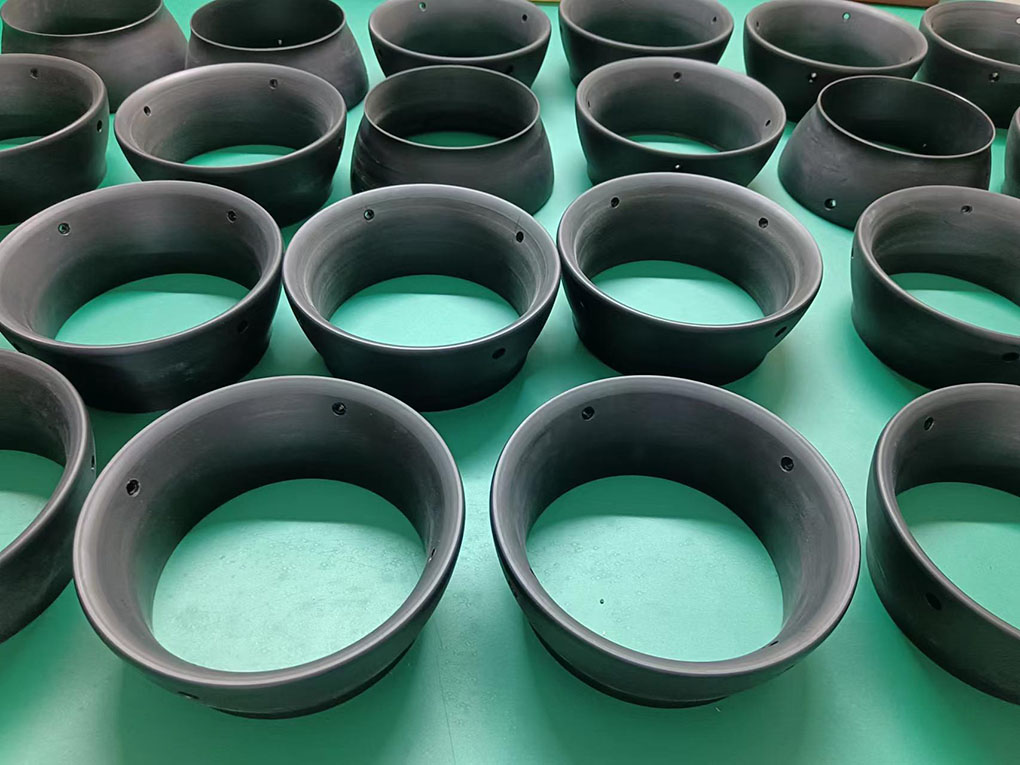
When you design high-performance plastic components, visual clarity and structural integrity are paramount. Yet, manufacturers often encounter a frustrating phenomenon: surface whitening. This cosmetic defect manifests as pale, chalky streaks, cloudy patches, or localized discoloration on an otherwise vibrant plastic surface.
Surface whitening is more than just an aesthetic annoyance. In precision industries like medical devices, optical systems, and high-end consumer electronics, this discoloration can indicate underlying mechanical stress or micro-structural damage. To eliminate this defect, engineers must understand the physical triggers behind it, learn how to prevent it during the machining stage, and discover how to remediate affected parts.
The Root Causes of Surface Whitening
Surface whitening in CNC-machined plastics does not occur at random. It stems from specific physical and thermal reactions when cutting tools interact with polymer structures.
1. Mechanical Stress and Crazing
At the molecular level, polymers consist of long, intertwined chain networks. When a CNC cutting tool exerts excessive localized force, it stretches these chains beyond their elastic limit. This physical overload initiates a phenomenon known as crazing.
Unlike cracks, which represent complete material separation, crazes are microscopic regions spanned by highly oriented, stretched polymer fibrils. These fibrils contain countless tiny, empty voids. When light hits these microscopic air gaps, it scatters in multiple directions instead of passing through or reflecting cleanly. This diffuse light scattering is what the human eye perceives as a cloudy, white patch.
Crazing is particularly common in amorphous plastics such as polycarbonate (PC), polymethyl methacrylate (PMMA/Acrylic), and polystyrene (PS).
2. Thermal Degradation and Overheating
Plastics are notorious thermal insulators. Unlike metals, which quickly conduct heat away from the cutting zone and dissipate it through the workpiece, plastics trap heat at the point of tool contact.
If your cutting speeds are too high or your tools are dull, the friction generates extreme localized heat. This localized energy raises the polymer temperature above its glass transition temperature or even its melting point. The intense thermal energy causes the polymer chains to break apart, a process known as chain scissoring. As the material degrades, it releases gaseous byproducts that get trapped just beneath the solidifying surface. These tiny, trapped gas bubbles scatter light, creating a hazy, white finish.
3. Chemical Stress Cracking
During or after the machining process, components frequently contact fluids like cutting coolants, degreasers, or cleaning solvents. If the machined part harbors high residual stresses from aggressive cutting, exposing it to incompatible chemicals triggers environmental stress cracking (ESC).
The fluid acts as a plasticizer, slipping between the tightly packed polymer chains and weakening their intermolecular bonds. This structural weakening allows the internal stresses to release rapidly, creating a dense network of microscopic cracks. These micro-fractures scatter light and produce a distinct white, weathered appearance.
Proactive Prevention Strategies in CNC Machining
Preventing surface whitening requires a careful balance of tool geometry, optimized cutting parameters, and smart material selection. By managing these variables, you can minimize both mechanical and thermal stress on the plastic.
| Parameter | Recommended Setup for Plastics | Why It Prevents Whitening |
| Rake Angle | Highly positive(10° to 15°) | Slices material cleanly; reduces tool pressure and friction. |
| Relief Angle | Large (10° to 15°) | Prevents the tool flank from rubbing against the freshly cut surface. |
| Cutting Speed | Moderato | Controls frictional heat buildup at the cutting edge. |
| Feed Rate | Alto | Moves the tool quickly to carry heat away inside the ejected chips. |
| Coolant System | Soluble oil mist or continuous air blast | Dissipates heat without introducing harsh chemical solvents. |
Tool Geometry Optimization
Standard metal-cutting tools are too blunt for plastics. To prevent mechanical deformation, you must use cutting tools designed specifically for polymers. These tools feature razor-sharp cutting edges with highly polished top surfaces.
A polished flute prevents plastic chips from sticking to the tool, which is a major cause of frictional heat. Additionally, high positive rake angles reduce cutting forces, while generous relief angles prevent the tool flank from rubbing against the workpiece.
Optimizing Feed Rates and Cutting Speeds
To control thermal buildup, you must find the right balance between cutting speed and feed rate. If your cutting speed is too high, the friction will quickly melt the plastic. If your feed rate is too low, the tool dwells in one spot for too long, rubbing the material rather than cutting it.
You should utilize moderate cutting speeds combined with relatively high feed rates. This setup ensures that the heat generated during the cut is carried away inside the ejected chip, keeping the workpiece cool.
Selecting the Right Coolant
While cooling is critical, using the wrong cutting fluid can ruin your parts. Avoid petroleum-based lubricants or coolants containing active sulfur and chlorine, as these chemicals promote chemical stress cracking in amorphous plastics.
Instead, opt for water-soluble, semi-synthetic coolants specifically formulated for plastics, or use a continuous, high-pressure cold-air blast. Cold air is highly effective because it cools the cutting zone while completely eliminating chemical compatibility risks.
Effective Post-Machining Solutions
If surface whitening occurs despite your best efforts, you do not necessarily have to scrap the parts. Several post-processing techniques can restore both surface clarity and material strength.
1. Thermal Annealing
Annealing is a heat-treatment process that relieves the internal residual stresses locked inside the machined plastic. To anneal a part, you place it in a temperature-controlled oven and slowly raise the temperature to just below the material’s glass transition temperature.
Holding the plastic at this elevated temperature allows the compressed, stretched polymer chains to relax back into their natural, low-energy state. As the chains reorganize, microscopic crazes close up, and the white coloration fades away. To prevent the part from warping or distorting, you must cool the oven down very slowly.
2. Physical and Chemical Refinishing
If the whitening is strictly limited to the outer boundary of the part, you can remove it using surface refinishing techniques:
- Precision Sanding and Wet Polishing: Progressive sanding with ultra-fine grits (from 800 up to 2000 grit) physically grinds away the damaged, whitened layer. Following up with a buffing wheel and a fine polishing paste restores optical clarity.
- Vapor Polishing: This process exposes the part to a vaporized solvent, such as methylene chloride for polycarbonate. The vapor condenses on the surface, melting a microscopic outer layer. The liquid plastic flows to fill in micro-voids and crazes, solidifying into a crystal-clear finish.
- Flame Polishing: Pass a specialized, high-temperature gas flame rapidly over the plastic surface. The intense heat melts the outer boundary of the material, sealing microscopic cracks and removing surface haze. This method works exceptionally well on acrylic parts.
How to Achieve Flawless Plastic Parts
Eliminating surface whitening requires deep technical expertise, specialized tooling, and precise process control. At Lavorazione SYM, we bring over 25 years of manufacturing excellence to every project. We understand the subtle differences between various engineering plastics, and we configure our advanced 3-axis, 4-axis, and 5-axis CNC machines to prevent thermal and mechanical stress.
From prototyping to high-volume production, we maintain strict quality control to deliver flawless, ultra-precise parts. Let us help you optimize your designs and choose the perfect machining strategy. Contact SYM Machining today to request a quote and bring your high-performance plastic projects to life.
Articoli correlati: articoli di riferimento
PEEK CNC Machining vs. Delrin CNC Machining
Servizi di lavorazione CNC della plastica PEEK | Parti di precisione ad alte prestazioni