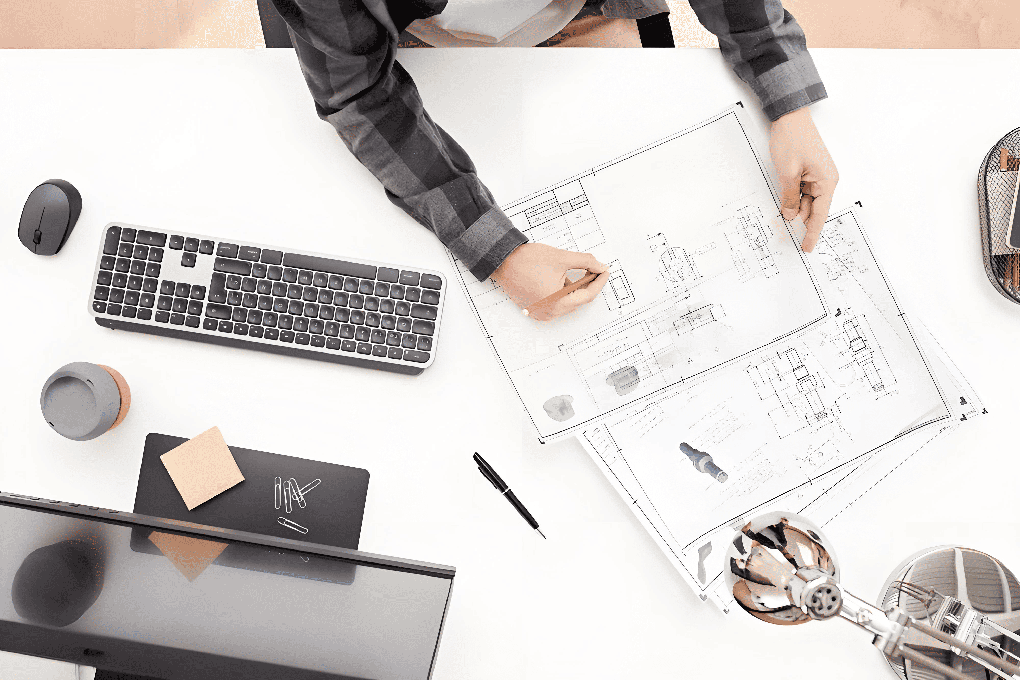
Why Engineering Drawings Still Control the Success of Every Manufacturing Project
In modern engineering, 3D modeling and digital twins dominate the conversation. But a dangerous misconception has taken root: that engineering drawings are just a formality.
Many project managers and engineers now treat engineering drawings as a “tick-the-box” exercise—documents rushed at the end of a project just to satisfy a procurement checklist.
This shift in mindset is exactly where technical projects begin to fail. When an engineering drawing becomes secondary documentation instead of a primary control tool, the project turns from disciplined engineering into a high-stakes game of guesswork.
Engineering Drawings Are Legal Contracts, Not Just Pictures
A high-quality engineering drawing is more than an illustration. It is a legally and technically binding contract between designer and manufacturer.
Vagueness leads to conflict. If a contract doesn’t define delivery terms clearly, both sides must interpret intent. In precision machining, “interpretation” is another word for error.
The engineering drawing is the ultimate authority on the workshop floor. It bridges the gap between a digital model and a physical part that must function correctly within a larger assembly.
❌ “The welder will know what to do.”
❌ “It’s obvious from the model.”
These assumptions abandon core responsibility. When technicians must guess, they rely on habit—not function. Without an engineering drawing to define weld profiles, tolerances, or surface finishes, the documentation—not the technician—is at fault.
Every guess on the shop floor costs time. Every assumption costs money.
“If it is not on the engineering drawing, it does not exist. If it is unclear, it will be interpreted. If it is overcomplicated, it will be ignored.”
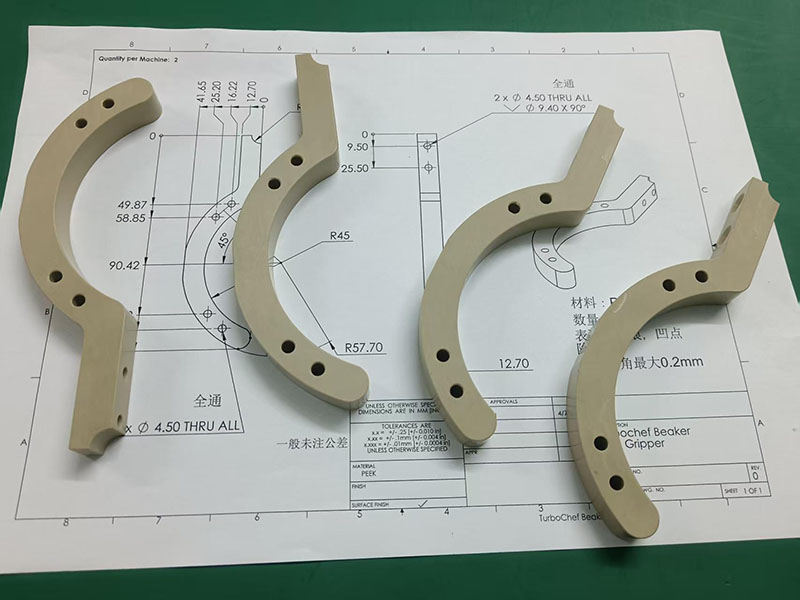
Why a 3D Model Cannot Replace Engineering Drawings
3D models are excellent for interference checks and CAM programming. But they are poor at communicating functional intent—which is exactly what engineering drawings do best.
A 3D model shows a perfect, “nominal” shape that cannot exist in the real world. Real manufacturing is the science of managing variation. Each dimension requires a tolerance, every surface has its own texture, and all features must maintain a critical relationship with their mating parts.
A model rarely tells you:
-
Which dimensions are critical for the part’s life cycle
-
Which are merely secondary geometry
The shop floor reality:
A CNC operator or press brake technician needs immediate, clear instructions on tolerances and inspection points. Navigating a complex 3D model to find one clearance requirement is a bottleneck.
If critical information is not shown clearly on an engineering drawing, the operator uses their best judgment. That costs productivity—and quality.
A professional engineering drawing provides a curated, localized view of exactly what matters for that part’s success.
What Makes Engineering Drawings Outcome-Driven
The best engineering drawings are defined by clarity of intent, not density of data.
A machinist should instantly recognize:
-
Functional features – bearing seats, sealing surfaces
-
Secondary features – structural or aesthetic
This allows manufacturers to spend precision where it’s mandatory and stay efficient where it’s not. Using Geometric Dimensioning and Tolerancing (GD&T) correctly within your engineering drawings shows where the real precision “battle” happens.
Also consider manufacturability:
-
Tool access
-
Material grain direction
-
Heat treatment distortion
An engineering drawing that ignores these realities invites failure. High-quality engineering drawings give manufacturers breathing room where precision isn’t needed. That balance delivers parts that are both functional and cost-effective.
Control the critical features. Relax the rest. Your shop floor will respect—not bypass—your engineering drawings.
The Financial Impact of Engineering Drawing Quality
Errors in engineering drawings become exponentially more expensive as a project moves from screen to shipping dock.
| Stage | Cost of error |
|---|---|
| Drafting phase | Minutes of engineer time |
| Final inspection | Cost of raw materials + energy + labor |
| Client assembly | Entire project profit margin + reputation damage |
Investing in high-quality engineering drawings is insurance against project insolvency.
Clear, unambiguous engineering drawings eliminate the “hidden factory” of rework and adjustment that plagues poorly documented projects. You deliver exactly what was envisioned—on time and within budget.
In a world of increasing complexity, engineering drawings remain your most powerful tool for ensuring that what you imagine is exactly what you build.
Partner with Precision: SYM Machining
Your designs deserve more than a tick-the-box approach.
At SYM Machining, we respect the power of professional engineering drawing. We partner with you to turn high-stakes documentation into high-precision reality. We understand the language of engineering intent—and the value of a perfect finish.
📞 Contact SYM Machining today to ensure your next project is governed by precision, not guesswork.
Related Article:
Custom High Quality Precision Machined Parts: A Guide to Superior Engineering