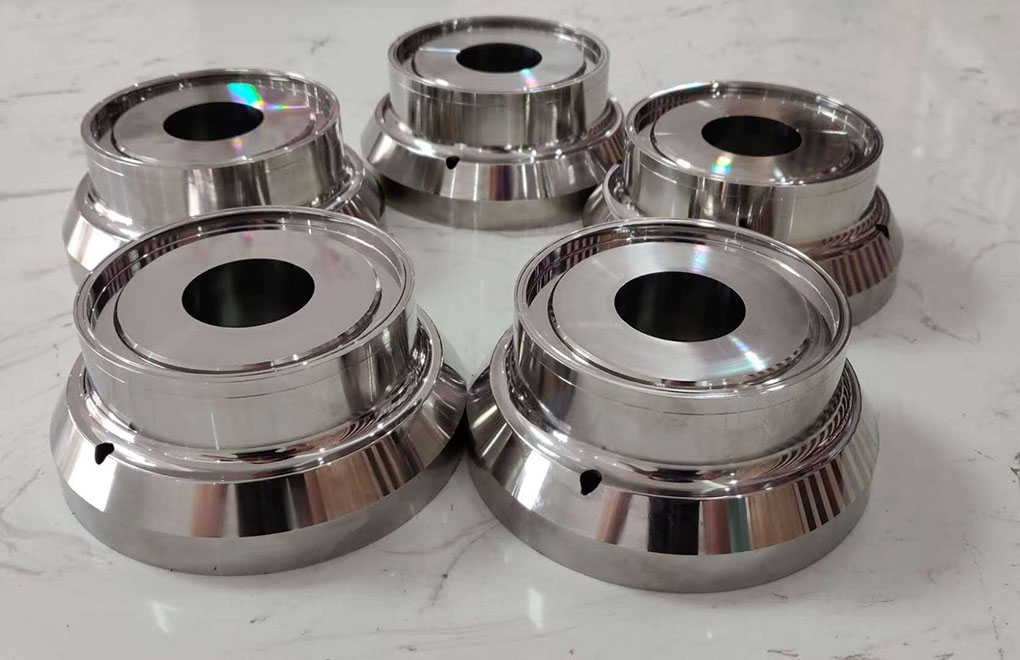
Chromium plating is one of the most popular finishing methods in modern manufacturing. When you see a shiny part on a motorcycle, a strong layer inside a hydraulic cylinder, or a rust-free machine component, there is a good chance it is coated with chrome. Chromium plating gives metal parts a bright look, better corrosion resistance, and longer working life.
But chrome plating only works well when the coating is uniform. If the chromium layer is too thick in one area and too thin in another, problems can happen. These may include peeling, cracking, rough texture, pitting, and weak protection against corrosion. That is why factories use many smart techniques to keep chromium plating consistent.
This article explains what chromium plating is, the main types of chrome plating, the challenges that create uneven finishes, and the top techniques professionals use to achieve reliable, uniform chromium plating. We will also introduce SYM Machining, a trusted supplier for precision components that need high-quality chrome plating services.
What is Chromium Plating?
Chromium plating is a process where a thin layer of chromium metal is added onto the surface of a part using electroplating. In electroplating, the part is placed into a chemical plating bath and connected to electric power. Chromium ions stick to the part and slowly build a coating.
The chromium layer offers many benefits:
- A bright and decorative appearance
- Great corrosion resistance
- Improved wear resistance
- Higher hardness for longer life
- Resistance to chemicals and heat
Because of these advantages, chrome plating is widely used in automotive, aerospace, construction equipment, medical instruments, and industrial machinery.
Types of Chromium Plating
There are two main types of chrome plating used in industries today:
1. Decorative Chromium Plating
Decorative chrome is usually thin, often only 0.1 to 0.5 micrometers. It is mainly used to improve appearance and protect from light corrosion. It is common in:
- Car and motorcycle parts
- Bathroom and kitchen hardware
- Furniture and household products
Decorative chrome is often done on top of a nickel plating layer, which provides most of the corrosion protection.
2. Hard (Industrial) Chromium Plating
Hard chrome is thicker and focuses on performance, not appearance. It improves wear resistance and helps parts survive heavy use. Thickness can be 10 to 500 micrometers, depending on the job.
It is used on:
- Hydraulic piston rods
- Molds and dies
- Industrial machinery parts
- Engine components
- Heavy-duty tools
Hard chrome helps extend service life and maintain precision in high-friction environments.
Why Uniform Chromium Plating Matters
A consistent chromium layer ensures:
- The surface stays smooth
- The part resists wear evenly
- No weak zones that fail early
- Better corrosion protection
- A professional finish that looks high quality
If the layer is uneven, problems appear:
| Issue | Cause | Result |
| Poor adhesion | Uneven current flow | Peeling and flaking |
| Burning (rough surface) | Too much current at edges | Reduced lifespan |
| Thin plating | Low current density in recesses | Rust and wear |
| Cracking | Stress from thick buildup | Performance failure |
Uniformity is not only about appearances. It affects safety, reliability, and cost.
What Causes Non-Uniform Chromium Plating?
There are several common causes:
- Part shape
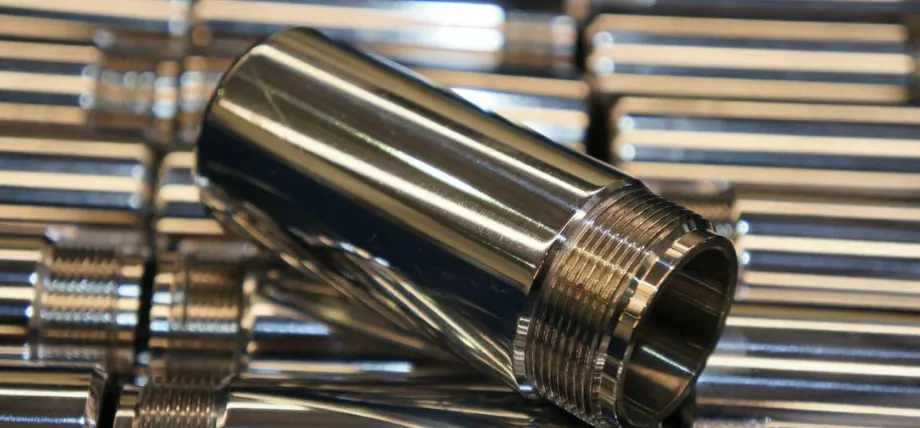
Complex shapes like corners, deep holes, and threads make the plating uneven. Edges receive more coating than flat or recessed areas. - Improper fixturing
If the part is not held correctly in the solution, current cannot reach all areas equally. - Poor solution chemistry
Chromium bath ingredients must be balanced. If not, plating will not deposit smoothly. - Wrong current density
Electric current determines how fast chrome deposits. Uneven current equals uneven thickness. - Contamination
Dirt, oils, and old particles interrupt proper plating and create surface defects. - Poor surface preparation
Rough or dirty surfaces prevent coating from bonding correctly.
To avoid these problems, plating technicians use many advanced techniques.
Key Techniques for Ensuring Uniform
Below are the most effective strategies used by experts today.
1. Optimize Part Design for Plating
Sometimes engineers can change the design slightly:
- Smooth sharp corners
- Avoid deep blind holes
- Provide drainage and electrical contact points
- Early planning improves uniformity and reduces cost.
2. Proper Surface Preparation
Cleaning steps include:
- Degreasing (removing oils)
- Pickling (removing rust or oxides)
- Mechanical polishing or buffing
A clean, smooth surface ensures strong adhesion and even coating.
3. Controlled Fixturing and Positioning
The part must be placed correctly in the plating bath:
- Ensure equal exposure to the solution
- Maintain firm electrical contact
- Rotate parts for more uniform coverage when needed
Good fixturing leads to stable current distribution.
4. Current Density Management
Technicians carefully control:
- Voltage and current level
- Plating time
Slow and steady electrical current helps avoid burning on edges and improves thickness in low-current areas.
5. Use of Shields and Auxiliary Anodes
These tools help improve plating in difficult areas:
- Shields reduce current on edges
- Auxiliary anodes add current inside deep or hard-to-reach places
This balances the plating thickness across the part.
6. Solution Composition Control
Important factors:
- Chromium concentration
- Temperature of the bath
- Additives (wetting agents, catalysts)
Regular testing keeps the chemical balance stable.
7. Agitation and Filtration
Moving the plating solution during the process helps:
- Speed up ion transport
- Avoid gas bubbles sticking to the part
- Prevent contamination buildup
Clean and active solution produces a smoother finish.
8. Precision Measurement and Quality Inspection
Inspection methods include:
- Quality control for the dimensions before plating
- Ultrasonic thickness testing
- Micrometer or profilometer checks
- Cross-section analysis when needed
Inspection guarantees every part meets the required standard.
Decorative vs. Hard Chrome Thickness: What Is Considered Uniform?
Below is a simple guide:
| Type of Chrome | Typical Thickness | Uniformity Goal |
| Decorative Chromium | 0.1 – 0.5 µm | Smooth look, no thin spots |
| Hard Chromium | 10 – 500 µm | Performance consistency across wear surfaces |
Hard chrome requires much stricter control because thickness directly affects durability.
Applications Where Consistent Chrome Plating Is Critical
- Aerospace landing gear components
- Automotive shock absorber rods
- Oil and gas drilling tools
- Hydraulic cylinders and pistons
- Precision molds for manufacturing
- Medical instruments with low friction requirements
In these industries, failure of a chrome layer could lead to equipment damage or safety risks.
Advanced Technology Boosting Uniform Chrome Plating
Modern plating shops use:
- Computer-controlled power supplies for stable current
- 3D simulation software to predict electroplating behavior
- Automated cleaning and surface preparation
- Robotics for fixturing and rotation
- Inline inspection for fast quality checks
These technologies ensure repeatable results across large production runs.
Partner with Experts: Chromium Plating from SYM Machining
To achieve high-performance chromium finishes, it is important to work with a supplier that understands both precision machining and surface finishing.
SYM Machining is a professional manufacturer specializing in CNC machining, surface treatments, and industrial coating services. When customers require consistent chromium plating, SYM provides:
- Expert engineering support on part design for plating
- Careful process control for uniform thickness
- High-precision machining to ensure final tolerance
- Quality inspection for every batch
- On-time delivery for global customers
Whether you need decorative chrome for product appearance or hard chrome for heavy-duty performance, SYM Machining can provide reliable solutions that help your parts last longer and perform better.
learn more the specification Surface finish for machined parts.
Conclusion
Uniform chromium plating is not just about making parts shiny. It is a crucial engineering requirement that improves durability, corrosion resistance, safety, and product quality. Uneven plating can lead to early failure, higher maintenance, and customer dissatisfaction.
To ensure consistent chrome plating, manufacturers follow best practices such as:
- Smart part design
- Clean surface preparation
- Carefully managed electrical current and chemistry
- Use of shields and auxiliary anodes for complex shapes
- Advanced inspection for quality control
With proper techniques and experienced partners like SYM Machining, industries can achieve the strong, even, and reliable chromium coatings needed for success.
If you are searching for a trusted supplier for CNC machining and high-precision chrome plating services, SYM Machining is ready to help support your next project with professional experience and high-quality results.
Related articles:
What is Nickel Plating? Essential Guide