Bead blasting for precision machined parts. In precision manufacturing, surface finish is not just about appearance. It directly affects corrosion resistance, fatigue strength, coating adhesion, and overall product quality. For industries ranging from automotive and aerospace to medical devices and consumer electronics, achieving a uniform and controlled finish is essential.
One of the most versatile and cost-effective finishing techniques is bead blasting. When properly executed, bead blasting delivers a clean, consistent, satin-like surface that enhances both aesthetics and performance. In this article, we will explore what bead blasting is, how it works, key process parameters, common materials, and how to achieve the perfect surface finish for your CNC machined components.
What Is Bead Blasting?
Bead blasting is a surface finishing process that propels small spherical media—typically glass beads—at high velocity onto a material surface. Unlike aggressive abrasive blasting, bead blasting is designed to clean, smooth, and create a uniform matte texture without significantly removing base material.
The spherical shape of the beads is critical. Instead of cutting into the material, the beads peen the surface. This controlled impact:
- Removes burrs and minor machining marks
- Eliminates oxidation and surface contaminants
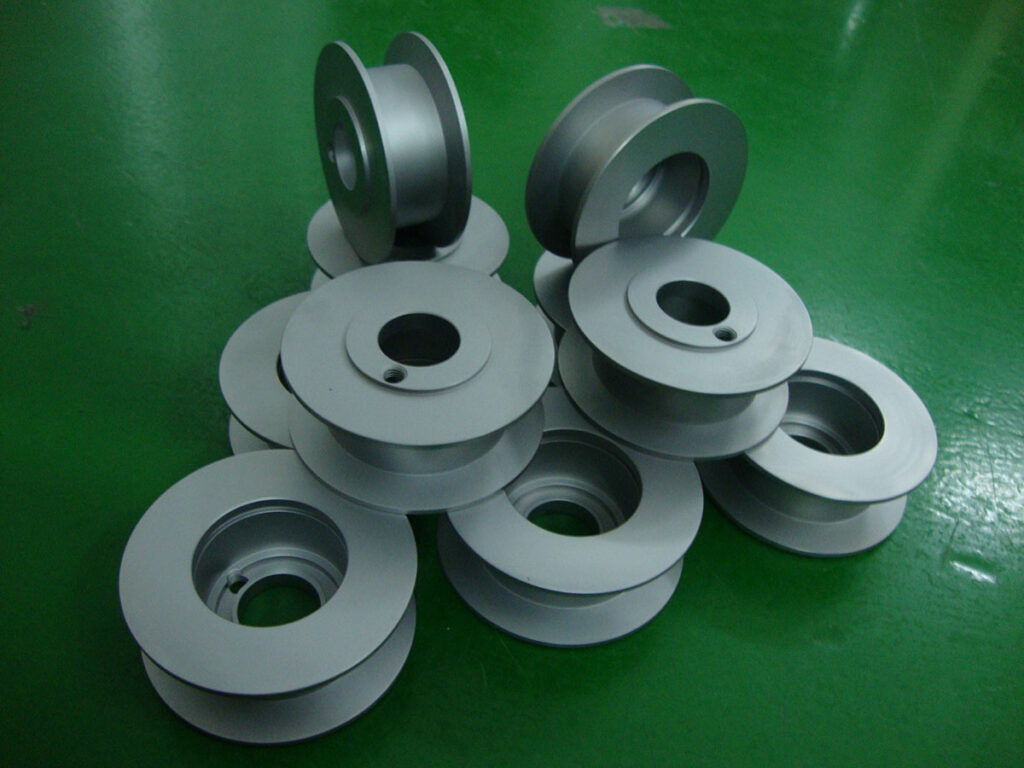
- Produces a uniform satin or matte finish
- Improves coating and anodizing adhesion
Bead blasting is widely used on CNC machined aluminum parts, stainless steel components, titanium hardware, and even certain plastics. It is particularly popular in applications where visual appeal and tactile feel are important.
How Bead Blasting Works
The bead blasting process involves three primary components: compressed air, blasting media, and a controlled enclosure (blast cabinet or blasting room).
Compressed air accelerates the beads through a nozzle. When the beads impact the surface, they transfer kinetic energy, slightly deforming microscopic peaks and valleys on the material. This action smooths the surface without deeply eroding it.
Unlike sandblasting, which uses angular media to aggressively remove material, bead blasting relies on round beads that produce a peening effect. This distinction is essential in precision manufacturing because it allows:
- Minimal dimensional change
- Better control of surface roughness (Ra)
- Reduced risk of sharp surface damage
In CNC machining workflows, bead blasting is typically performed after machining and before final treatments such as anodizing, powder coating, or laser marking.
Why Surface Finish Matters in CNC Machining
Surface finish directly influences mechanical performance and visual quality. Even a precisely machined component can appear inferior if the surface shows visible tool marks, inconsistent texture, or discoloration.
From an engineering standpoint, surface finish affects:
Fatigue resistance. Rough surfaces concentrate stress, which can lead to crack initiation. A properly bead-blasted surface reduces stress risers.
Coating adhesion. Uniform micro-texture improves bonding of anodized layers and paint systems.
Corrosion resistance. Removing contaminants and oxidation improves long-term durability.
Customer perception. In consumer products and visible assemblies, matte finishes convey high-end quality and precision.
For manufacturers focused on brand reputation and performance standards, bead blasting becomes a strategic finishing step rather than a cosmetic afterthought.
Key Parameters for Achieving the Perfect Finish
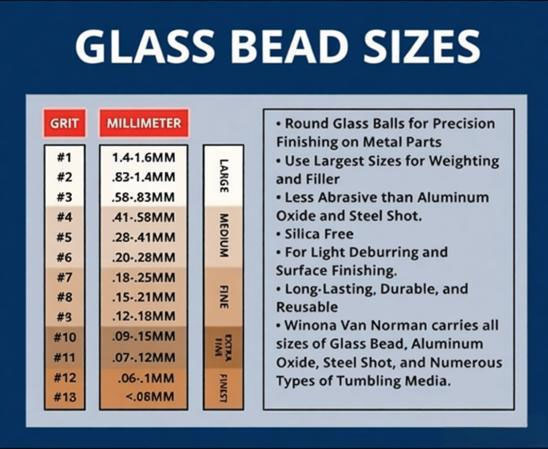
Media Type and Size
Glass beads are the most common media for precision finishing. They are available in different mesh sizes. Finer beads produce smoother surfaces, while larger beads create a more textured finish.
For example:
- Fine beads: smoother, cosmetic-grade finish
- Medium beads: standard matte industrial finish
- Coarse beads: heavier texture
Selecting the correct bead size depends on the desired surface roughness (Ra) and functional requirements.
Air Pressure
Pressure directly influences impact energy. Higher pressure increases surface deformation and texture depth. However, excessive pressure can distort thin parts or alter dimensions.
Typical bead blasting pressures range between 40–80 PSI, depending on material hardness and geometry. Precision components often require carefully calibrated lower pressures.
Nozzle Distance and Angle
The angle of impact affects finish uniformity. A 90-degree angle provides more direct peening, while angled blasting creates a softer effect. Consistent distance between nozzle and part ensures even texture.
Exposure Time
Longer blasting increases texture depth. However, overexposure may lead to uneven appearance or unwanted material stress. Experienced operators follow standardized cycles to maintain repeatability.
Materials Suitable for Bead Blasting
Bead blasting is compatible with a wide range of materials, but each behaves differently under impact.
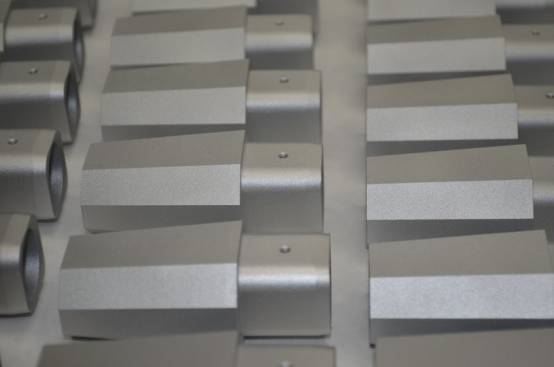
Aluminum
Aluminum is one of the most commonly bead-blasted materials. It responds well to glass beads, producing a uniform matte surface ideal for anodizing. Many consumer electronics and industrial housings rely on bead-blasted aluminum for their premium look.
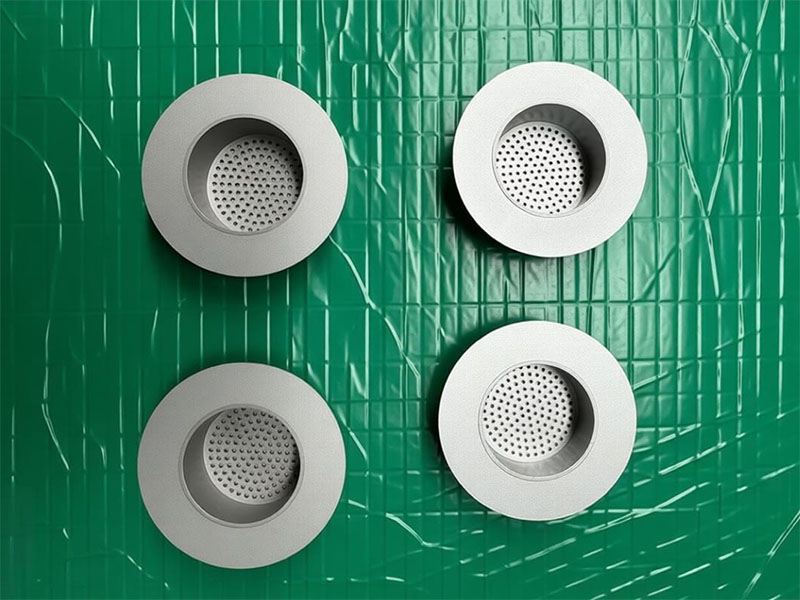
Stainless Steel
Bead blasting stainless steel removes machining discoloration and produces a consistent satin finish. It is widely used in medical, food processing, and architectural applications.
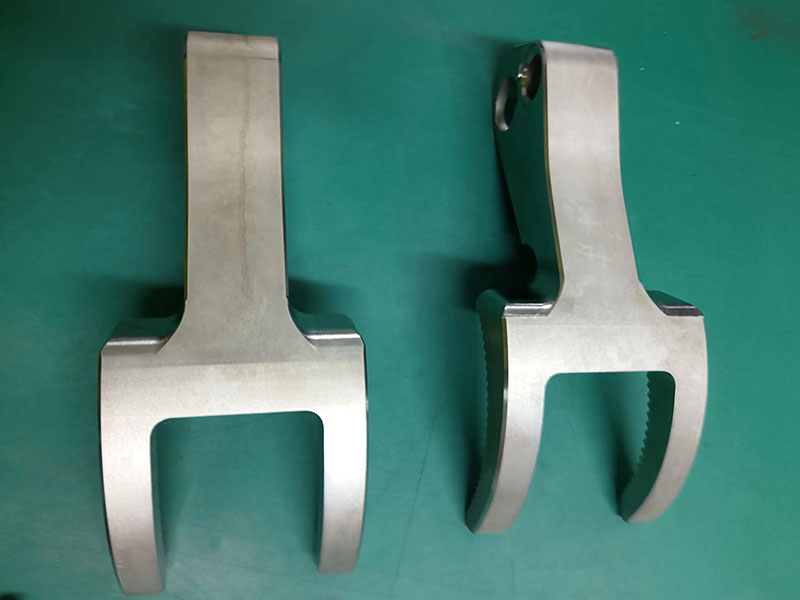
Titanium
Titanium components benefit from bead blasting before passivation or coating. The process improves aesthetics and surface consistency.
Hardened Steel
Although bead blasting can be used on hardened steels, pressure must be controlled carefully to avoid surface micro-cracking.
Plastics
Certain engineering plastics can be bead blasted for texture enhancement. However, lower pressure and specialized media are required.
Bead Blasting vs. Other Surface Finishing Methods
Understanding how bead blasting compares with alternative methods helps determine the right finishing strategy.
Sandblasting is more aggressive and used for heavy material removal. It creates rougher surfaces and is unsuitable for precision cosmetic finishes.
Shot peening strengthens parts by inducing compressive stress but is not focused on aesthetic surface improvement.
Polishing produces smooth, reflective surfaces but is labor-intensive and not ideal when a matte texture is desired.
Chemical etching modifies surface texture without mechanical impact but involves chemical handling and environmental considerations.
Bead blasting offers an optimal balance: controlled texture, minimal dimensional impact, and strong aesthetic appeal.
Common Challenges in Bead Blasting
Despite its advantages, bead blasting can produce inconsistent results if not managed correctly.
Uneven texture. Caused by inconsistent pressure or irregular nozzle movement.
Media contamination. Reused media may contain debris that scratches surfaces.
Dimensional changes. Excessive pressure or prolonged blasting can affect tight-tolerance parts.
Shadowing effects. Complex geometries may prevent uniform coverage in deep cavities.
To mitigate these risks, manufacturers must implement strict quality control procedures and experienced process management.
Integrating Bead Blasting into CNC Machining Workflows
For companies specializing in CNC machining, bead blasting should not be treated as an isolated step. Instead, it should be integrated into a complete production workflow.
The sequence typically follows:
- CNC machining to final tolerances
- Deburring and cleaning
- Controlled bead blasting
- Secondary treatments (anodizing, coating, laser marking)
- Final inspection
Coordination between machining and finishing teams ensures that tolerances are maintained and visual standards are achieved.
At professional machining facilities, surface roughness is measured after blasting to verify compliance with design requirements. This level of control is critical for industries with strict quality standards.
How to Achieve the Perfect Surface Finish
Achieving perfection in bead blasting requires a combination of engineering understanding and practical expertise.
Start by defining the required surface roughness and aesthetic standard. Choose the appropriate media size and maintain clean, uncontaminated blasting material. Calibrate air pressure based on material hardness and part geometry. Ensure uniform operator technique or automated blasting systems for consistency.
Most importantly, collaborate with a machining partner that understands how bead blasting interacts with tolerances and downstream processes.
Surface finish is not an afterthought—it is a technical specification that we must control.
Why Choose a Professional CNC Machining Partner
Surface finishing quality depends heavily on process control, operator expertise, and production experience. Inconsistent blasting can compromise appearance, reduce coating adhesion, or even affect mechanical properties.
Working with an experienced CNC machining company ensures:
- Integrated machining and finishing expertise
- Tight tolerance management
- Controlled blasting environments
- Reliable repeatability for mass production
- Complete quality inspection before shipment
A professional partner will understand how bead blasting fits into the entire manufacturing lifecycle, from raw material to final product delivery.
Conclusion: Precision Surface Finishing Starts with the Right Expertise
Bead blasting remains one of the most effective techniques for achieving a uniform, high-quality surface finish on CNC machined parts. When executed correctly, it enhances aesthetics, improves coating adhesion, and maintains dimensional integrity.
However, achieving consistent, professional-grade results requires more than basic equipment. It demands engineering knowledge, controlled processes, and deep experience in precision manufacturing.
If you are developing a new product or improving an existing component, surface finish should never be overlooked. The right finishing process can elevate your part from functional to exceptional.
Looking for reliable bead blasting and precision CNC machining services?
At SYM Machining, we combine advanced CNC capabilities with controlled surface finishing processes to deliver components that meet strict tolerance and appearance standards. Whether you need small-batch prototyping or high-volume production, our experienced engineering team ensures consistent, high-quality results.
Contact SYM Machining today to discuss your project and discover how professional surface finishing can enhance your product performance and brand image.