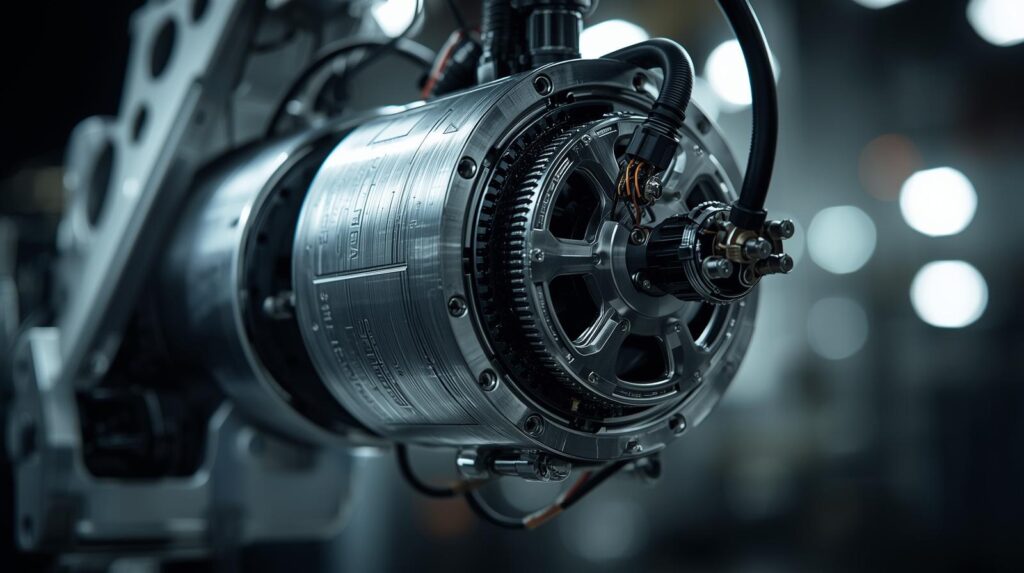
Robotics is shaping the future of industries. From automated factories to service robots in hospitals, actuators play a central role in how robots move, lift, and perform tasks. One of the most important parts inside an actuator is the actuator housing. This is the outer body that protects gears, motors, and other moving parts while keeping them aligned for smooth performance.
When it comes to building high-quality actuator housings, CNC machining is the method of choice. It offers tight tolerances, flexible material options, and excellent surface finishes. But sourcing CNC-machined actuator housings is not always easy. Robotics engineers, buyers, and project managers must understand tolerances, materials, and surface finishes before choosing a supplier.
This guide will break down everything you need to know about sourcing CNC-machined actuator housings and why working with a trusted manufacturer like SYM Machining can make the difference between success and costly delays.
Why Actuator Housings Matter in Robotics
Actuators are often called the “muscles” of robots. They convert energy into motion, enabling robotic arms to rotate, lift, or push with precision. The actuator housing is the protective shell that keeps everything in place.
Key functions of actuator housings include:
- Protection: Shields sensitive gears, motors, and electronics from dust, moisture, and impact.
- Support: Maintains alignment of internal components for efficient power transfer.
- Heat Management: Helps manage heat generated during operation.
- Durability: Extends the life of the actuator by resisting wear and corrosion.
Without a strong and precisely machined housing, actuators cannot perform reliably in demanding environments like factories, labs, or outdoor robotics.
Why CNC Machining is Ideal for Robotics Actuator Housings
CNC (Computer Numerical Control) machining uses computer-guided tools to cut materials into precise shapes. For actuator housings, CNC machining provides:
- Tight tolerances – Essential for keeping internal parts aligned.
- Material versatility – Metals and plastics can be used depending on the robot’s needs.
- High repeatability – Every housing is consistent, even in large production runs.
- Complex geometry – CNC machines can create intricate designs for modern robotics.
- Quality finishes – Smooth surfaces reduce friction and wear.
These advantages make CNC machining the go-to choice for actuator housing production in robotics.
Tolerances for CNC-Machined Robotics Actuator Housings
Tolerances describe how much variation is allowed in a machined part’s dimensions. In robotics, tolerances must be tight to ensure actuator performance.
Common Tolerance Ranges:
- General CNC machining: ±0.1 mm
- Precision machining: ±0.01 mm
- High-precision robotics parts: ±0.005 mm or tighter
Actuator housings often need high-precision tolerances, especially where bearings, gears, and shafts fit inside. A misaligned hole or uneven surface can lead to vibration, excess wear, or actuator failure.
Tips for Choosing Tolerances:
- Balance cost and function: Tighter tolerances cost more. Define only where they are critical.
- Work with your supplier: Discuss which areas need ultra-precision versus standard tolerance.
- Check assembly needs: The tighter the fit between housing and internal parts, the better the performance.
At SYM Machining, engineers carefully evaluate tolerance requirements with customers to ensure performance without unnecessary costs.
Materials for CNC-Machined Actuator Housings
Choosing the right material is just as important as precision. The material affects strength, weight, durability, and cost.
Common Materials for Actuator Housings
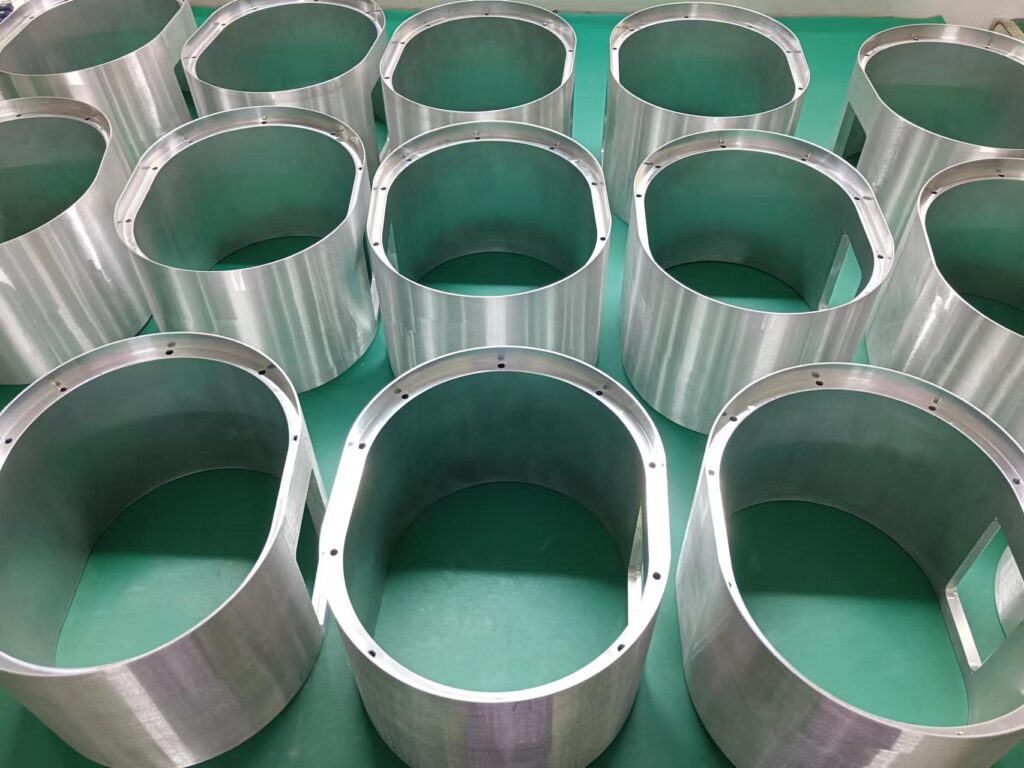
- Aluminum Alloys (6061, 7075)
- Lightweight and strong
- Excellent for heat dissipation
- Corrosion resistant
- Popular in robotics due to balance of strength and machinability
- Stainless Steel (304, 316)
- High strength and toughness
- Resistant to corrosion and harsh environments
- Heavier than aluminum
- Ideal for outdoor or heavy-duty robots
- Titanium
- Extremely strong yet lightweight
- High corrosion resistance
- More expensive and harder to machine
- Used in aerospace and advanced robotics
- Engineering Plastics (POM, Nylon, PEEK)
- Lightweight and easy to machine
- Good for low-load actuator housings
- Resistant to chemicals
- Best for cost-sensitive or low-weight designs
- Brass and Copper Alloys
- Good wear resistance
- Natural anti-bacterial properties
- Used in specialized actuator housings where electrical conductivity is needed
How to Select the Right Material
- Consider load requirements: Heavy-duty robots need steel or titanium.
- Think about weight: For mobile robots, aluminum is ideal.
- Assess environment: Use stainless steel for corrosive conditions.
- Budget matters: Balance cost and performance.
SYM Machining provides material consultation to help robotics companies pick the best option for their actuator housings.
Surface Finishes for Robotics Actuator Housings
Surface finish is not just about appearance. It impacts performance, durability, and maintenance.
Common CNC Machining Finishes
- Anodizing (Type II & Type III Hard Anodizing)
- Protects aluminum from corrosion
- Can be colored for design or function
- Hard anodizing improves wear resistance
- Powder Coating
- Strong protective layer
- Wide range of colors
- Good for outdoor robotics housings
- Polishing & Grinding
- Smooth finish reduces friction
- Important for parts in contact with seals or bearings
- Electroplating (Nickel, Chrome, Zinc)
- Adds corrosion resistance
- Improves wear strength
- Enhances appearance
- Bead Blasting
- Creates a matte, uniform surface
- Used for aesthetics and surface cleaning
- Passivation (Stainless Steel)
- Removes surface contaminants
- Improves corrosion resistance
Choosing the Right Finish
- Durability: Hard anodizing for wear-intensive robotics.
- Looks: Powder coating or bead blasting for visible housings.
- Protection: Electroplating for harsh environments.
At SYM Machining, finishing is tailored to each customer’s needs to ensure actuator housings last longer and perform better.
Key Factors When Sourcing CNC-Machined Actuator Housings
When sourcing actuator housings, buyers must balance cost, quality, and lead time.
1. Define Specifications Clearly
Provide detailed drawings with tolerances, materials, and finishes. The clearer your requirements, the fewer revisions later.
2. Choose the Right Supplier
Not all machine shops can meet robotics-grade tolerances. Partner with a precision machining expert like SYM Machining, which specializes in tight tolerances and complex parts.
3. Look for Experience in Robotics
Suppliers with experience in robotics applications understand actuator needs, saving time and avoiding mistakes.
4. Ask About Quality Control
Check if the supplier uses CMM (Coordinate Measuring Machines), ISO certifications, and inspection reports.
5. Consider Scalability
You may start with prototypes but later need volume production. Ensure your supplier can scale with your project.
Why SYM Machining is the Right Partner
SYM Machining is a trusted provider of CNC machined components for robotics and automation industries.
- Precision expertise: Capable of ±0.005 mm tolerances for high-performance robotics housings.
- Material flexibility: Aluminum, steel, titanium, plastics, and more.
- Custom finishes: Wide range of protective and cosmetic options.
- Full support: From prototype to mass production.
- Global delivery: Fast lead times with reliable logistics.
Robotics companies choose SYM Machining for their actuator housing needs because we combine technical expertise with customer-focused service.
Conclusion
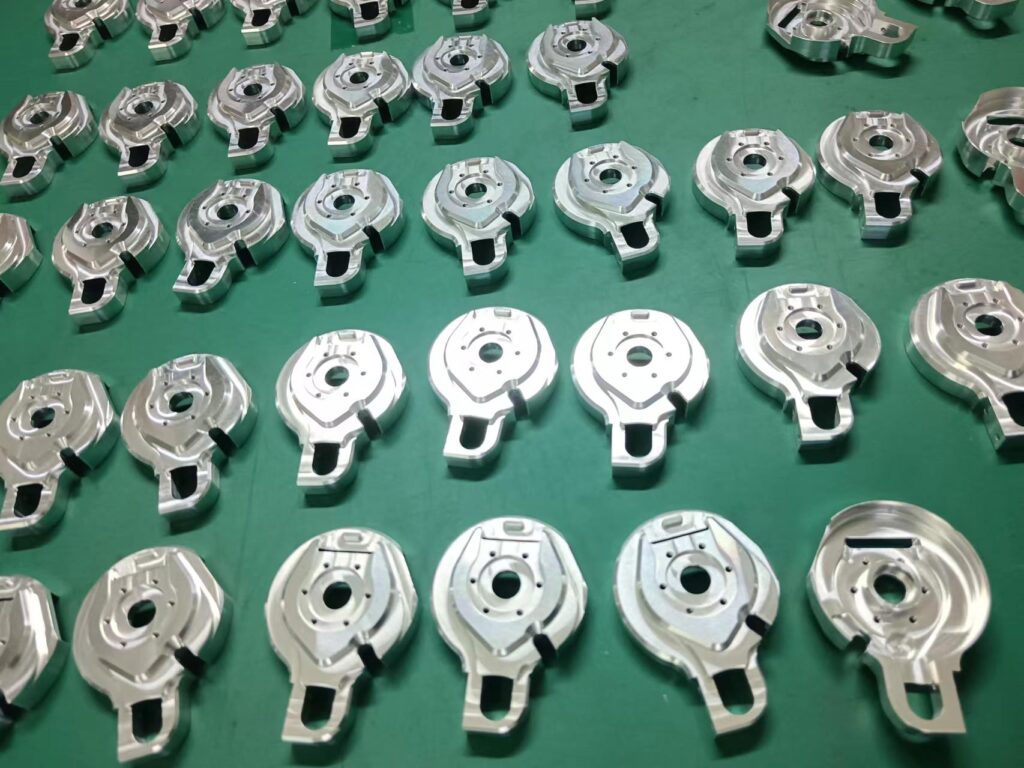
Actuator housings are critical to robotics performance. Sourcing the right CNCmachined housings requires careful attention to tolerances, material selection, and surface finishes. By understanding these key factors, robotics engineers and buyers can ensure their actuators perform reliably in any environment.
Working with an experienced supplier like SYM Machining ensures precision, durability, and cost-effectiveness. Whether you are building robotic arms, mobile robots, or automated systems, CNCmachined actuator housings are the foundation of reliable performance.
SYM Machining is ready to be your partner in creating the future of robotics with world-class actuator housing solutions.
Related articles:
Custom High Quality Precision Machined Parts: A Guide to Superior Engineering
High-Quality Prototype Machined Parts | Precision CNC Prototyping Services