When companies sourcing machining parts, they often focus only on lowering the price. But cutting price alone does not always save money. Real cost reduction means buying smarter, not just cheaper. For a machining company like SYM Machining, finding the right ways to optimize procurement can make the business stronger, faster, and more profitable.
In this article, you will learn why cost reduction goes beyond price cuts and how to use a smart checklist to improve your machining parts procurement process.
What Is Cost Reduction?
Cost reduction means lowering the amount of money a company spends on goods or services. In procurement, it means spending less while still maintaining quality, speed, and reliability.
However, true cost reduction is not just about paying a lower price. It includes cutting waste, improving quality, increasing efficiency, and making processes stronger. When procurement works better, the whole company gains.
Why Price Cuts Alone Are Not Enough?
Many businesses think cost reduction means asking suppliers for lower prices. But this idea has limits.
Price cuts might help in the short term. But if the parts are poor in quality, if deliveries are late, or if extra work is needed to fix problems, costs will rise. Other issues can include:
- Higher defect rates
- Increased rework or scrap
- Disruption of production
- Damage to customer reputation
These issues can cost more than the savings from a lower price. That is why cost reduction must be wider than price alone.
The True Cost of Machining Parts procurement
To optimize procurement, we first need to understand what the “true cost” is. True cost includes more than price.
When procurement teams look at all these factors, they can make better decisions that reduce total cost, not just the price tag. It includes:
A. Purchase Price: Just the Starting Point
The purchase price is the initial invoice amount, but focusing on it alone is risky. A lower price can hide major problems, like poor quality or unstable supply, which create expensive delays and rework later. True cost analysis uses this price as a baseline but questions its validity.
Is it fair for the materials and precision required? Will it stay stable, or spike after a trial period? The goal is a transparent, sustainable price that reflects real value and supports a reliable partnership, preventing hidden costs from eroding short-term savings. Securing the cheapest part often means buying future headaches.
B. Quality Costs: The Expensive Aftermath
Quality costs are the heavy penalties paid for defective parts. They begin internally with expenses for inspection, rework labor, machine downtime, and scrapped materials. The costs explode if a bad part reaches your customer, leading to returns, warranty claims, and lasting damage to your reputation.
A supplier with a slightly lower price but high defect rates can cripple your production line. Smart procurement evaluates a supplier’s systemic quality—their process controls and proven performance—not just their quoted price. Paying more for guaranteed, consistent quality from a certified supplier is almost always cheaper overall, ensuring smooth production and protecting your brand.
C. Inventory Costs: Capital Sitting Idle
Inventory is frozen cash. It incurs direct costs for storage, insurance, and handling labor. More critically, it represents lost opportunity—capital that could fund growth instead of sitting on a shelf. Excess inventory, often held as a buffer against unreliable suppliers, also risks obsolescence or damage.
Efficient procurement reduces these costs by partnering with reliable suppliers who deliver on time, enabling leaner stock levels or Just-In-Time models. The true cost of a part includes its share of these carrying costs. A cheaper part that requires you to stockpile months of supply is ultimately far more expensive than a reliably delivered one.
D. Logistics Costs: The Journey to Your Door
Logistics costs cover moving parts from supplier to production line: freight, duties, tariffs, and insurance. Unreliable logistics creates even costlier variability. Delayed shipments can halt production, forcing expensive air freight. Customs issues can trap goods at ports, incurring daily fines.
Choosing a distant supplier for a low unit price often backfires when these complex, variable costs are added. Strategic procurement always calculates the total landed cost—the price at your factory door. It also values suppliers with resilient shipping options to avoid disruptions, ensuring a steady material flow without costly surprises.
E. Process Costs: The Hidden Administrative Tax
Every purchase requires hidden internal labor: engineers clarifying specs, buyers processing orders, and teams tracking shipments and solving problems. With multiple unreliable suppliers or manual systems, these process costs skyrocket, diverting your team from strategic work.
The true cost must include this administrative burden. Streamlining—by consolidating suppliers, automating ordering, and building long-term partnerships—dramatically cuts these expenses. A slightly higher price from a supplier with a seamless, automated portal and dedicated support can yield a lower total cost by freeing your team’s time and minimizing transactional errors and hassle.
F. Risk Costs: Paying for Uncertainty
Risk costs are the potential financial impacts of supply chain failures. This includes the cost of production stoppages from a supplier’s bankruptcy, penalties for missing customer deadlines, or losses from intellectual property theft. Relying on a single-source or geopolitically risky supplier carries high hidden risk premiums.
Proactive procurement mitigates this by qualifying alternate suppliers, conducting financial health checks, and using protective contracts. The true cost of a part includes this insurance against disruption. Paying a modest premium for a diversified, resilient, and accountable supply chain is far cheaper than bearing the catastrophic cost of a single major breakdown.
Key Areas to Focus On
To control the true cost of machining parts procurement, focus on these areas:
Supplier Selection: Choose suppliers based on quality, reliability, and cost—not price alone.
Supplier Relationships: Work closely with suppliers. Strong partnerships often lead to better prices, faster delivery, and improved quality.
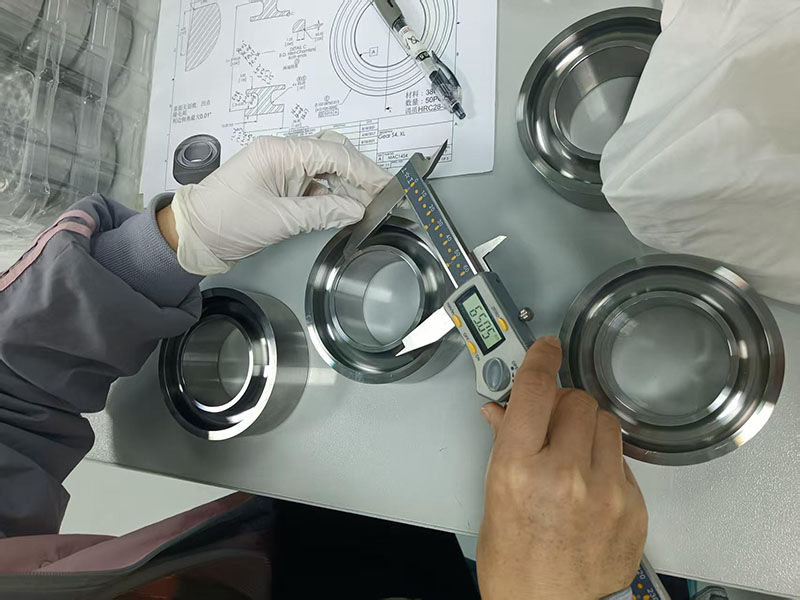
Quality Control: Check quality early and often. Use inspections, tests, and clear standards.
Process Efficiency: Simplify ordering, tracking, and communication. Use digital systems if possible.
Inventory Management: Keep the right amount of stock. Too much stock ties up money. Too little can stop production.
Risk Management: Identify risks and plan for them. Have backups if a supplier fails.
Procurement Optimization Checklist
Here is a practical checklist you can use to improve machining parts procurement at SYM Machining. This checklist helps you focus on real cost reduction instead of only price cuts.
Step 1: Understand Your Current Costs
- List all direct and indirect costs for machining parts.
- Measure defects, rework, and returns.
- Track inventory holding costs.
Goal: Know where money is spent.
Step 2: Evaluate Suppliers
- Review supplier delivery times.
- Check supplier quality reports.
- Score suppliers on performance, not price.
Goal: Choose suppliers who deliver quality on time.
Step 3: Improve Supplier Relationships
- Meet with key suppliers regularly.
- Share production forecasts with suppliers.
- Work on joint projects to reduce cost together.
Goal: Build trust and long-term cooperation.
Step 4: Define Clear Quality Standards
- Create written quality specifications.
- Use inspections or third-party testing when needed.
- Give feedback to suppliers on quality issues.
Goal: Reduce defects and rework.
Step 5: Streamline Purchasing Processes
- Use electronic purchase orders.
- Automate approval workflows.
- Track orders in real time.
Goal: Save time and reduce errors.
Step 6: Optimize Inventory Management
- Classify inventory by value and usage.
- Use minimum and maximum stock levels.
- Apply just-in-time (JIT) delivery when possible.
Goal: Reduce inventory costs while preventing shortages.
Step 7: Reduce Lead Times
- Work with suppliers to shorten production time.
- Consolidate orders when possible.
- Plan ahead using forecast data.
Goal: Keep production running without delay.
Step 8: Monitor Key Performance Indicators (KPIs)
Track these key metrics:
- Cost per part
- Supplier on-time delivery rate
- Defect rate
- Inventory turnover
- Procurement cycle time
Goal: Use real data to make better decisions.
Step 9: Plan for Risks
- Identify supply chain risks.
- Have backup suppliers ready.
- Maintain safety stock for critical parts.
Goal: Avoid production stops.
Step 10: Continuous Improvement
- Review processes regularly.
- Ask for feedback from team members.
- Benchmark against competitors.
Goal: Keep improving and lowering costs over time.
Final Thoughts
Cost reduction is more than just price cuts. True cost reduction in machining parts procurement includes quality, efficiency, reliability, and risk management.
Using the procurement optimization checklist above, SYM Machining can:
- Cut real costs
- Improve quality
- Reduce risk
- Save time
- Improve supplier performance
This approach will improve your bottom line more than price cuts alone. Cost reduction is a long-term strategy, not a short-term fix. If you buy smarter, you save better.