Looking for a reliable precision machined components supplier? Discover essential insights on quality, materials, certifications, and cost-effective solutions for every industry.
Introduction to Precision Machined Components
When it comes to building high-quality products, choosing the right precision machined components supplier is key. These suppliers provide parts that are used in industries like aerospace, automotive, medical, and electronics. Whether you’re making a surgical tool or a jet engine part, each piece must meet tight tolerances and strict quality standards.
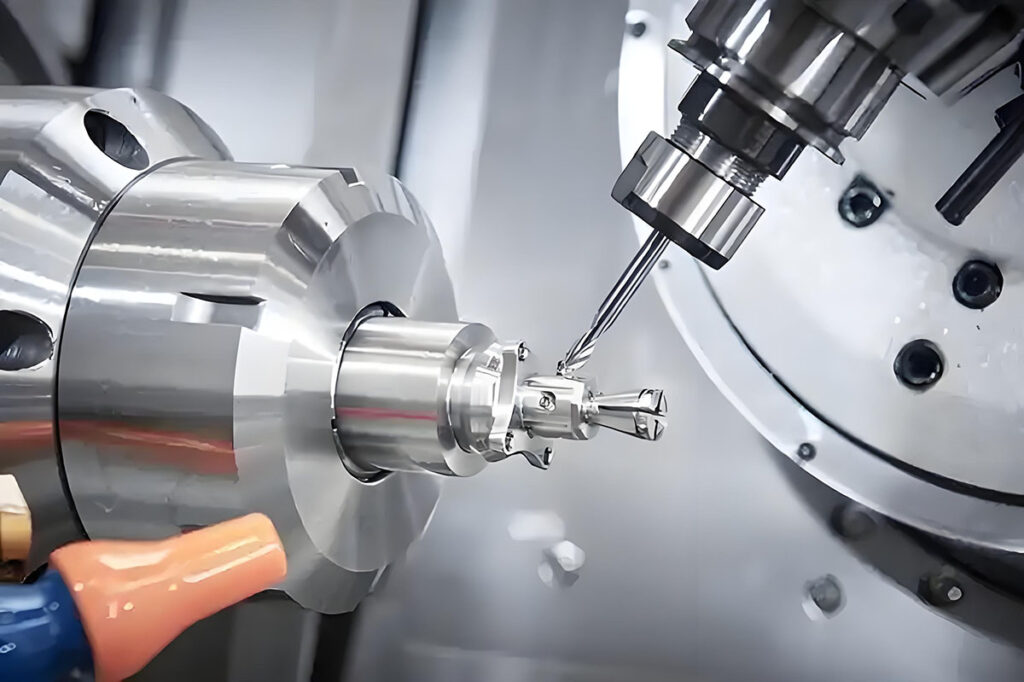
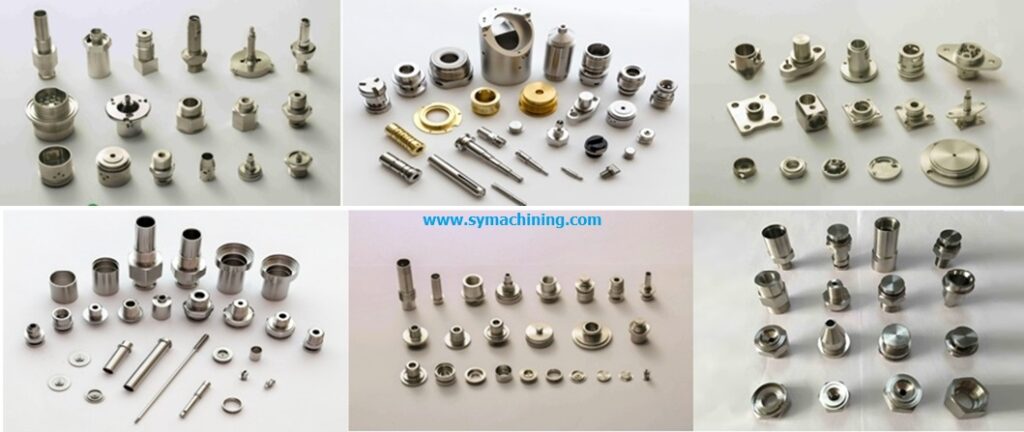
Precision machined components are typically created using advanced tools like CNC milling and CNC turning machines. These parts are shaped from raw materials such as aluminum, stainless steel, titanium, or plastics, and are made with extreme accuracy. Even a small error in measurement can lead to a failed product or safety issues.
A reliable supplier doesn’t just make parts, they also help with design advice, material selection, and timely delivery. That’s why this article walks you through everything you need to know before selecting the right supplier for your business. Whether you’re new to the industry or a seasoned procurement expert, understanding these key areas will help you make a smart, cost-effective decision.
Precision Machined Components Supplier
Choosing the right precision machined components supplier can make or break your project. These suppliers are responsible for turning your blueprints into functional, exact parts that meet tight tolerances, often within microns. But not all suppliers are created equal. The best ones have deep expertise, the right certifications, and use cutting-edge machines like 5-axis CNC mills and automated quality inspection tools.
To ensure you partner with the right supplier, look for companies that:
- Offer custom CNC machining services.
- Have experience in your industry applications.
- Maintain ISO certifications or other quality systems.
- Provide end-to-end traceability on every part.
- Support design for manufacturability (DFM).
In today’s competitive market, many buyers also search for a “precision machined components supplier near me” to cut down on shipping time and costs. But proximity alone shouldn’t be the only factor. Always prioritize capability and quality over convenience.
Best Practices in Supplier Selection
When sourcing a supplier, consider these best practices:
Check Certifications and Quality Systems
Make sure the supplier has valid certifications like:
- ISO 9001 (General Quality Management)
- AS9100 (Aerospace)
- ISO 13485 (Medical Devices)
These prove the company follows strict quality standards. For critical industries, you can’t afford shortcuts.
Evaluate Technical Capabilities
Ask what machines and software they use:
- 3-axis, 4-axis, and 5-axis CNC machines
- CAD/CAM software for fast, accurate programming
- In-house CMM inspection systems
A capable supplier should handle complex geometries and hold tight tolerances as low as ±0.005 mm.
Review Past Projects
Ask to see case studies or previous work. A supplier who’s worked with big brands or high-end applications will likely offer dependable results.
Request a Test Run or Prototype
Before placing a full order, consider a prototype run. This lets you check part quality, tolerance accuracy, and surface finish.
Range of Machining Services Offered
A top-tier supplier offers a variety of services beyond just milling or turning:
| Service Type | Capabilities |
| CNC Milling | 3-axis to 5-axis, suitable for complex, prismatic parts |
| CNC Turning | Perfect for cylindrical components with high concentricity |
| Multi-Axis Machining | Combines rotation and translation for intricate shapes |
| Swiss Machining | Ideal for small, high-precision parts |
| EDM & Grinding | For ultra-precise cuts, tight corners, and hard materials |
| Surface Finishing | Includes anodizing, polishing, bead blasting, and powder coating |
| Laser Marking & Etching | Adds part numbers, logos, or traceability codes without damaging the part |
If your part requires multiple processes, a full-service supplier saves time and reduces coordination headaches.
Material Expertise of a Precision Supplier
Material choice can impact part function, price, and machining time. An experienced supplier will help you select the right one. Here’s a comparison:
| Material | Advantages | Common Uses |
| Aluminum | Lightweight, easy to machine, corrosion-resistant | Aerospace, automotive, electronics |
| Stainless Steel | Durable, corrosion- and heat-resistant | Medical, food processing, marine |
| Titanium | Strong, lightweight, biocompatible | Aerospace, implants, high-performance |
| Brass | Low friction, easy to machine, corrosion-resistant | Valves, gears, fittings |
| Plastics (POM, PE, PTFE) | Lightweight, chemical-resistant, low-cost | Medical, electrical, lab equipment |
| Copper | High electrical and thermal conductivity | Electronics, heat exchangers |
| Carbon Steel | Strong, wear-resistant, low cost | Automotive, industrial parts |
Working with the right precision machined components supplier ensures the chosen material matches your functional and regulatory requirements.
Applications Across Key Industries
Precision machined components suppliers play a huge role in several industries. Because these parts are accurate and reliable, they are used in places where failure is not an option.
1. Aerospace
Aircraft engines, landing gear systems, and control surfaces depend on lightweight and strong components. Suppliers must meet strict standards such as AS9100, and offer precision CNC turning and 5-axis milling for parts that perform under stress and temperature extremes.
2. Medical
From surgical tools to orthopedic implants, precision is critical. A trusted supplier for the medical field is often ISO 13485 certified and can machine materials like titanium, PEEK, and stainless steel with high cleanliness standards.
3. Automotive
Gears, drive shafts, and brake components must be machined to exact specs to ensure safety and performance. Here, vertical CNC turning and high-volume production are common.
4. Electronics
Connectors, enclosures, and heat sinks need tight tolerances and materials like copper or aluminum. These parts are often small and require Swiss machining or precision milling.
5. Energy and Industrial Equipment
Oil and gas, wind turbines, and hydraulic systems all use high-strength parts machined from carbon steel or exotic alloys.
Working with a versatile supplier ensures your needs are met regardless of your industry.
Strict Quality Control Standards
Quality isn’t just a checkbox—it’s a promise. A precision machined components supplier must have a robust quality management system (QMS). This ensures each part meets the specifications and functions as designed.
Essential Quality Control Tools
- Coordinate Measuring Machines (CMMs): Check 3D part accuracy.
- Optical Comparators: Verify dimensions visually.
- Hardness and surface roughness testers.
- In-process Inspection Reports (IPIRs).
Documentation and Traceability
Every batch or serial number should have traceability for:
- Material certifications
- Heat treatment records
- Surface finishing details
Having these checks in place guarantees reliability. It also saves you time, money, and worry down the road.
Delivery Times and Logistics
Time is money. If a supplier delivers late, it can throw off your whole production schedule. That’s why you need a supplier who takes delivery seriously.
Lead Time Estimates by Process
| Process | Typical Lead Time |
| CNC Milling | 5–10 business days |
| CNC Turning | 3–7 business days |
| Prototyping | 3–5 business days |
| Complex Assemblies | 10–15 business days |
Some suppliers even offer expedited services for urgent orders. That’s useful when a product launch is on the line.
Packaging and Shipping
A professional supplier:
- Uses anti-rust and anti-static packaging
- Labels all parts by part number, quantity, and order ID
- Offers shipping tracking and customs support
Reliable delivery keeps your supply chain flowing and reduces downtime.
Collaborative Design Support
Good parts start with good designs. A top supplier doesn’t just machine what you send—they help optimize your design for cost and quality.
Design for Manufacturability (DFM)
Design engineers often submit parts that are difficult or expensive to machine. A DFM review can:
- Simplify complex geometries
- Suggest better materials
- Reduce tolerance tightness (where it’s not needed)
Common Design Advice
- Avoid sharp internal corners (hard to machine)
- Add radii where possible
- Standardize hole sizes and threads
- Combine parts to reduce assemblies
The best suppliers act like a partner, not just a vendor. They help make your part easier to machine without sacrificing function.
Cost-Effective Manufacturing Strategies
Let’s talk money. Pricing varies by part complexity, material, tolerance, and quantity. Still, a good supplier should offer transparent and fair pricing.
What Drives Cost?
| Factor | Impact on Price |
| Material type | Titanium > Aluminum > Plastics |
| Machining time | More complex = more expensive |
| Quantity | Higher volumes = lower per-part cost |
| Surface finish | Special coatings add time and cost |
| Inspection requirements | Full CMM report adds inspection cost |
If you’re looking to reduce cost:
- Use common materials like aluminum or brass
- Loosen tolerances where possible
- Batch similar parts together
- Request alternate quoting options (per part vs. per hour)
Look for suppliers that offer low-cost CNC machining services with scalable pricing based on your order volume.
How to Choose the Right Supplier
Now that you know what to look for, how do you choose?
- Are they ISO certified?
- Do they offer both CNC milling and turning?
- Can they handle your material needs?
- Do they have experience in your industry?
- What’s their average lead time?
- Can they provide prototypes quickly?
- Do they offer precision CNC turning services?
- Do they have good online reviews or testimonials?
You might also want to visit the shop or ask for a video tour. That gives you a better idea of their shop floor, equipment, and workflow.
10 Tips for Working with a Precision Machined Components Supplier
- Start with a prototype order to test quality and communication.
- Be clear about tolerances—only specify what’s truly necessary.
- Use CAD files with standard file formats like STEP or IGES.
- Request a DFM review for each new part design.
- Ask about materials in stock to speed up lead time.
- Bundle part orders to save money.
- Understand pricing models (per part vs. machine hour).
- Set clear quality expectations, including inspections.
- Build a long-term relationship for better pricing and support.
- Communicate regularly to resolve issues early.
FAQs
What industries use precision machined components?
Aerospace, medical, automotive, electronics, and energy sectors all rely on precision components for mission-critical performance.
What materials can be machined?
Suppliers work with metals like aluminum, titanium, stainless steel, and copper, as well as plastics like POM and PTFE.
What is the typical lead time for parts?
Basic parts take 3–10 business days. Complex ones can take 15–20 days.
How do I know if a supplier is qualified?
Look for ISO certifications, customer testimonials, and case studies. Ask about their inspection equipment too.
What file types should I send?
STEP, IGES, and STL are commonly accepted formats. Include detailed 2D drawings if possible.
Can suppliers help with design improvements?
Yes, many offer DFM reviews to improve manufacturability and reduce costs.
What tolerances can be achieved?
Typical tolerances range from ±0.05 mm to ±0.005 mm, depending on the machine and material.
What should I look for in a quote?
Check for material costs, machining time, finish options, lead time, and inspection reports.
Are overseas suppliers reliable?
Yes—if they’re certified and experienced. Look for detailed communication and sample approvals.
What is the advantage of long-term partnerships?
You get better pricing, faster turnaround, and dedicated engineering support.
Conclusion
Finding the right precision machined components supplier can save you time, money, and headaches. Look for a partner that offers advanced machining, solid quality control, and collaborative support. Whether you’re building a medical device, automotive part, or aerospace system, precision matters. Choose wisely and you’ll get parts that fit, function, and last.
Looking for a reliable supplier for your next machining project? SYM Precision Machining is your trusted partner for custom precision parts.