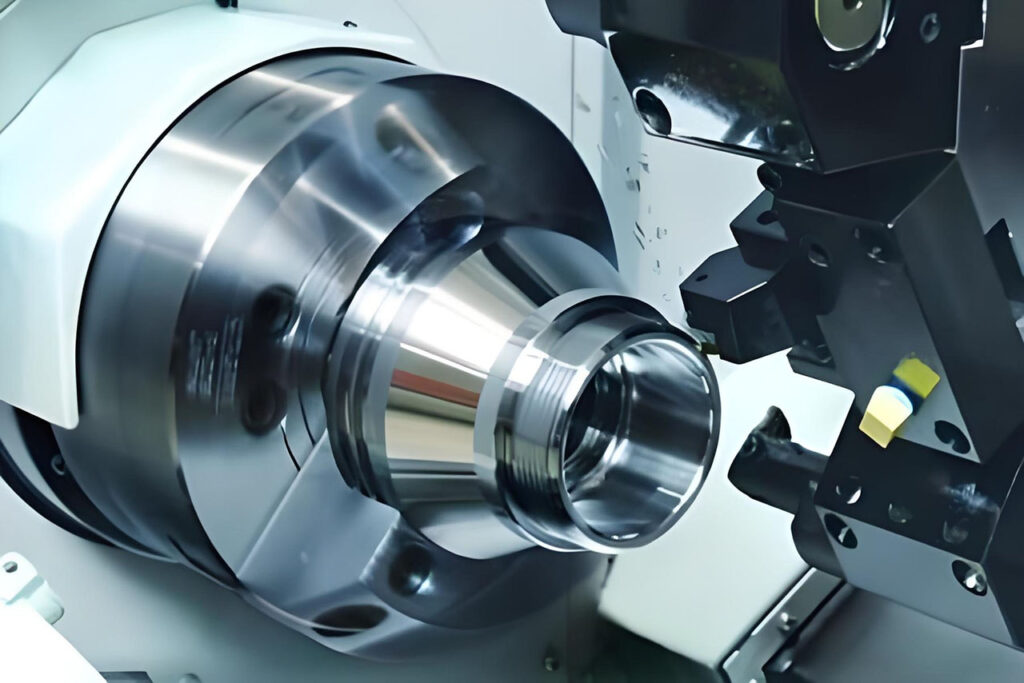
Learn everything about defense industry precision components, including design guidelines, materials, applications, challenges, standards, and future technologies. Discover technical diagrams, expert tips, and FAQs for better insights.
Precision Components Powering the Defense Industry
Modern defense systems depend on technology that is accurate, reliable, and durable. Defense industry precision components are the hidden backbone of aircraft, naval ships, armored vehicles, and missile systems. Even the smallest part can make the difference between mission success and failure.
Imagine a fighter jet turbine blade. If its shape is off by even a fraction of a millimeter, the engine may fail under stress. That is why precision manufacturing is essential in defense. These components are designed with micrometer accuracy, using materials that survive heat, corrosion, and shock.
This article explores the history, materials, applications, challenges, design guidelines, and future trends of precision components in the defense industry. It also answers to the most frequently asked questions.
Historical Evolution of Precision Components in Defense
The demand for accuracy in defense is not new. From swords to stealth jets, the story of defense has always been about precision.
- Ancient Era – Weapons like spears and swords required skilled blacksmiths. Precision was achieved by craftsmanship.
- Industrial Revolution – Cannons, rifles, and ships required standardized parts for mass armies.
- World War Era – Tanks, submarines, and aircraft pushed manufacturing into new levels of machining accuracy.
- Modern Era – Stealth jets, drones, and guided missiles depend on micro-tolerance machining and advanced alloys.
The journey from hand-forged tools to computer-controlled machining shows how central precision has always been in defense.
Core Materials Used in Defense Precision Manufacturing
Defense components face extreme stress, heat, and environmental exposure. Material selection is critical for performance and durability.
| Material | Properties | Defense Applications |
| Titanium Alloys | Lightweight, corrosion-resistant, strong | Aircraft frames, missile parts |
| Aluminum Alloys | Lightweight, machinable, resistant | Drone structures, aircraft components |
| Stainless Steel | High strength, corrosion resistance | Submarine hulls, armored vehicle parts |
| Nickel Superalloys | Heat-resistant, durable | Turbine blades, missile nozzles |
| Carbon Composites | Lightweight, stealth properties | Stealth aircraft panels, UAVs |
| Ceramic Coatings | Extreme heat resistance | Missile heat shields, jet engine tips |
Materials are chosen based on environment: titanium for aerospace, stainless steel for naval, and composites for stealth.
Manufacturing Techniques for Defense Precision Components
Precision is achieved through advanced manufacturing technologies.
- CNC Machining – Cuts complex shapes with accuracy down to ±0.005 mm.
- 5-Axis Machining – Creates complex geometries for aerospace parts.
- EDM (Electrical Discharge Machining) – Used for cooling channels in turbine blades.
- Additive Manufacturing (3D Printing) – Rapid prototyping, lightweight structures.
- Surface Finishing – Polishing, anodizing, and coatings extend durability.
- Grinding & Polishing – For micrometer-level tolerances in bearings and shafts.
Each technique is selected based on part geometry, function, and tolerance requirements.
Key Applications Across Defense Systems
Precision components are everywhere in defense:
- Aerospace Systems – Jet engines, landing gear, avionics housings.
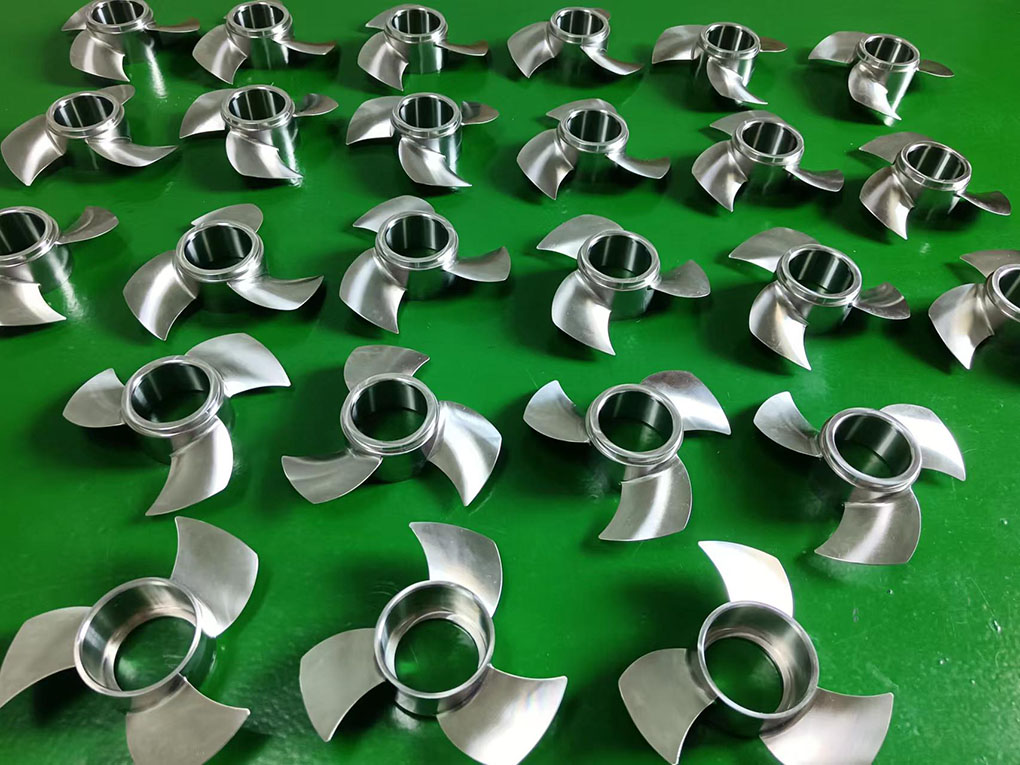
- Naval Systems – Submarine propellers, sonar housings, control valves.
- Armored Vehicles – Suspension systems, weapon mounts, gun barrels.
- Missile Systems – Guidance units, propulsion parts, heat shields.
- Communication Systems – Secure satellite connectors, antenna housings.
Without them, modern defense systems would be impossible.
Challenges in Designing Defense Precision Components
Designing for defense means overcoming multiple challenges:
- Tolerance Control – Many parts require ±0.001 mm accuracy.
- Heat Resistance – Jet engines exceed 1,000°C.
- Corrosion Resistance – Naval systems must resist seawater.
- Environmental Stress – Parts must endure vibration, dust, and shock.
- Supply Chain Security – Materials and processes must meet defense compliance rules.
Design Guidelines for Defense Industry Precision Components
Designing precision parts requires strict planning.
- Define Performance Requirements: Map stress loads, temperature ranges, lifespan, and safety margins.
- Select the Right Material: Choose based on environment: titanium for aerospace, stainless for naval, ceramics for heat.
- Apply Tolerances Wisely: Use ultra-tight tolerances only for functional areas (bearings, seals, joints).
- Design for Manufacturability (DFM): Avoid unnecessary complexity. Use fillets instead of sharp corners.
- Specify Surface Finishes Early: Example: Ra 0.8 µm for moving parts, Ra 3.2 µm for structural parts.
- Optimize Weight: Use FEA and topology optimization for lighter but stronger parts.
- Plan for Environment: Design for corrosion, heat, and vibration resistance.
- Ensure System Integration: Design for modular fit, easy assembly, and replacement in the field.
- Validate Through Testing: Plan NDT, vibration, and fatigue testing early in design.
- Follow Standards: Design always in compliance with MIL-SPEC, AS9100, ITAR.
Check more details of Design Guidelines for Defense Industry Precision Components.
Frequently Asked Questions (FAQs)
- What are defense industry precision components?
They are high-accuracy parts built to survive extreme conditions in defense systems. - Why is precision important?
Because even a 0.001 mm error can cause mission failure. - What is the common materials for defense industry?
Titanium, stainless steel, nickel alloys, aluminum, composites, ceramics. - How are they manufactured?
CNC machining, 5-axis milling, EDM, additive manufacturing, finishing. - Which systems use them?
Aerospace, naval, ground vehicles, missiles, communications. - What standards ensure quality?
ISO 9001, AS9100, MIL-SPEC, ITAR, NATO STANAG. - Can 3D printing be used?
Yes, especially for prototypes and lightweight aerospace structures. - How to ensure supplier reliability?
Check certifications, testing processes, and defense experience. - Are these parts custom-made?
Yes, almost all are designed for specific defense needs. - What is the future of defense components?
More AI, nanotech, and smart sensors for stronger, lighter, and more intelligent parts.
Conclusion
Defense industry precision components are essential for national security. They bring together advanced materials, strict quality standards, and cutting-edge technology to ensure safety and reliability. From aerospace to naval systems, every defense system depends on these small but powerful parts.
The future of defense manufacturing will be even more precise and powerful. By choosing the right suppliers and adopting emerging technologies, nations can continue to build stronger, safer, and smarter defense systems.