
Sinker vs. Wire EDM: Key Differences You Need to Know
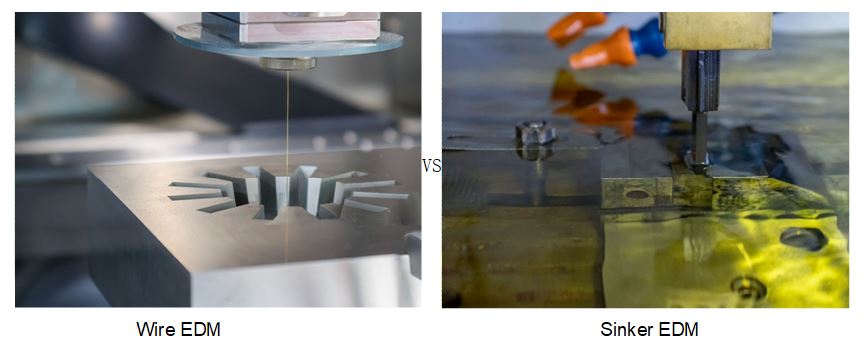
In the world of high-precision manufacturing, traditional cutting tools like mechanical drills, milling cutters, and lathes often hit a hard ceiling. When you are tasked with shaping hardened tool steels, exotic aerospace alloys, or intricate geometries that would fracture under conventional mechanical stress, you need a process that doesn’t rely on brute force. Enter Electrical […]
In-Process Inspection: Reduce Machining Costs & Prevent Defects Early
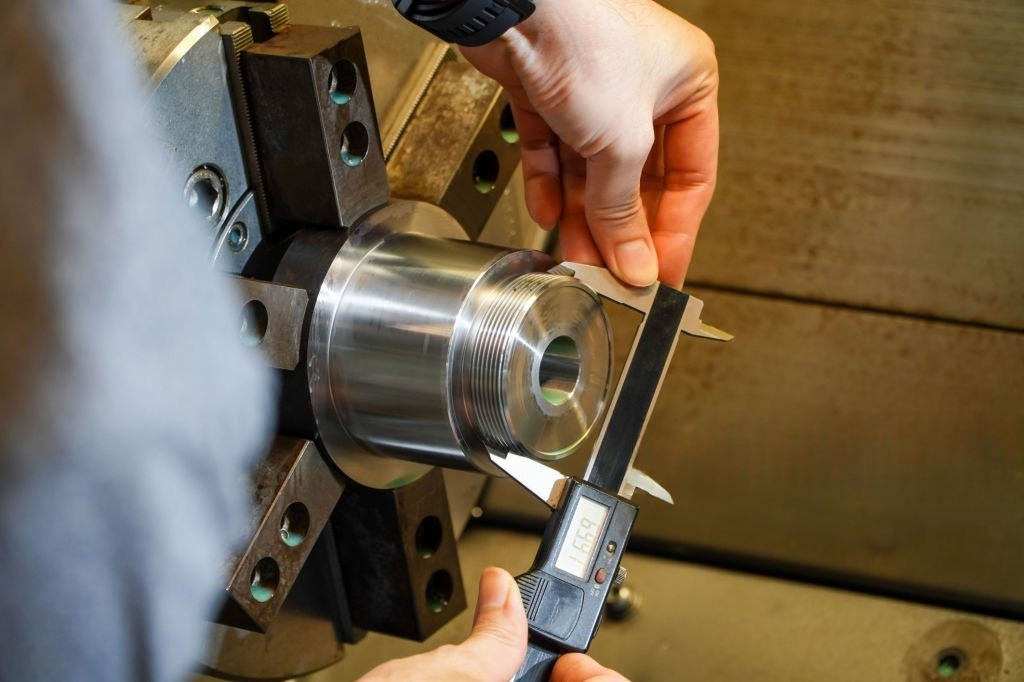
In precision manufacturing, waiting until a part finishes to check quality is a high-stakes gamble. Finding a dimensional deviation only at final inspection means the damage is already done. Raw materials become wasted, expensive machine hours disappear, and your delivery schedule suffers. Modern engineering teams can no longer rely on this reactive quality control approach. […]
CNC Machining vs. Manual Machining: 5 Reasons to Automate Now
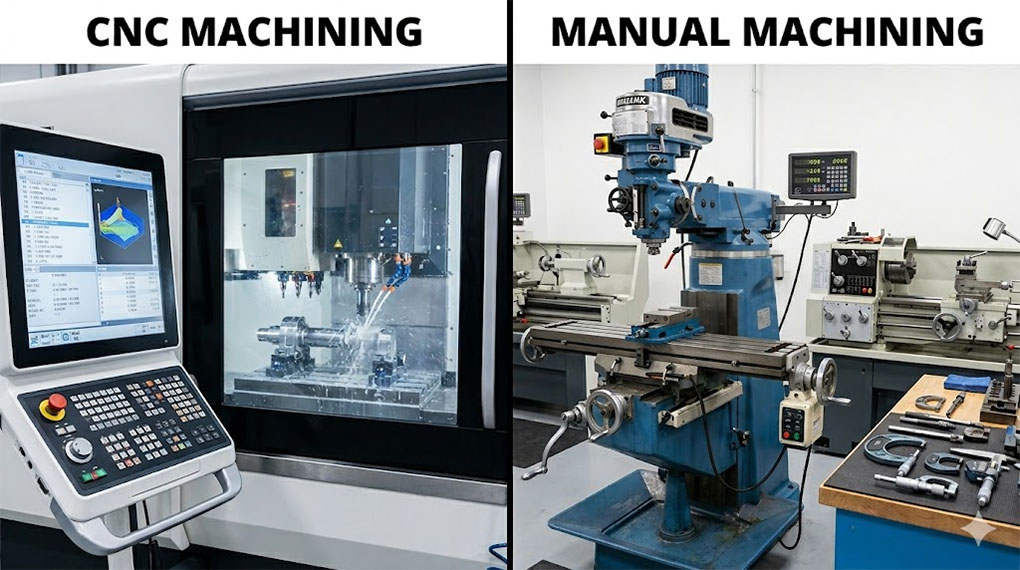
The manufacturing landscape has undergone a dramatic transformation over the last few decades, shifting from manual craftsmanship to digital, automated precision. At the heart of this evolution lies a fundamental debate that every product developer, engineer, and procurement manager faces: CNC Machining vs. Manual Machining. To begin with, turning handles and adjusting levers holds a […]
Why Precision Machining Causes Deformation
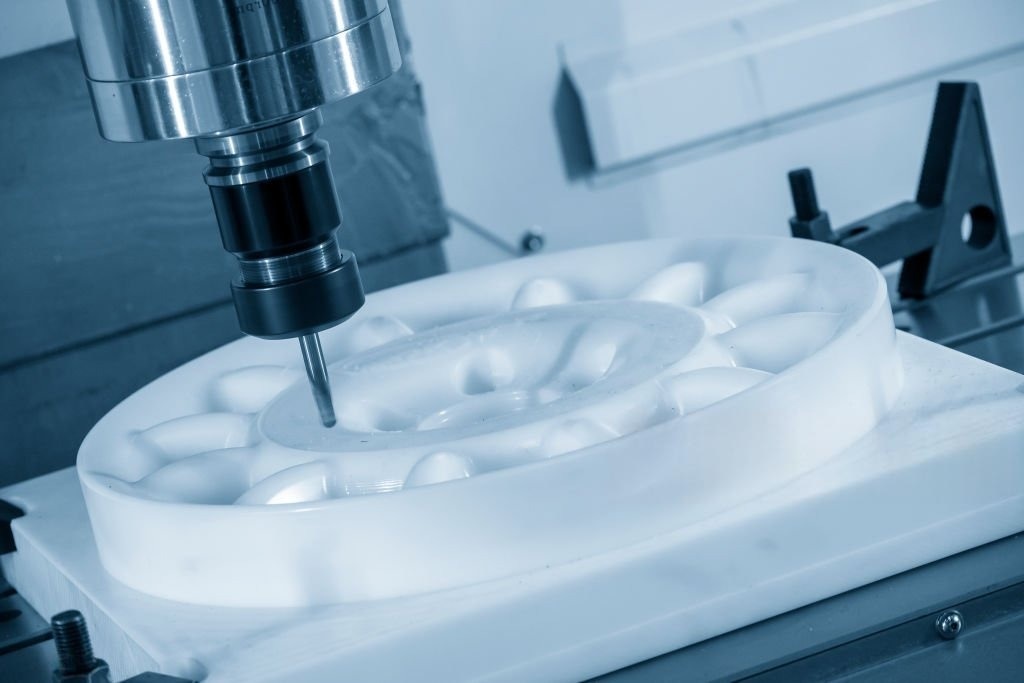
In high-end manufacturing, precision is not merely a specification; it is a promise. When engineering blueprints demand tolerances measured in microns, the margin for error completely vanishes. Yet, machinists and engineers frequently encounter a frustrating, shape-shifting adversary: structural deformation. A component can check out perfectly on a coordinate measuring machine while still clamped to the […]
Countersink VS Counterbore Holes in Machining
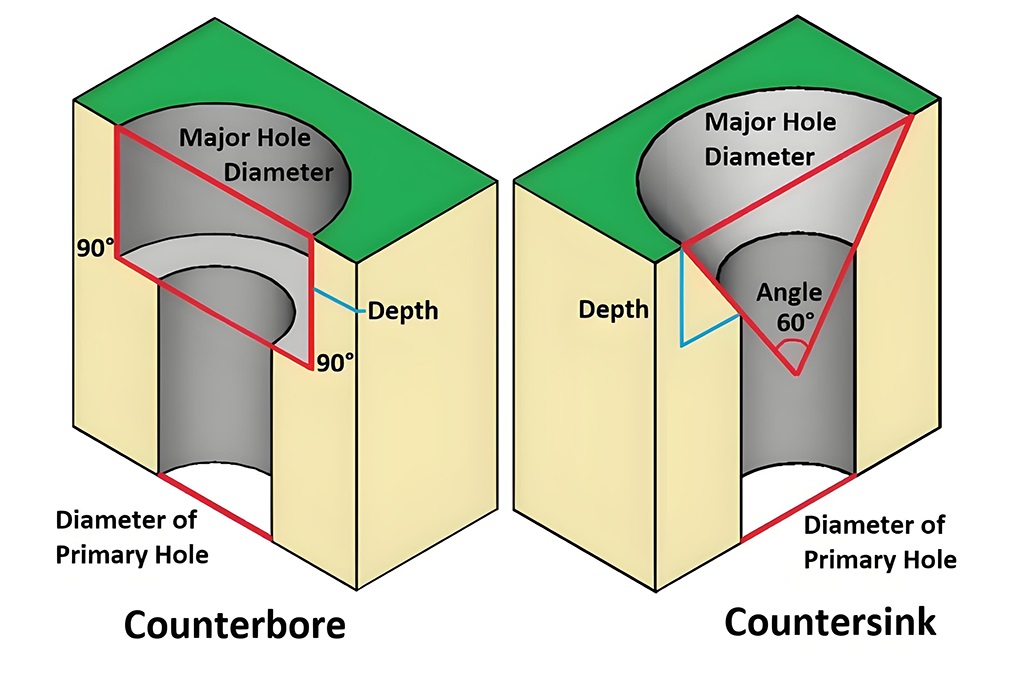
In the high-stakes world of precision manufacturing, the difference between a functional masterpiece and a structural failure often lies in the smallest geometric details. Among these details, the choice between a countersink and a counterbore is one of the most fundamental decisions an engineer or machinist will make. While both features are designed to modify […]
The Critical Role of Engineering Drawings in CNC Project Success

Why Engineering Drawings Still Control the Success of Every Manufacturing Project In modern engineering, 3D modeling and digital twins dominate the conversation. But a dangerous misconception has taken root: that engineering drawings are just a formality. Many project managers and engineers now treat engineering drawings as a “tick-the-box” exercise—documents rushed at the end of a project just to satisfy […]
How to Ensuring the Accuracy of Tungsten Carbide Parts
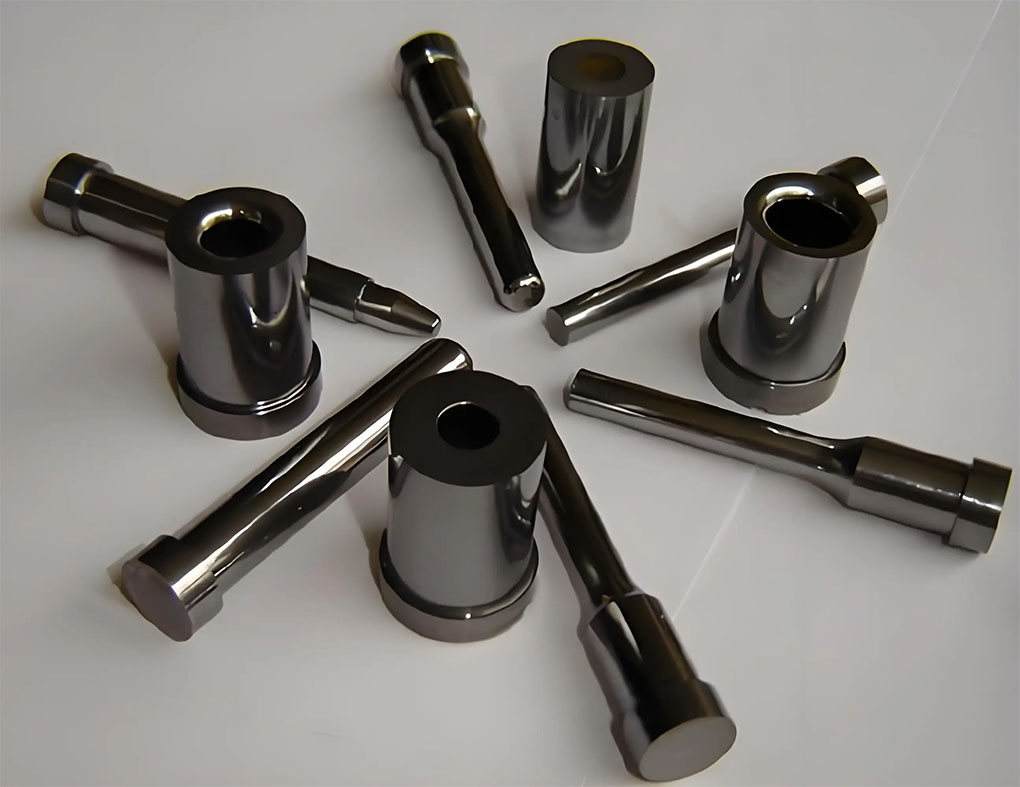
Tungsten carbide is one of the most popular materials used in various industries due to its versatility. Its hardness, corrosion resistance, and durability are some attributes that make it suitable for different applications. In the demanding world of modern manufacturing, tungsten carbide stands as a titan of industry. Known for its incredible hardness, wear resistance, […]
Enhancing Aluminum: A Guide to Alodine coating

Alodine coating, also known as chem film or chromate conversion coating, is a crucial chemical surface treatment widely applied to CNC-machined aluminum parts. This process involves immersing aluminum components in a chemical bath to produce a thin (0.5–2 µm), corrosion-resistant film that significantly enhances surface durability, electrical conductivity, and paint adhesion without altering component dimensions. Ideal […]
PEEK vs. Delrin for CNC Machining
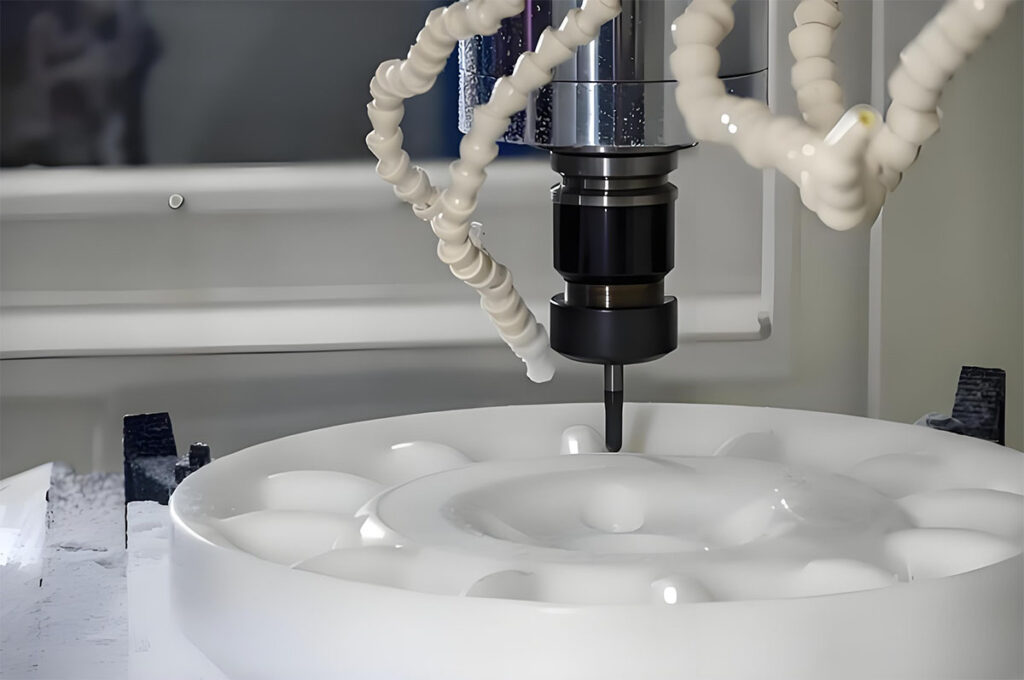
Welcome back! In Part 1, we covered the chemistry, thermal performance, chemical resistance, and raw material sourcing for PEEK machined parts and Delrin machined parts. You learned about rod sizes, sheet dimensions, tube availability, colors, and the significant price difference between these two engineering plastics. Now, in Part 2, we will focus on what happens when the raw material meets […]
PEEK CNC Machining vs. Delrin CNC Machining
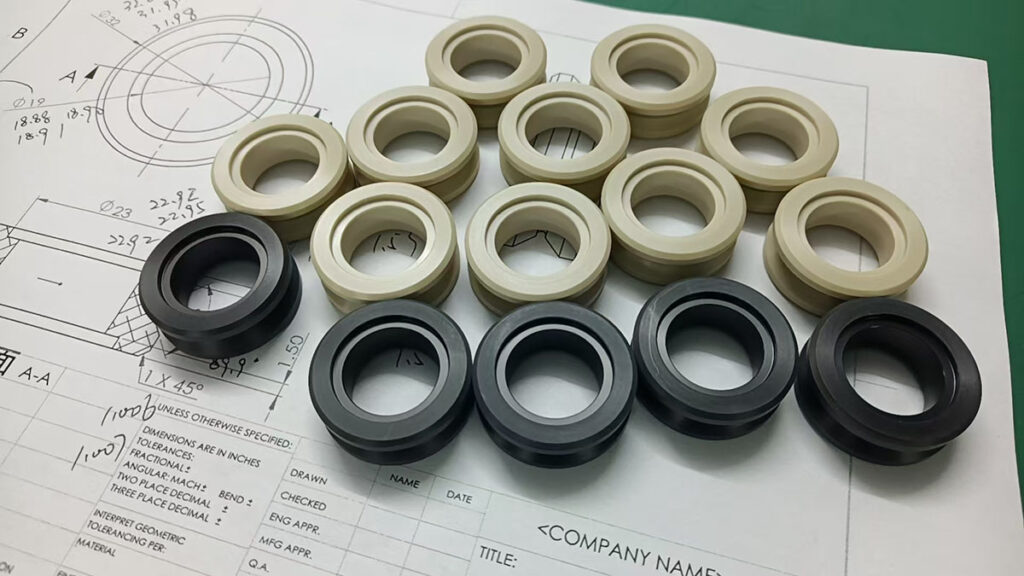
In the world of precision engineering, the choice of material is often the deciding factor between a component that performs reliably for a decade and one that fails prematurely. When it comes to plastic machining, two high-performance thermoplastics consistently dominate the conversation: PEEK (Polyetheretherketone) and Delrin (Acetal). At first glance, these engineering plastics might seem interchangeable. […]