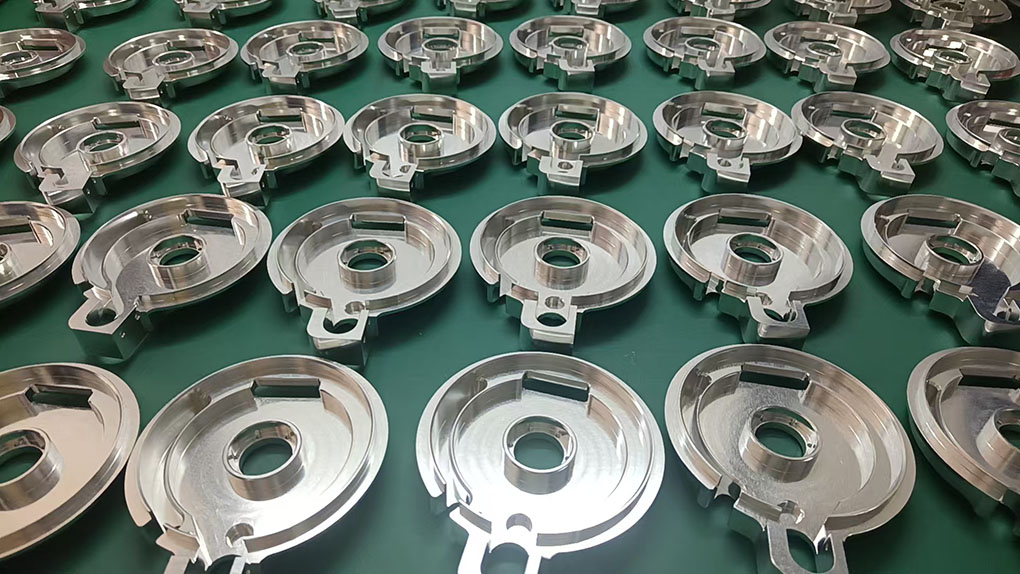
When it comes to precision manufacturing, AL6061 CNC machining stands as one of the most frequently utilized processes across industries. This versatile aluminum alloy has earned its reputation as the go-to material for engineers, product developers, and manufacturers worldwide. Whether you are looking for aluminium milling service for prototyping or need aluminum precision parts for high-volume production, understanding the intricacies of working with AL6061 is essential for achieving optimal results.
In this comprehensive guide, we will explore everything you need to know about AL6061 CNC machining – from its material properties and advantages to practical tips for machining success and its diverse applications across industries.
What is AL6061 Aluminum Alloy?
AL6061 is a precipitation-hardened aluminum alloy that belongs to the 6000 series, which contains magnesium and silicon as its primary alloying elements. It is one of the most common and versatile aluminum machining materials available today, offering an excellent balance of mechanical properties, corrosion resistance, and machinability.
The chemical composition of AL6061 typically consists of approximately 97.9% aluminum, with 1.0% magnesium, 0.6% silicon, 0.28% copper, and 0.2% chromium, along with trace amounts of other elements . This specific combination of elements gives AL6061 its distinctive characteristics and makes it an ideal candidate for CNC machining operations.
The T6 Temper Designation
The most common form of AL6061 used in AL6061 CNC machining is the T6 temper, designated as AL6061-T6. This temper involves solution heat treatment followed by artificial aging, which significantly enhances the material’s mechanical properties. The T6 heat treatment increases the tensile strength by approximately 2.5 times compared to untreated AL6061, making it suitable for demanding structural applications.
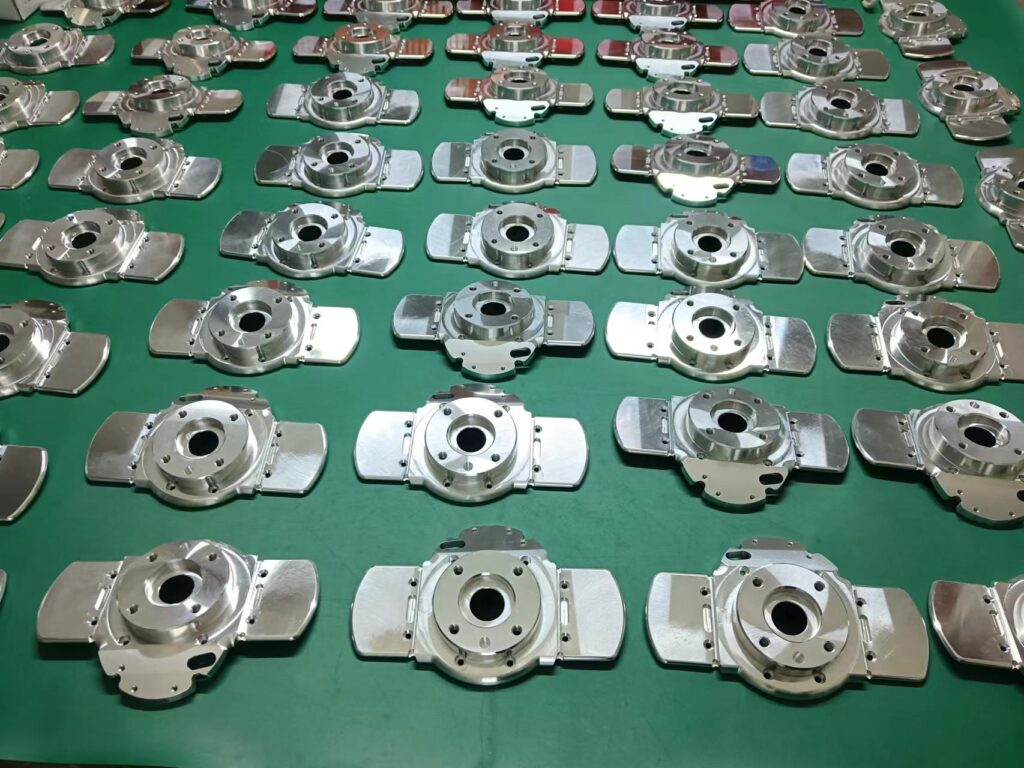
Key Properties of AL6061 for CNC Machining
Understanding the properties of AL6061 is crucial for optimizing your aluminum machining process and ensuring the final parts meet performance requirements.
Propriétés mécaniques
AL6061-T6 exhibits impressive mechanical characteristics that make it one of the best aluminum for machining:
| Propriété | Valeur |
| Résistance à la traction | 310 MPa (45,000 psi) |
| Yield Strength | 276 MPa (40,000 psi) |
| Dureté (Brinell) | 95 HB |
| Shear Strength | 207 MPa |
| Fatigue Strength | 96.5 MPa |
| Elastic Modulus | 68.9 GPa |
The alloy demonstrates a proof stress of 240 MPa minimum and tensile strength of 260 MPa minimum, ensuring reliable performance under load . This combination of strength and lightweight properties provides an excellent strength-to-weight ratio, which is why aluminum machining companies frequently recommend AL6061 for applications where weight reduction is critical.
Physical Properties
AL6061 offers several physical characteristics that benefit CNC machining:
- Density: 70 g/cm³ – making it lightweight compared to steel
- Melting Point: 588-650°C
- Thermal Conductivity: 167 W/m·K – excellent for heat dissipation applications
- Thermal Expansion: 4 × 10⁻⁶/K
- Electrical Conductivity: 47% IACS
Résistance à la corrosion
One of AL6061’s standout features is its excellent corrosion resistance . The magnesium content enhances the natural oxide film that forms on aluminum surfaces, providing protection against environmental exposure, including saltwater and harsh weather conditions. This makes AL6061 particularly suitable for marine, automotive, and outdoor applications.
Usinabilité
AL6061 is widely recognized for its excellent machinability, which is a primary reason it’s favored in AL6061 CNC machining operations. The alloy produces manageable chips, responds well to cutting tools, and allows for high-speed machining. Its machinability rating of approximately 85-100% makes it one of the most workable aluminum alloys available.
Advantages and Disadvantages of AL6061 in CNC Machining
Avantages
- Excellent Machinability: AL6061 is easy to machine compared to other aluminum alloys like 7075, reducing production time and tooling costs.
- Superior Strength-to-Weight Ratio: The combination of strength and lightweight properties makes it ideal for aerospace and automotive applications.
- Good Corrosion Resistance: Suitable for outdoor and marine applications without requiring additional protective coatings.
- Heat-Treatable: Through T6 treatment, the material’s strength can be significantly enhanced .
- Weldability: AL6061 offers good weldability, which is beneficial for assemblies requiring joining operations .
- Versatility: The alloy can be used across a wide range of industries and applications.
Disadvantages
- Lower Strength Without Treatment:Untreated AL6061 has relatively low strength compared to other aluminum alloys.
- Surface Vulnerability:AL6061 is softer than many other metals, making its surface prone to scratches and damage during handling.
- Residual Stress Issues:During heat treatment and quenching, residual stresses can develop, potentially causing dimensional instability during machining.
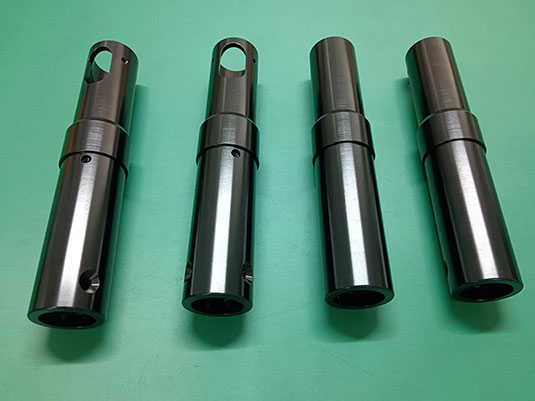
Practical Tips for Successful AL6061 CNC Machining
To achieve optimal results with AL6061 CNC machining, consider the following practical tips:
1. Tool Selection
Choosing the right cutting tools is critical for successful aluminum machining:
- Use carbide tools or polycrystalline diamond (PCD) tools for high-volume production
- Select 2- or 3-flute end mills with polished flutes for effective chip evacuation
- For deep cavity machining, consider variable helix end mills to reduce chatter
- Maintain a sharp cutting edge to prevent built-up edge (BUE) formation
2.Cutting Parameters
Optimize your cutting parameters for AL6061:
| Operation | Cutting Speed (m/min) | Feed Rate (mm/tooth) |
| Roughing | 200-300 | 0.2-0.4 |
| Finition | 200-300 | 0.05-0.15 |
For drilling operations, research indicates that a cutting speed of 75 m/min with a feed rate of 0.05 mm/tooth and liquid cooling yields optimal results .
3.Cooling and Lubrication
Proper cooling is essential for AL6061 CNC machining:
- Use flood cooling or high-pressure coolant systems (70+ bar) to dissipate heat effectively
- High-pressure coolant helps prevent built-up edge (BUE) and improves chip evacuation
- Consider air blasting in addition to coolant for better chip removal
4.Managing Residual Stress and Distortion
One of the primary challenges in aluminium milling service is maintaining dimensional accuracy, especially for large or thin-walled components :
- Specify stress-relieved tempers like 6061-T651, which undergoes stretching to neutralize internal stresses
- Use a strategic roughing and finishing approach:
- Roughing: Remove bulk material leaving 1-2 mm stock allowance
- Stress Relief: Unclamp the part to allow stress redistribution
- Re-fixturing: Re-secure with minimal clamping force
- Semi-finishing: Machine to near-final dimensions
- Final finishing: Take light passes for final dimensions
5.Avoiding Built-Up Edge
To prevent BUE and material adhesion:
- Maintain a rake angle greater than 15°
- Use polished tool coatings like TiB2
- Ensure adequate coolant flow to the cutting zone
- Consider climb milling for more stable cutting
6.Machining Thin-Walled Parts
For thin-walled components requiring precision:
- Use vacuum chucks or specialized fixturing to minimize distortion
- Take symmetrical cuts from both sides of the material
- Allow stress relief time between roughing and finishing operations
- Control heat generation through appropriate cutting parameters
Surface Finishing Options for AL6061 Parts
After AL6061 CNC machining, various surface treatments can enhance appearance and performance:
- Anodizing (Type II and Type III): Provides corrosion protection, wear resistance, and allows for color dyeing
- Sablage de perles : Creates uniform matte finishes
- Revêtement par poudre : Offers durable color finishes
- As-machined: Suitable for internal components or applications where surface finish is less critical
Conclusion
AL6061 CNC machining continues to be the preferred choice for engineers and manufacturers seeking a versatile, cost-effective, and high-performance aluminum solution. With its excellent machinability, impressive strength-to-weight ratio, and broad application potential, AL6061 delivers consistent results across prototyping and high-volume production scenarios .
By understanding the material’s properties, following best practices for tool selection and cutting parameters, and addressing challenges like residual stress management, manufacturers can achieve outstanding results with aluminum precision parts produced through AL6061 CNC machining.
Whether your application involves aerospace components, automotive parts, medical devices, or electronics enclosures, AL6061 offers the versatility and performance needed to bring your designs to life. When looking for an aluminium milling service ou aluminum machining center, choose partners who understand the nuances of working with this remarkable material to ensure your aluminum precision parts meet the highest standards of quality and performance.
Ready to start your AL6061 CNC machining project? Contact experienced aluminum machining companies who can guide you through material selection, design optimization, and production to achieve the best results for your application.