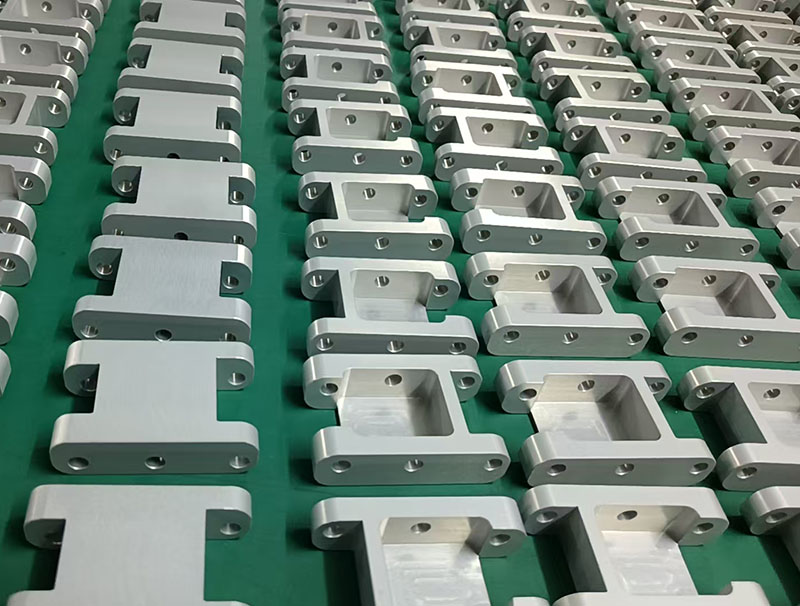
In the demanding world of aerospace, defense, and high-performance engineering, material selection is everything. Components must withstand immense stress, cyclic loads, and extreme conditions without failure. This is where AL2024 CNC Machining becomes not just a manufacturing process, but a critical enabler of performance and safety. Known as the “Aircraft Alloy,” AL2024 offers an unmatched combination of high strength and superior fatigue resistance. This article explores the intricacies of AL2024 CNC Machining, detailing the material’s properties, process optimization, and why it is the go-to choice for applications where failure is not an option.
Understanding AL2024 Aluminum Alloy
AL2024 is a high-strength aluminum alloy that belongs to the 2000 series, with copper as its primary alloying element. The typical composition includes 3.8–4.9% copper, 1.2–1.8% magnesium, and 0.3–0.9% manganese, along with smaller amounts of other elements. This specific combination of alloying elements is what gives AL2024 its remarkable mechanical characteristics.
What sets AL2024 apart from other aluminum alloys is its exceptional strength-to-weight ratio. It offers tensile strength comparable to some mild steels, yet weighs only about one-third as much. This makes it an ideal candidate for applications where engineers prioritize weight reduction but cannot compromise structural integrity.
However, it is important to note that AL2024 does have limitations. Its corrosion resistance is lower than that of other aluminum alloys such as 6061 oder 7075. This is a direct consequence of its copper content, which, while beneficial for strength and fatigue resistance, makes the alloy more susceptible to intergranular corrosion. For this reason, components produced through AL2024 CNC Machining often require additional surface protection treatments before they are put into service.
The Science Behind Fatigue Resistance
The defining characteristic of AL2024 is its outstanding fatigue resistance. Fatigue failure occurs when a material is subjected to repeated cyclic loading over time. Even when the maximum stress applied is well below the material’s ultimate tensile strength, microscopic cracks can initiate and gradually propagate until sudden fracture occurs.
AL2024 is specifically engineered to resist this type of failure. Its microstructure, refined through careful heat treatment and work hardening processes, provides exceptional resistance to crack initiation. The copper-rich precipitates that form during aging create barriers to dislocation movement, making it more difficult for fatigue cracks to start and grow.
In practical terms, this means that components manufactured through AL2024 CNC Machining can endure millions of stress cycles without failure. This is why the alloy has been the material of choice for aircraft wing skins, fuselage structures, and other primary airframe components since the 1930s. When an aircraft encounters turbulence, performs a maneuver, or experiences pressurization cycles during every flight, the structural components made from AL2024 absorb these repeated loads reliably.
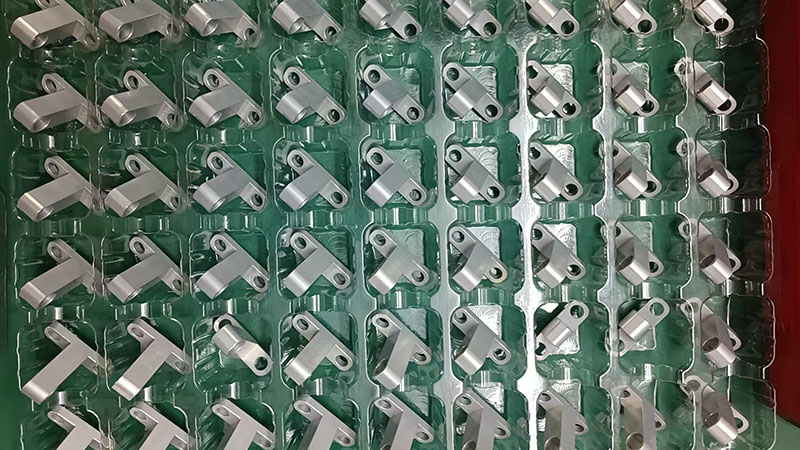
Critical Factors in AL2024 CNC Machining
Producing high-quality components from AL2024 requires a thorough understanding of how machining parameters affect the final product. While the alloy is considered to have good machinability overall, achieving the best results demands careful attention to several key factors.
Surface Integrity and Its Impact
Surface integrity refers to the condition of the machined surface and the subsurface layer immediately below it. This includes surface roughness, residual stresses, and any microstructural alterations caused by the cutting process. For aluminum precision parts made from AL2024, surface integrity is directly linked to in-service performance.
A rough surface contains microscopic peaks and valleys that act as stress concentrators. When the component is subjected to cyclic loading, these stress concentrators become preferred sites for fatigue crack initiation. Therefore, achieving a fine surface finish is essential for maximizing the fatigue life of AL2024 components.
Feed rate during machining has been identified as one of the most significant factors affecting surface roughness. Higher feed rates generally produce rougher surfaces, while lower feed rates allow for better surface quality. However, there is a trade-off to consider, as reducing feed rate increases machining time and production costs.
Cutting speed also influences surface integrity. Excessively high cutting speeds can generate excessive heat, which may alter the microstructure of the aluminum near the machined surface. This heat-affected zone can have different mechanical properties than the bulk material, potentially reducing fatigue performance.
Tool Selection and Geometry
The choice of cutting tools is another critical consideration for AL2024 CNC Machining. Carbide tooling is generally recommended due to its hardness and wear resistance. Sharp cutting edges are particularly important because they produce cleaner cuts with less material deformation.
Tool geometry, including the nose radius and helix angle, affects both surface finish and tool life. A larger nose radius can help distribute cutting forces and improve surface quality, while the helix angle influences chip evacuation and cutting efficiency. For milling operations, a higher helix angle has been shown to produce better surface finishes on aluminum alloys.
Heat Management
Although aluminum is generally a good conductor of heat, the high cutting speeds often used in aluminum CNC machining can still generate significant heat at the cutting zone. Excessive heat can lead to thermal expansion of the workpiece, making it difficult to maintain dimensional accuracy. It can also accelerate tool wear and potentially affect the material properties of the component.
Proper cooling and lubrication strategies are essential for managing heat during AL2024 CNC Machining. Oil-based coolants are often preferred over water-based options because they provide better lubrication, reducing friction between the cutting tool and the workpiece. This not only helps control temperature but also improves surface finish and extends tool life.
Alternative Machining Approaches
While conventional CNC milling and turning are the predominant methods for AL2024 CNC Machining, other techniques may be appropriate for certain applications.
Electrical Discharge Machining
For components with complex geometries, deep cavities, or intricate internal features that are difficult to produce with conventional cutting tools, Electrical Discharge Machining offers a viable alternative. EDM works by eroding material through controlled electrical sparks, making it possible to create shapes that would be challenging or impossible with traditional machining.
When applying EDM to AL2024, machinists must carefully control parameters such as pulse duration, pulse interval, and current intensity to achieve the desired balance of machining speed, electrode wear, and surface quality. The process creates a recast layer on the surface that may have different properties than the base material, which is an important consideration for fatigue-critical applications.
Burnishing and Surface Enhancement
Burnishing is a surface finishing process that can be applied after conventional machining to improve surface integrity. Unlike material removal processes, burnishing plastically deforms the surface, smoothing out roughness and creating beneficial compressive residual stresses.
These compressive stresses are particularly valuable for fatigue resistance because they help close microscopic cracks and prevent them from propagating. Research has consistently shown that burnished surfaces exhibit significantly longer fatigue lives than as-machined surfaces.
Post-Machining Treatments
As noted earlier, AL2024 has relatively poor corrosion resistance compared to other aluminum alloys. This means that manufacturers almost always require additional surface protection for components produced through AL2024 CNC Machining before they can put them into service.
Eloxieren
Anodizing is an electrochemical process that converts the surface of aluminum into a durable, corrosion-resistant oxide layer. Hard-coat anodizing, in particular, produces a thick, wear-resistant coating that significantly improves both corrosion resistance and surface hardness.
Für aluminum precision parts that will be exposed to harsh environments, anodizing is often essential. The process also provides a good base for subsequent painting or adhesive bonding, making it a versatile surface treatment option.
Chemical Conversion Coatings
Chemical conversion coatings, such as Alodine or chromate conversion coatings, offer another method of protecting AL2024 components. These coatings provide corrosion resistance while maintaining electrical conductivity, which is important for applications where designers require grounding or EMI shielding..
Protective Paint Systems
For the highest level of corrosion protection, manufacturers can apply multi-layer paint systems over anodized or conversion-coated surfaces. These systems provide both barrier protection and, in some cases, cathodic protection that helps prevent corrosion even if damage occurs to the coating.
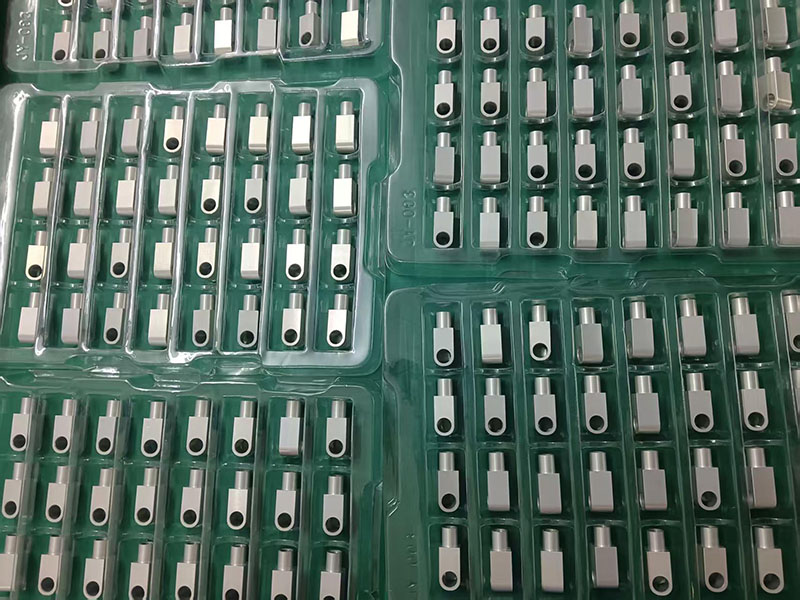
Applications of AL2024 CNC Machining
The exceptional properties of AL2024 make it suitable for a wide range of demanding applications across multiple industries.
Luft- und Raumfahrt
The aerospace industry is the largest consumer of AL2024. Aircraft structural components such as wing skins, fuselage frames, bulkheads, and ribs are commonly manufactured using AL2024 CNC Machining. The alloy’s high fatigue resistance is particularly valuable for components that experience repeated pressurization cycles and aerodynamic loads.
Defense and Military
Military aircraft, missiles, and ground vehicles also benefit from the strength and fatigue resistance of AL2024. Defense applications often require components that can withstand extreme conditions while maintaining reliability over extended service lives.
High-Performance Automotive
In the automotive sector, AL2024 is used for high-performance and racing applications where weight reduction and strength are critical. Suspension components, chassis parts, and engine mounts are just a few examples of aluminum precision parts that benefit from the alloy’s properties.
General Engineering
Beyond these specialized applications, engineers also use AL2024 in general engineering for components that experience cyclic loading. They sometimes manufacture pump housings, gear cases, and structural brackets in heavy machinery from this alloy when the application demands high fatigue resistance.
The Importance of Partnering with Skilled Machinists
Given the complexities involved in AL2024 CNC Machining, partnering with a machine shop that has specific experience with this material is essential. The choice of cutting parameters, tooling, and cooling strategies all affect the final quality of the component, and there is no substitute for hands-on expertise.
A skilled machinist will understand the importance of surface integrity for fatigue performance and will optimize the process accordingly. They will also be familiar with the post-machining treatments required to protect the component from corrosion, ensuring that the finished part meets both performance and longevity requirements.
Schlussfolgerung
AL2024 CNC Machining represents a strategic choice for engineers who demand the highest level of structural integrity and fatigue resistance from an aluminum alloy. Its exceptional strength-to-weight ratio and ability to withstand cyclic loads make it irreplaceable in critical sectors like aerospace, defense, and high-performance automotive engineering.
While the material requires careful process control and often demands additional surface treatments, the payoff is a component that delivers exceptional long-term performance. For custom aluminum machining projects where reliability is paramount, AL2024 offers a proven solution that has stood the test of time.
Whether you need aircraft fittings, automotive suspension components, or any other aluminum precision parts that must endure repeated stress, AL2024 CNC Machining provides the performance and reliability that safety-critical applications demand. By understanding the material’s properties and working with skilled machinists who know how to optimize the process, you can ensure that your components meet the highest standards of quality and durability.
Verwandte Artikel: