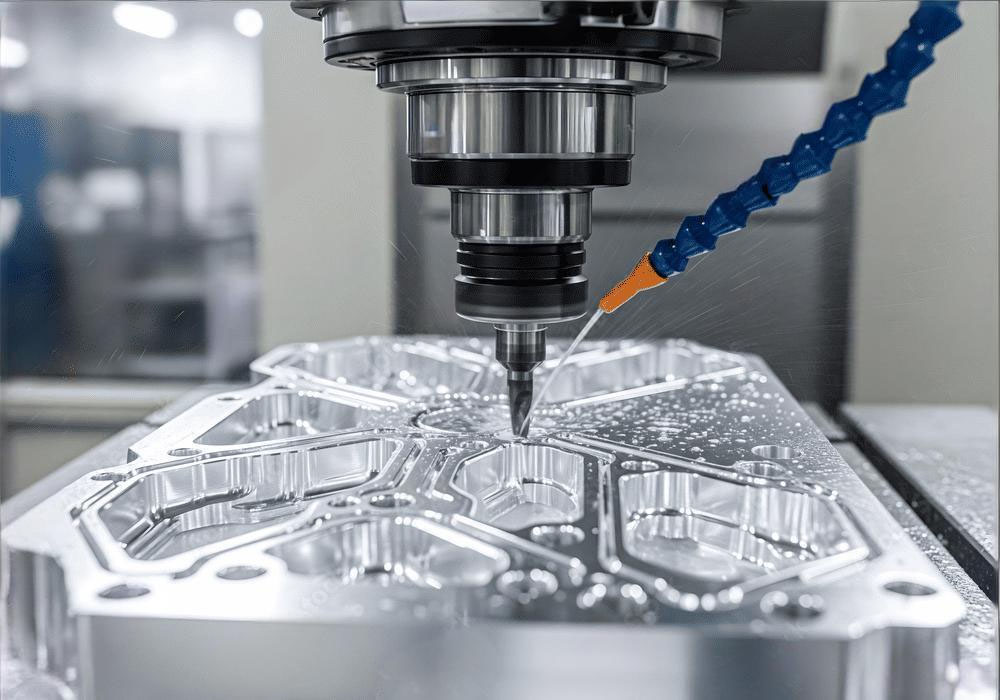
In modern engineering and manufacturing, off-the-shelf components rarely solve every problem. As products become more advanced—whether in aerospace systems, medical equipment, robotics, or industrial automation—the demand for precision, customization, and performance continues to grow. This is where Pièces d'usinage CNC personnalisées play a critical role.
Unlike standard components, custom CNC machined parts are designed and manufactured to meet specific technical requirements. Engineers can control everything from material selection and dimensional tolerances to surface finishes and structural geometry. The result is a component that fits perfectly into a system rather than forcing the system to adapt to a generic part.
For companies developing complex products, custom CNC machining is not just a manufacturing option—it is often the most reliable way to turn innovative ideas into functional, high-quality hardware.
Why Custom CNC Machining Matters in Modern Engineering
Engineering challenges today are rarely simple. Devices must be smaller yet stronger, lighter yet more durable, and more efficient while maintaining strict reliability standards. Standard parts can only go so far in meeting these demands.
For example, a robotics manufacturer may need a lightweight aluminum bracket with complex internal pockets to reduce weight while maintaining rigidity. A medical device company may require stainless steel components with extremely tight tolerances to ensure safe operation. Aerospace systems might require heat-resistant alloys machined with precision threads and intricate geometries.
CNC machining excels in these situations because it combines digital precision with versatile manufacturing capability. With modern multi-axis machines, manufacturers can produce complex shapes, tight tolerances, and consistent quality across prototypes and production runs.
What Makes a CNC Machined Part “Custom”?
A custom CNC machined part is typically built from a specific design file—often a CAD model—created to solve a particular engineering challenge. Unlike standardized hardware, every feature of the part can be tailored to the application.
Customization can involve several factors.
Geometry and complexity are often the first considerations. CNC machining allows intricate shapes such as deep cavities, curved surfaces, micro-features, and complex contours that traditional manufacturing methods struggle to achieve.
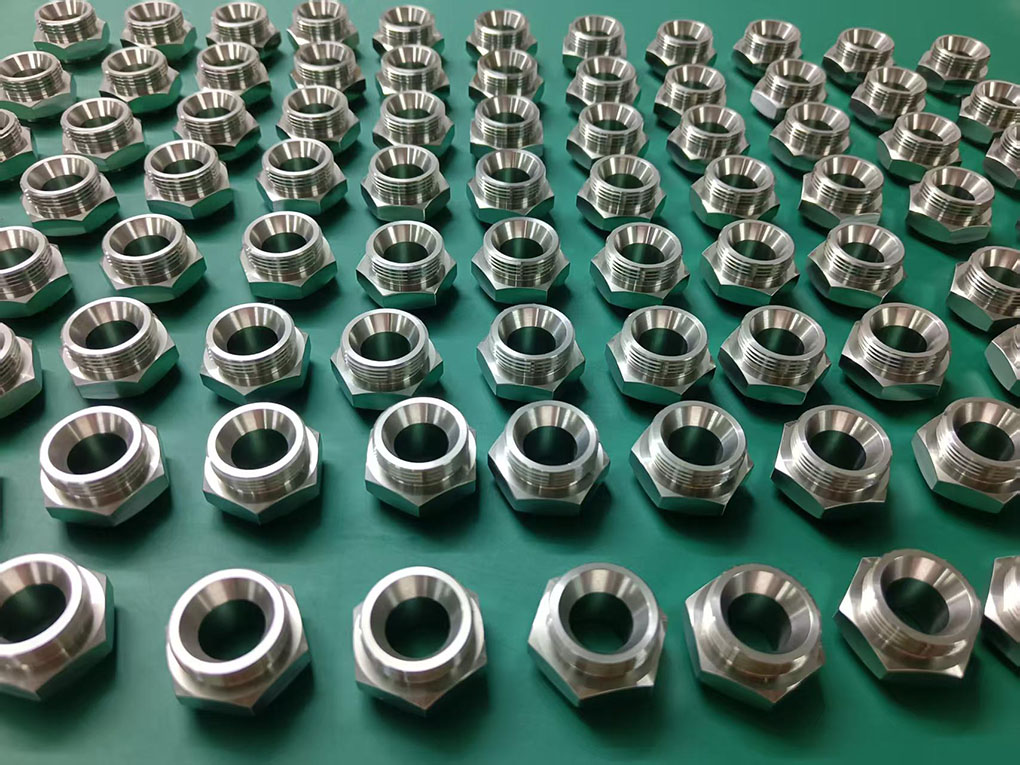
Material selection is another important aspect. Engineers can choose from aluminum alloys, stainless steel, titanium, brass, copper, engineering plastics, and specialized materials depending on performance requirements such as strength, corrosion resistance, electrical conductivity, or thermal stability.
Tolerances and precision are equally critical. In many industries, even a few microns can affect assembly performance. CNC machining allows manufacturers to maintain tight tolerances consistently across batches.
Finally, finition de surface plays a role in both functionality and aesthetics. Finishes such as bead blasting, anodizing, polishing, or plating can improve wear resistance, corrosion protection, and appearance.
When all of these elements come together, the result is a component that fits its intended application perfectly.
How Custom CNC Machining Supports Complex Designs
One of the biggest advantages of CNC machining is its ability to bring complex designs to life without sacrificing accuracy or reliability.
Modern machining centers—especially Machines CNC à 5 axes—allow tools to approach a workpiece from multiple directions. This capability makes it possible to create detailed geometries, compound angles, and complex internal features in a single setup. Reducing setups not only saves time but also improves dimensional consistency.
This flexibility is particularly useful in industries where design innovation drives competitiveness.
In aerospace engineering, lightweight structures often contain intricate pocketing and thin walls that reduce weight while maintaining strength. In medical technology, surgical tools and implants must combine precision with biocompatible materials. Robotics and automation equipment frequently rely on complex assemblies where each part must fit perfectly with others.
Custom CNC machining allows engineers to focus on design optimization rather than worrying about manufacturing limitations.
The Role of Design in Successful Custom Machining
Although CNC machining offers incredible flexibility, thoughtful design still plays an essential role in producing efficient and cost-effective parts.
Engineers often apply Conception pour la fabrication (DFM) principles to ensure that a part can be machined efficiently without unnecessary complexity. Small adjustments in design—such as adding proper radii, avoiding overly deep cavities, or selecting appropriate tolerances—can significantly improve manufacturing efficiency.
For example, internal corners cannot be perfectly sharp because cutting tools have a radius. Designing with realistic corner radii reduces machining time and improves tool life. Similarly, avoiding extremely thin walls helps prevent vibration and deformation during machining.
Material selection also affects design decisions. Aluminum is easy to machine and suitable for many applications, while titanium offers exceptional strength but requires slower cutting speeds and specialized tooling.
When designers collaborate with experienced machinists early in the process, the result is often a part that is both high-performance and cost-effective.
From Prototype to Production
Another reason custom CNC machining is so valuable is its ability to support every stage of product development.
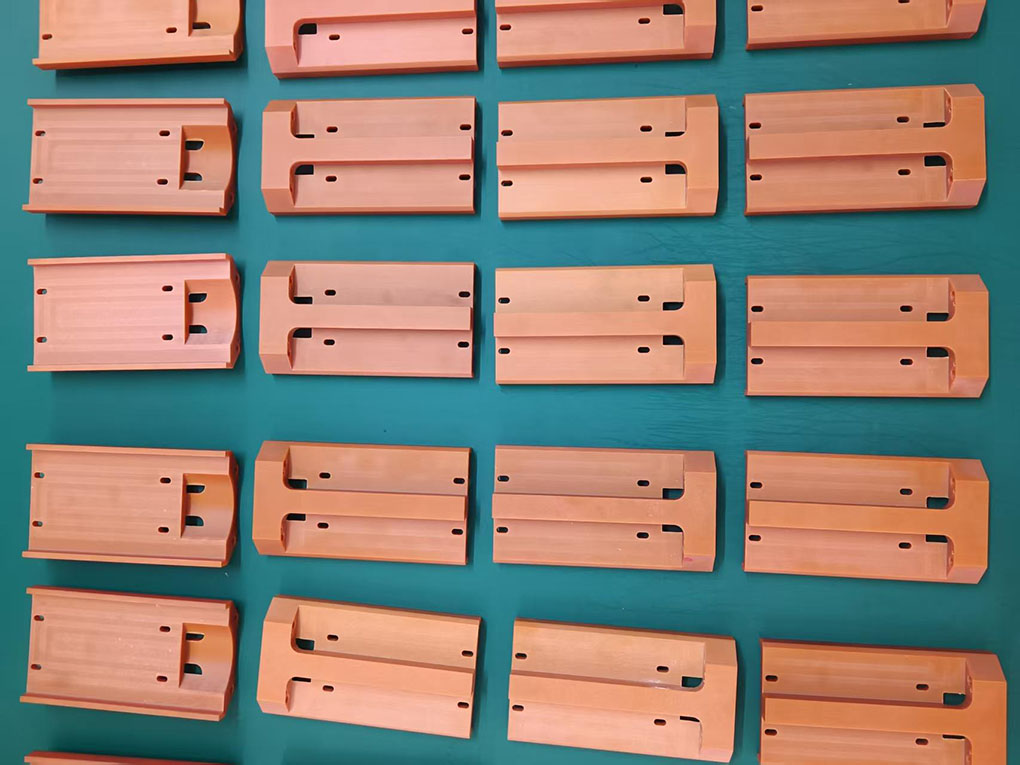
During the prototype phase, engineers can quickly produce physical parts to test fit, function, and performance. Rapid prototyping allows teams to validate designs, identify improvements, and refine their products before moving to larger production runs.
Because CNC machining uses digital design files, updating a design is straightforward. Once adjustments are made in the CAD model, the machining program can be modified accordingly. This flexibility helps accelerate product development cycles.
After prototypes are validated, CNC machining can seamlessly transition into low-volume or medium-volume production. For industries where production volumes are relatively small but quality requirements are high—such as aerospace or specialized industrial equipment—CNC machining remains one of the most practical manufacturing methods.
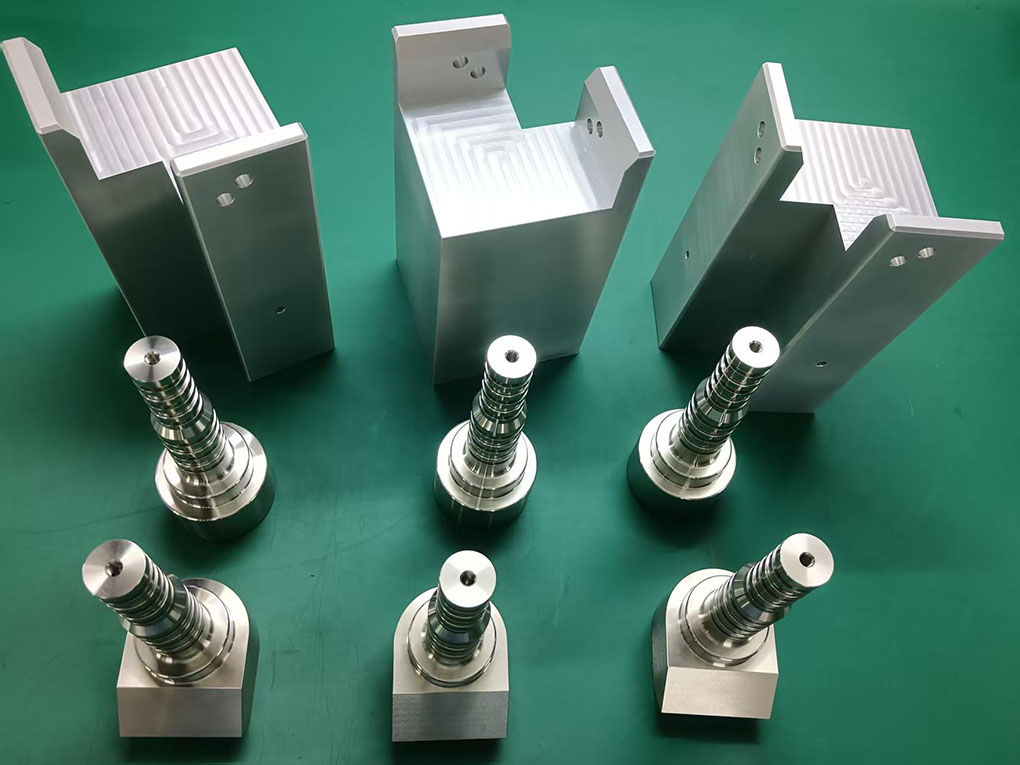
Quality Control and Precision
Precision is the defining feature of CNC machining. For custom components, maintaining strict quality standards is essential to ensure reliable performance.
Manufacturers typically implement multiple inspection processes to verify dimensional accuracy. These may include coordinate measuring machines (CMM), digital calipers, micrometers, and specialized gauges for threads or hole positions.
In some cases, 100% inspection is performed on critical features to guarantee that every part meets specification. This level of quality control is especially important for industries where failure is not an option.
Surface finish inspection and material verification may also be required depending on the application. Combined with consistent machining processes, these inspection methods help ensure that custom CNC parts meet the expectations of engineers and end users alike.
Industries That Rely on Custom CNC Machining
Custom CNC machining is widely used across many industries because of its precision and adaptability.
In the aerospace sector, machined components must withstand extreme temperatures, pressure changes, and mechanical loads. Precision and material performance are critical.
En medical manufacturing, CNC machining produces surgical instruments, implants, and diagnostic equipment parts where accuracy and reliability are essential.
Le automation and robotics industry relies heavily on custom components such as housings, brackets, shafts, and motion system parts designed for specific equipment configurations.
Even in consumer electronics and industrial machinery, custom machined components help manufacturers create compact, durable products with consistent quality.
Across all these industries, custom machining allows engineers to turn complex ideas into real components that perform reliably in demanding environments.
Choosing the Right CNC Machining Partner
Because custom parts are built around specific requirements, selecting the right machining partner can make a significant difference in project success.
A capable machining partner should offer more than just equipment. Experience in working with different materials, understanding complex drawings, and providing design feedback are equally important.
Strong communication is also essential. Engineers often benefit from feedback during the early stages of design to avoid unnecessary manufacturing challenges later. A collaborative approach helps ensure that the final component meets both performance and budget expectations.
Additionally, a reliable machining partner should maintain strict quality control standards and deliver consistent results across prototypes and production batches.
Turning Engineering Ideas into Precision Components
As technology continues to evolve, engineering designs will only become more complex. The need for customized, high-precision components will grow alongside these innovations.
Custom CNC machining provides a practical and reliable solution. By combining advanced manufacturing technology with skilled engineering expertise, manufacturers can produce parts that meet exact specifications while maintaining high quality and efficiency.
For companies developing advanced products, the ability to create tailored components often determines whether an idea remains a concept—or becomes a successful product.
Partner with SYM Machining
If your project requires high-precision custom CNC machining parts, working with the right manufacturing partner is essential.
Au SYM Machining, we specialize in producing complex, high-quality CNC machined components tailored to our customers’ exact specifications. From prototype development to production manufacturing, our team focuses on precision, reliability, and consistent quality.
Whether your design involves intricate geometries, tight tolerances, or specialized materials, SYM Machining is ready to help turn your engineering concepts into finished components.
Contact SYM Machining today to discuss your custom machining project and discover how a trusted manufacturing partner can help bring your ideas to life.