Introduction
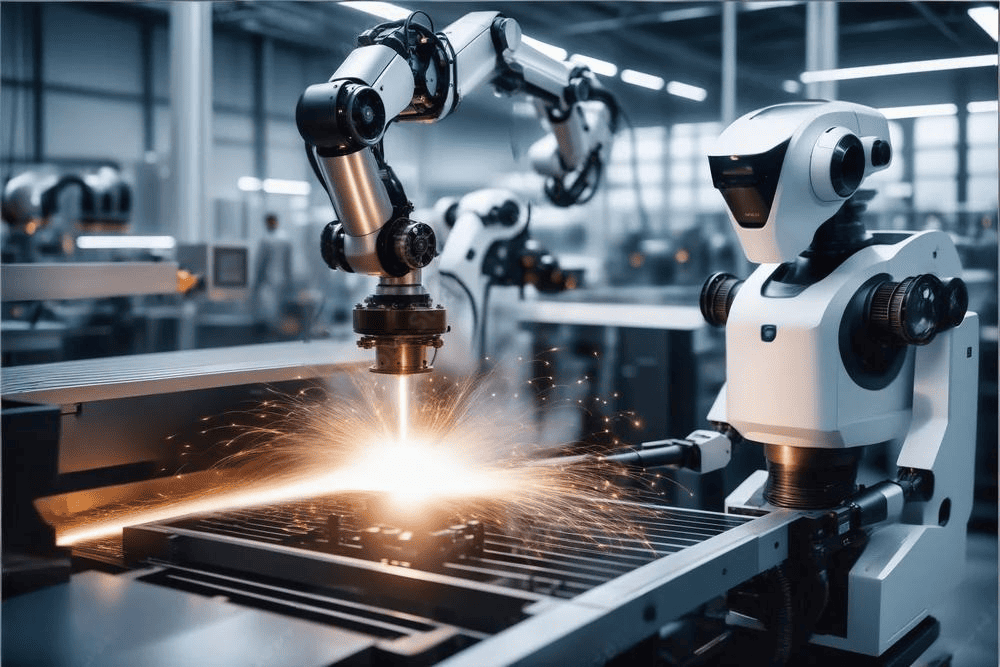
Artificial intelligence (AI) is one of the most talked-about technologies in the world today. People are using AI to help with jobs, learn new things, and solve problems faster than ever before. One place where AI is beginning to make a big difference is in manufacturing, especially in CNC machining. CNC machining stands for computer numeric control machining. It is a way of making parts and products using machines that cut and shape metal, plastic, and other materials.
SYM Machining is a company that uses CNC machines to make parts for many industries, from aerospace to medical tools. As machines become smarter and more connected, many people are asking: Will artificial intelligence benefit the CNC machining industry? The short answer is yes. In this article, we will explore how AI can help improve productivity, quality, safety, and competitiveness in CNC machining. You will learn what AI is, how it works with CNC machines, and why it matters for companies like SYM Machining.
What Is Artificial Intelligence?
Artificial intelligence is a type of computer technology that allows machines to think, learn, and make decisions like humans. AI works by processing large amounts of data and finding patterns. When it sees those patterns, AI can make predictions or choices without being told exactly what to do every time.
Think about how a smartphone can suggest the next word you want to type. That suggestion comes from AI studying millions of text examples and learning what word usually comes next. In CNC machining, AI looks at machine data, part designs, and cutting results to help machines work better.
AI is not only one thing. It includes tools like:
- Machine learning – where computers learn from past results.
- Computer vision – where machines “see” objects using cameras and sensors.
- Predictive analytics – where computers estimate what might happen next.
These tools help machines adjust processes, avoid mistakes, and make smarter decisions.
Why AI Matters in Manufacturing and CNC Machining
Manufacturing has always changed with new technologies. In the past, factories moved from hand tools to powered machines. Later, computers helped control equipment. Now, machines can collect data and talk to each other. This is part of what people call Industry 4.0 — the fourth industrial revolution.
CNC machining is at the heart of manufacturing. CNC machines make parts with high precision. Without them, many products we use every day could not be made. But CNC machining also has challenges:
- Machines can wear down and break.
- Programs may need more time to set up.
- Mistakes can cause wasted materials.
- It can be hard to keep quality high.
This is where AI can make a difference. AI gives machines the ability to notice patterns and learn from data. With AI, CNC machines can become more efficient, more reliable, and easier to manage.
How AI Improves CNC Machining Processes?
One of the biggest benefits of AI in CNC machining is process improvement. A process is the steps a machine follows to make a part. AI helps in several ways:
1. Smarter Programming
CNC machines need programs that tell them how to move and cut. Traditionally, humans write these programs using CAD (computer-aided design) and CAM (computer-aided manufacturing) software. This can take time, and mistakes in programming can lead to defective parts.
AI can help automate programming. Using machine learning, AI can analyze many past programs and find the best way to cut a part for speed and quality. This saves time and reduces errors. For example, AI can choose the most efficient cutting paths by learning from past successful jobs. This means parts can be made faster with less wasted material.
2. Real-Time Monitoring and Adjustment
In traditional CNC machining, operators watch machines and check measurements manually. If something goes wrong, like a tool chipping or a part shifting, the machine might continue making bad parts until someone notices.
AI can monitor machines in real time. Sensors collect data such as vibration, temperature, sound, and force. AI analyzes this data and can detect small signs that a tool is wearing out or a problem is developing. When AI notices an issue, it can adjust machine settings automatically or signal an operator to intervene before bad parts are made. This helps reduce scrap and rework, saving time and money.
3. Predictive Maintenance
One of the most powerful benefits of AI is predictive maintenance. Machines break down over time. Without good maintenance, breakdowns can happen unexpectedly, stopping production and increasing costs.
AI uses data from machines to predict when parts are likely to fail. Instead of waiting for a failure, AI alerts technicians to perform maintenance at the right time. This means less unplanned downtime and longer machine life. For SYM Machining, this could mean machines run more reliably and customer orders are completed on time.
4. Quality Control
Making parts that meet exact requirements is critical in CNC machining. Some industries, like aerospace and medical devices, have zero tolerance for errors.
AI improves quality control by using computer vision and sensors to inspect parts automatically. Cameras can scan surfaces, measure dimensions, and detect defects faster and with more accuracy than humans can. AI can compare real parts to digital designs and find differences that may not be visible to the naked eye. This leads to higher quality output and fewer defective parts reaching customers.
How AI Helps Workers and Technicians?
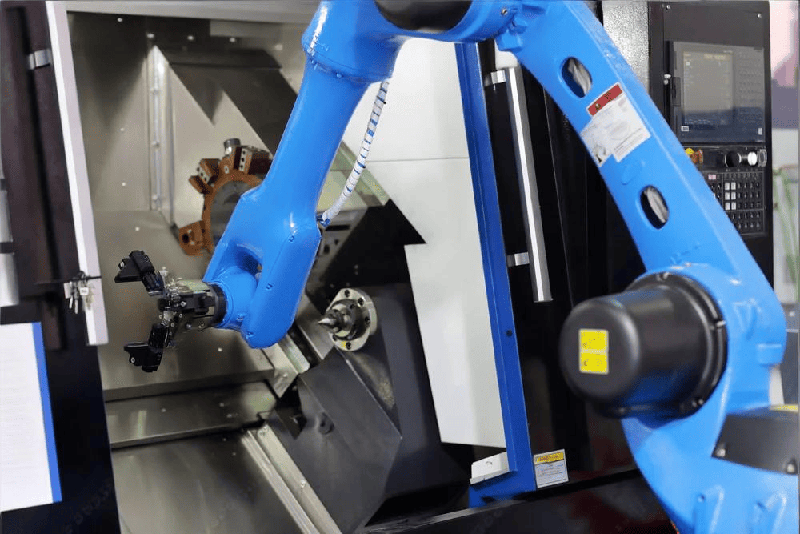
Some people worry that machines with AI will replace human jobs. In the CNC machining industry, the real effect of AI is to support workers, not replace them.
1. Reducing Repetitive Work
Many tasks in CNC machining are repetitive, like setting up machines, checking measurements, or adjusting programs. AI can take over some of these tasks, freeing workers to focus on higher-value work, such as problem-solving, innovation, and quality improvement.
2. Helping Less-Experienced Technicians Learn
New technicians must learn many skills before they can perform at a high level. AI tools can act like tutors. They can give real-time feedback and suggestions that help technicians improve faster. For example, AI can recommend tool selection, cutting speeds, and feeds based on best practices from past jobs.
3. Increasing Safety
CNC machining involves heavy equipment, sharp tools, and fast-moving parts. Safety is always a top priority. AI can alert workers to unsafe conditions and prevent accidents. For example, if a sensor detects that a guard is not properly in place or a machine is vibrating too much, AI can stop the machine and warn the operator.
These benefits help make the workplace safer, less stressful, and more productive.
AI and Cost Savings in CNC Machining
Cost is a major concern for any manufacturing business. AI helps reduce costs in several ways:
1. Less Waste
When machines work better and parts are made correctly the first time, less material is wasted. Cutting metal is expensive, and reducing scrap can lead to big savings.
2. Lower Maintenance Costs
Predictive maintenance prevents expensive breakdowns. Instead of fixing a machine after it fails, companies can fix it before failure happens. This reduces repair costs and production delays.
3. Higher Productivity
AI helps machines run faster and with fewer interruptions. This means more parts can be made in the same amount of time. Higher productivity usually leads to higher profits.
For a company like SYM Machining, improved productivity and reduced waste translate directly into better service for customers and healthier business growth.
AI and the Future of Custom Machining
Custom machining is one of the strengths of CNC technology. Many customers need parts that are unique or made in small batches. AI supports custom machining by:
- Helping engineers design complex parts more easily.
- Offering better estimates of costs and times.
- Allowing machines to switch between jobs with less downtime.
AI can look at a customer’s part requirements and suggest the best way to produce it efficiently. This enables SYM Machining to take on complex jobs with confidence.
In the future, AI systems may even generate optimized CNC programs automatically from customer drawings. This will reduce lead times and help customers get parts faster.
AI and Better Decision-Making
In CNC machining, decisions are made every day. What tools should be used? How fast should the spindle spin? When should maintenance occur? AI gathers and analyzes data to help companies make better decisions.
With AI dashboards and reports, managers can see patterns that humans might miss. For example, AI can show which machines perform best, which jobs take the most time, and when bottlenecks occur. This information can help SYM Machining plan production schedules more effectively and improve workflow across the shop.
Better decisions lead to better outcomes: higher quality, lower cost, faster delivery, and greater customer satisfaction.
Challenges of AI Adoption in CNC Machining
While AI has many benefits, adopting it also brings challenges. These must be understood so companies can prepare properly.
1. Upfront Costs
Adding AI systems requires investment in software, sensors, and training. Some small shops may find this expensive at first. However, the long-term benefits often outweigh the costs.
2. Training and Skills
Workers need training to use AI tools effectively. Some technicians may be unfamiliar with data analytics or smart systems. Investing in employee training is essential to get the most out of AI.
3. Data Quality
AI works best when it has good data. If a shop does not collect accurate data from machines and processes, AI cannot make reliable predictions. Setting up proper data collection systems is a critical first step.
Despite these challenges, many manufacturers find that the advantages of AI far outweigh the difficulties. Planning and training are key to successful implementation.
Real-World Examples of AI Helping CNC Machining
AI is already making a difference in many factories around the world. Some CNC machinists use AI to:
- Detect tool wear before it causes part defects.
- Automate inspection with cameras and sensors.
- Optimize tool paths for faster cutting times.
- Predict maintenance needs to avoid machine failures.
These examples show that AI is not just a future idea — it is already helping companies today. For SYM Machining, learning from these real-world applications can guide successful adoption of AI technologies.
Conclusion: A Brighter Future with AI
Artificial intelligence will benefit the CNC machining industry in many important ways. It improves machining processes, supports workers, reduces costs, and makes quality better. Delivering value at every step. As we look to the future, the potential of AI in CNC continues to inspire, offering a glimpse into a new era of automated, optimized, and high-performance manufacturing. AI helps machines work smarter, not just harder. For companies like SYM Machining, AI offers a path to greater efficiency, stronger competitiveness, and higher customer satisfaction.
As technology continues to evolve, the combination of AI and CNC machining will shape the future of manufacturing. The companies that embrace AI will be better positioned to meet the demands of customers, adapt to new challenges, and lead in innovation. AI is not replacing human workers — it is empowering them. Together, humans and intelligent machines can build a stronger, smarter future for CNC machining.