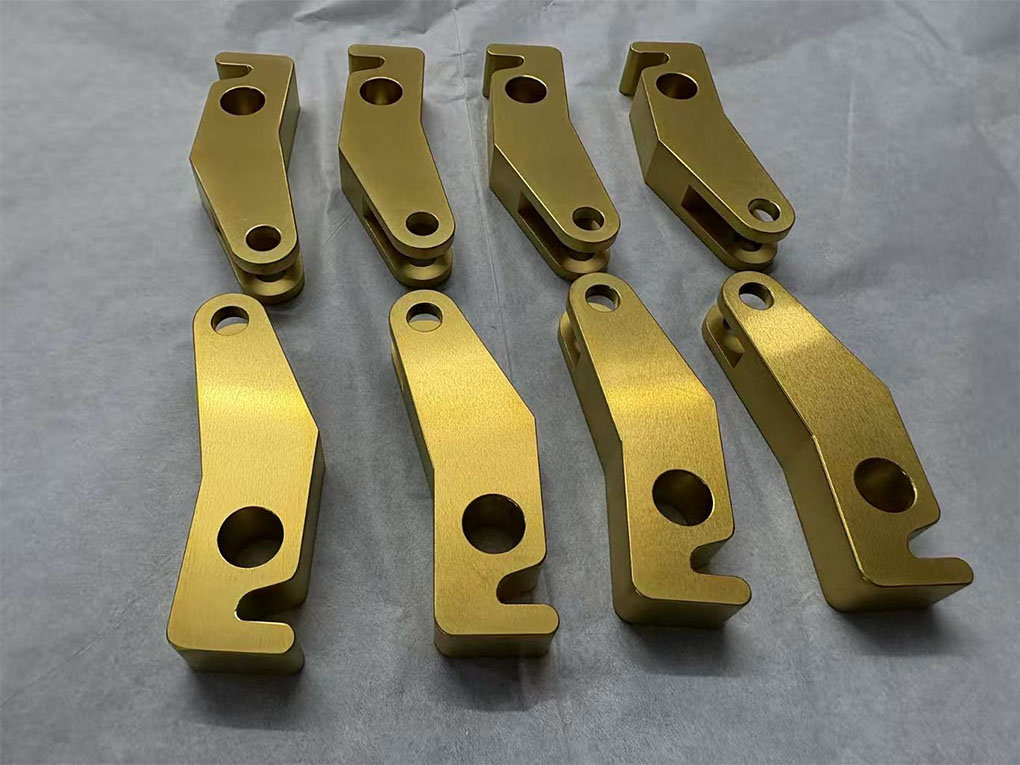
Manufacturers face relentless pressure to push parts harder, faster, and longer. Titanium Nitride (TiN) coating answers that challenge with unmistakable golden brilliance and serious industrial strength. Engineers apply this ultra-thin ceramic layer to shield precision components from abrasive wear, heat, and friction.
When you upgrade metal parts with a TiN coating, surfaces transform from vulnerable raw stock into resilient workhorses. Cutting tools hold sharper edges through grueling runs. Sliding components glide smoothly with lower heat buildup. Even decorative hardware gains rich visual appeal alongside lasting protection.
The golden finish catches the eye first, yet performance drives real return on investment. Modern factories rely on Titanium Nitride coating to cut downtime, stretch tool life, and protect tight tolerances. Understanding how this finish works helps engineering teams choose smarter surface treatments for demanding projects.
What Makes Titanium Nitride (TiN) Coating Stand Out?
Titanium Nitride combines titanium and nitrogen atoms into a dense, crystalline ceramic film. Engineers typically deposit layers only a few microns thick onto steel, stainless steel, carbide, or titanium substrates. Despite its delicate thickness, the film delivers extraordinary surface hardness.
Standard untreated steels often scuff, gall, or wear down quickly under heavy contact loads. A TiN coating creates a hard shield that resists scratching and micro-abrasion. Parts keep their exact dimensions longer, which preserves assembly fit and functional accuracy across extended production cycles.
Thermal stability also sets Titanium Nitride coating apart from softer surface treatments. High-speed machining and sliding friction generate intense heat right at the contact zone. TiN withstands elevated temperatures well above standard tool steel limits, helping edges resist softening during aggressive cuts.
Low friction further boosts mechanical efficiency across moving assemblies. Smooth surface chemistry reduces adhesive welding between mating metals. Less friction means cooler operating temperatures, lower energy draw, and gentler stress on surrounding equipment.
Hardness measurements highlight why engineers trust this ceramic barrier in tough environments. Typical TiN films reach high Vickers hardness values that outclass conventional heat-treated tool steels. That surface rigidity fights off abrasive particles that chew through softer finishes.
Key Benefits of TiN Coating for Precision Components
Every engineering decision balances cost, cycle time, and part longevity. TiN coating delivers measurable advantages across high-value machined components without altering base geometry. Because the film measures only a few micrometers, tight tolerances stay intact.
Extended service life stands out as the primary financial win for production managers. Replacing worn tooling or rebuilding precision shafts wastes valuable machine hours and labor. A well-applied TiN coating extends intervals between tool changes, lifting overall shop throughput.
Higher cutting speeds and feeds become practical when tooling resists thermal wear. Shops can trim cycle times on demanding alloys without sacrificing edge integrity. Faster cycles translate directly into lower cost per finished part across large production batches.
Chemical inertness adds another layer of protection in demanding environments. TiN resists oxidation and chemical attack better than many bare alloys. Components operating near coolants, mild acids, or humid atmospheres maintain cleaner surfaces over time.
Visual distinction provides a practical bonus on complex assemblies and tooling racks. Technicians spot TiN-coated parts immediately by their signature warm gold color. That instant visual cue simplifies inventory checks, quality inspections, and setup verification on busy shop floors.
How the TiN PVD Coating Process Works
Manufacturers produce Titanium Nitride coatings primarily through Physical Vapor Deposition, commonly known as PVD. This vacuum-based process builds a pure, tightly bonded film atom by atom. Unlike heavy electroplating, PVD avoids toxic liquid chemical baths.
Surface Preparation and Cleaning
Success starts long before the coating chamber seals. Technicians inspect parts for burrs, sharp nicks, oil residues, and microscopic contaminants. Even tiny spots of grease or oxide can weaken adhesion and cause peeling later.
Operators clean components through multi-stage ultrasonic baths, solvent rinses, and precision blasting. Fresh, clean metal surfaces allow the incoming ceramic atoms to anchor firmly. Careful preparation turns routine pre-work into reliable long-term durability.
Vacuum Deposition and Ion Bombardment
Once clean, parts enter a high-vacuum chamber and heat up to carefully controlled temperatures. Keeping temperatures moderate protects heat-treated steels from losing hardness or warping. Inside the chamber, engineers introduce high-purity nitrogen gas alongside a solid titanium source.
Arc evaporation or sputtering vaporizes titanium atoms into an energized plasma state. Nitrogen ions react with the titanium and accelerate toward the negatively biased parts. Dense TiN coating layers form evenly across exposed surfaces, edges, and accessible geometries.
Chamber pressure, gas flow, and bias voltage stay tightly regulated throughout the run. Careful control shapes grain structure and internal stress inside the growing film. Well-tuned parameters yield a uniform layer that resists chipping under load.
Post-Coating Inspection and Quality Control
After cooling, quality teams verify film thickness, adhesion, and visual uniformity. Calibrated instruments measure coating depth across representative samples and test coupons. Inspectors check for pinholes, flaking, or color inconsistencies that could signal process drift.
Strict process control ensures every batch meets drawing callouts and functional expectations. Reliable coating batches protect downstream assembly lines from surprise failures. When tolerances matter, consistent surface finishing makes all the difference.
High-Impact Applications Across Industries
Versatile performance explains why Titanium Nitride (TiN) coating appears across so many sectors. Designers specify it wherever wear, friction, or surface fatigue threatens part reliability. From heavy cutting tools to specialized hardware, TiN adapts smoothly to varied roles.
Cutting Tools and Precision Machining
End mills, drills, taps, and inserts experience brutal heat and abrasion during metal cutting. Applying a TiN coating hardens cutting edges and reduces built-up edge formation. Shops run higher speeds and feeds while keeping clean surface finishes on machined parts.
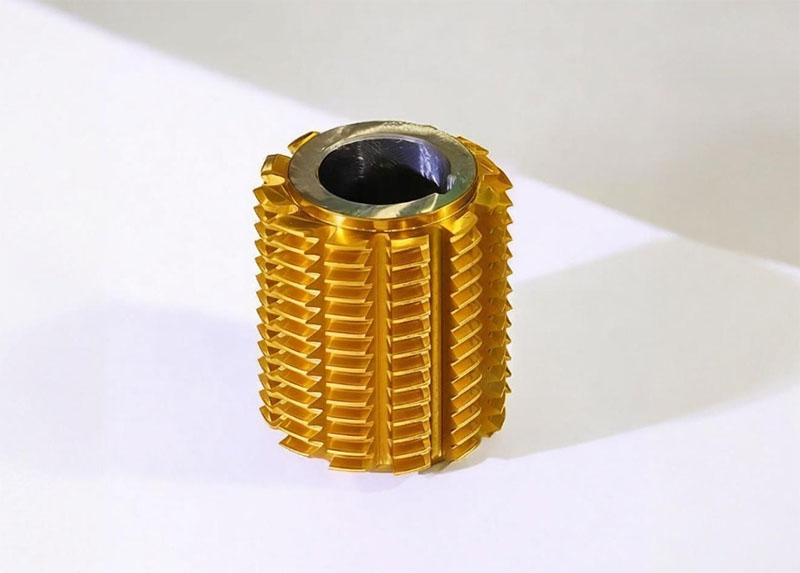
Gear hobs, broaches, and forming tools also gain substantial life from TiN coating. Repeatable edge geometry lowers scrap rates on long production runs. Tooling costs drop per part as each cutter completes more cycles before regrinding.
Industrial Hardware, Hydraulics, and Wear Parts
Hydraulic pistons, guide pins, bushings, and valve components face constant sliding contact. TiN coating lowers friction and resists scoring under high side loads. Smoother motion reduces seal wear and extends maintenance intervals on industrial machinery.
Injection molds and stamping dies also benefit from surface hardness and release behavior. Reduced sticking and abrasion help molders hold crisp part details across thousands of shots. Fewer unplanned stops keep molding and stamping schedules moving smoothly.
Medical, Aerospace, and Specialty Components
Medical instruments and surgical tools often rely on TiN coating for hardness and corrosion resistance. Its smooth, non-reactive surface supports cleanability and long-term durability in clinical use. Designers also value its distinct gold tone for quick instrument identification.
Aerospace and defense engineers evaluate TiN for lightweight actuators, fasteners, and precision sliding interfaces. High strength-to-weight alloys gain extra wear protection without bulky add-on sleeves. Every saved gram and extended service interval strengthens system reliability.
Choosing the Right Partner for TiN-Coated Parts
Great surface coatings cannot rescue poorly machined parts or sloppy tolerances. True performance starts with accurate CNC machining, clean edge breaks, and thoughtful design review. Engineers achieve the best results when machining and coating workflows align from day one.
Teams should share operating loads, mating materials, and tolerance callouts early in quoting. A TiN coating adds thickness, even if only a few microns. Discussing fit allowances upfront prevents tight bores or precision pins from binding after coating.
Checking surface roughness before coating also pays off in high-friction applications. Smooth pre-coating finishes help coated surfaces slide with even less resistance. Clear communication between design engineers and manufacturers prevents costly rework and delays.
Supply chain reliability matters just as much as technical specifications on every order. Missed schedules or mismatched batches create headaches across procurement and engineering teams. Working with a responsive manufacturing partner keeps projects moving smoothly from sample to scale.
Partner with SYM Machining for Precision Parts
En SYM Mecanizado, we build precision components engineered for demanding real-world performance. Our team combines disciplined CNC machining, strict quality control, and dependable surface finishing coordination. Whether you need custom prototypes or steady production runs, we help your parts perform longer.
Ready to upgrade your components with Titanium Nitride (TiN) coating and precision machining? Contact SYM Mecanizado today to review your drawings, discuss material options, and request a fast quote. Let our engineering and production team help you deliver tougher, more reliable parts to your customers.
Artículo relacionado:
Más que un simple acabado negro: La ingeniería detrás del recubrimiento DLC