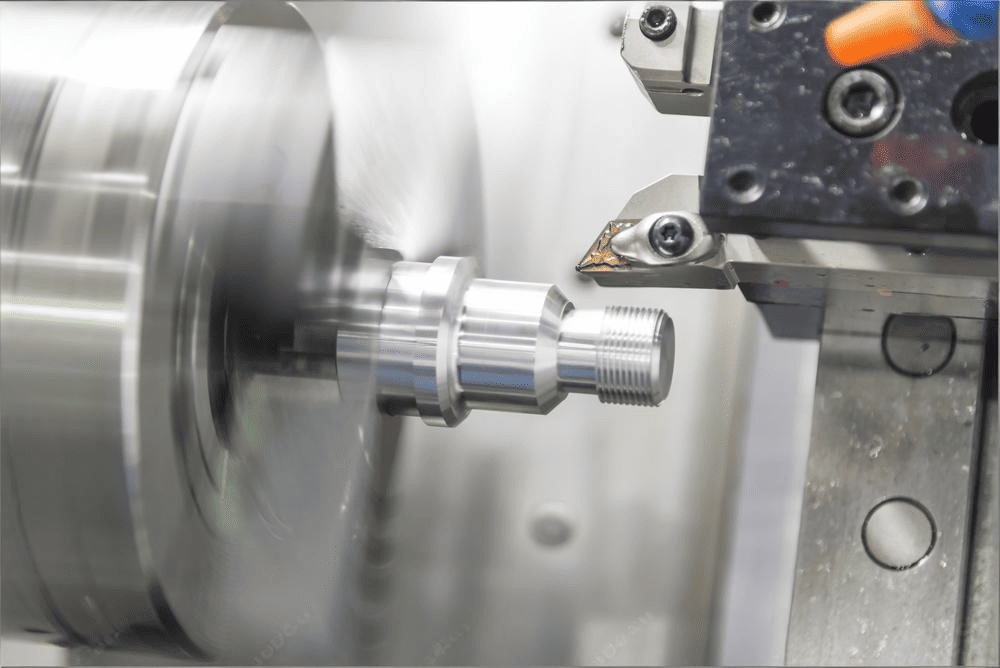
Today, Let’s talk about threading mistakes in CNC machining.Threaded components are everywhere in modern mechanical assemblies. From aerospace housings and automotive engine blocks to medical devices and industrial equipment, threads play a fundamental role in fastening, sealing, load transfer, and motion control. Yet despite their apparent simplicity, threading errors remain one of the most common and costly issues in CNC machining.
Poorly executed threads lead to assembly failures, leakage, premature wear, rejected parts, warranty claims, and production delays. In high-precision industries, even a minor threading defect can compromise an entire system.
For manufacturers relying on professional CNC machining services, understanding common threading mistakes is essential to reducing risk and controlling costs. At SYM-Bearbeitung, threading accuracy is treated as a critical engineering discipline rather than a routine operation. Below are seven threading mistakes that frequently cost companies time and money—and how to avoid them.
Choosing the Wrong Thread Type for the Application
One of the most expensive threading mistakes happens before machining even begins: selecting an inappropriate thread specification. Not all threads are interchangeable, and using the wrong type can create major functional and compliance issues.
Metric threads, UNC/UNF threads, BSP threads, NPT threads, and custom thread profiles all serve different mechanical and sealing purposes. For example, NPT threads are tapered and designed for pressure sealing, while UN threads are typically straight and intended for mechanical fastening. Confusing these standards can result in leakage, improper torque, or incompatible mating components.
Additionally, thread pitch selection influences load distribution and vibration resistance. Fine threads provide greater clamping force and improved adjustment precision, while coarse threads offer better performance in softer materials.
Failure to align thread selection with functional requirements often leads to rework, scrap, or field failure. A professional CNC machining service must evaluate load conditions, material properties, sealing needs, and assembly requirements before confirming thread specifications.
Ignoring Material Behavior During Threading
Different materials respond differently to threading processes. Aluminum, stainless steel, hardened steel, titanium, and brass all exhibit unique cutting characteristics, chip formation patterns, and thermal responses.
For example, stainless steel tends to work-harden during machining. If threading parameters are not optimized, tool wear accelerates and threads may exhibit tearing or poor surface finish. In softer materials such as aluminum, aggressive cutting can cause burr formation or dimensional distortion.
In hardened steels, improper threading tools can break prematurely or produce inaccurate profiles. Titanium alloys may cause galling if not machined with appropriate speeds and lubrication.
Ignoring material behavior leads to increased tool consumption, inconsistent thread geometry, and surface damage. Experienced CNC machining providers like SYM Machining adjust tooling selection, cutting speed, feed rate, and coolant strategy based on the specific material to ensure thread accuracy and durability.
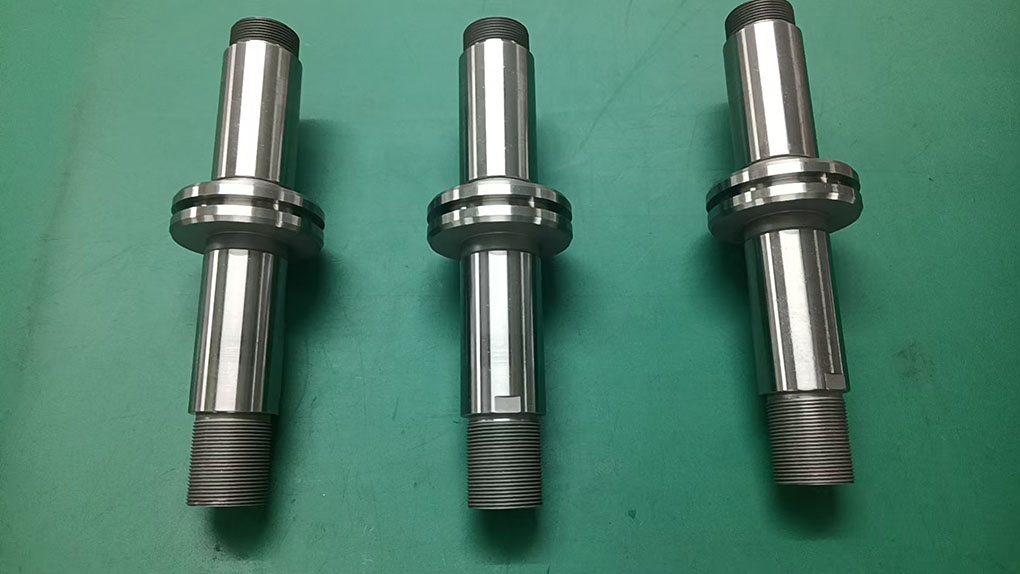
Poor Thread Depth Control and Tolerance Mismanagement
Thread accuracy is not only about pitch and diameter—it also depends on correct thread depth and tolerance control. Undercutting threads can reduce engagement strength, while overcutting can weaken mating connections or cause looseness.
In precision assemblies, improper thread class fit (such as 2A/2B vs. 3A/3B in unified thread systems) can lead to vibration issues or difficult assembly. If the thread tolerance is too tight, installation becomes problematic. If too loose, mechanical integrity suffers.
Additionally, thermal expansion during machining can subtly influence thread dimensions. Without proper machine calibration and compensation, tolerance drift may occur over longer production runs.
Advanced CNC threading requires real-time dimensional verification and controlled process monitoring. Gauge inspection—such as go/no-go gauges or thread micrometers—must be integrated into the workflow. At SYM Machining, strict inspection protocols ensure that thread tolerances consistently meet design intent.
Using Incorrect Tooling or Worn Threading Tools
Threading tools must be precisely matched to thread geometry and material type. Using a generic tool for specialized threads often results in poor surface finish, inaccurate pitch, or incomplete profiles.
Worn tooling presents an even greater risk. As cutting edges degrade, thread form accuracy deteriorates. Crest and root geometry may become inconsistent, leading to improper fit or premature failure under load.
Unter CNC-Bearbeitungsdienstleistungen that prioritize quality, tooling management is systematic. Tools are monitored for wear, replaced proactively, and selected according to specific thread forms—whether single-point threading, thread milling, or tapping operations.
Thread milling, in particular, offers enhanced control for complex or large-diameter threads, reducing stress on the tool and improving chip evacuation. Choosing the appropriate method is essential for minimizing downtime and scrap.
Overlooking Chip Evacuation and Coolant
Threading generates concentrated chips within confined spaces, especially in blind holes. Poor chip evacuation can damage thread flanks, clog cutting paths, and compromise surface finish.
In blind hole tapping, chip accumulation often leads to broken taps—one of the most expensive and time-consuming failures in machining. Removing a broken tap from a precision component can be extremely difficult and may render the part unusable.
Coolant strategy also plays a vital role. Proper lubrication reduces friction, prevents galling, and extends tool life. In high-strength materials, insufficient cooling can cause thermal distortion or surface tearing.
Professional CNC machining services implement optimized coolant pressure, chip evacuation pathways, and cycle programming to prevent these issues. At SYM Machining, threading operations are engineered to maintain clean cutting conditions and prevent tool breakage.
Neglecting Surface Finish and Burr Control
Thread performance is strongly influenced by surface integrity. Rough thread flanks increase friction during assembly and can accelerate wear. Burrs at thread entry points interfere with proper fastening and may cause cross-threading.
Surface roughness is especially critical in applications involving sealing or high cyclic loading. Inadequate surface finish can lead to leakage in fluid systems or fatigue cracks under dynamic stress.
Secondary operations such as deburring and surface finishing are often overlooked in cost-driven manufacturing environments. However, skipping these steps frequently results in assembly delays and customer complaints.
High-quality CNC machining providers ensure that threads are properly finished, deburred, and inspected before delivery. Controlled cutting parameters and post-machining treatments contribute to improved thread durability and reliability.
Failing to Validate Thread Quality Through Inspection
Even when machining processes are optimized, failing to verify thread integrity can result in hidden defects reaching customers. Visual inspection alone is insufficient for precision threads.
Proper validation includes:
- Go/no-go gauge testing
- Thread pitch diameter measurement
- Optical or CMM verification for critical components
- Surface roughness measurement when required
Without systematic inspection, minor deviations may go undetected until assembly, when correction becomes significantly more expensive.
Thread inspection should be embedded within the CNC machining process, not treated as an afterthought. SYM Machining integrates quality control checkpoints throughout production to ensure thread compliance before shipment.
The True Cost of Threading Errors
Threading mistakes do more than damage individual parts—they disrupt production schedules, delay assemblies, and erode customer trust. Scrap material, machine downtime, and rework hours quickly accumulate into significant financial losses.
In regulated industries such as aerospace and medical manufacturing, threading failures can also trigger compliance issues and audit findings. For manufacturers competing in high-precision markets, preventing threading errors is essential for maintaining reputation and profitability.
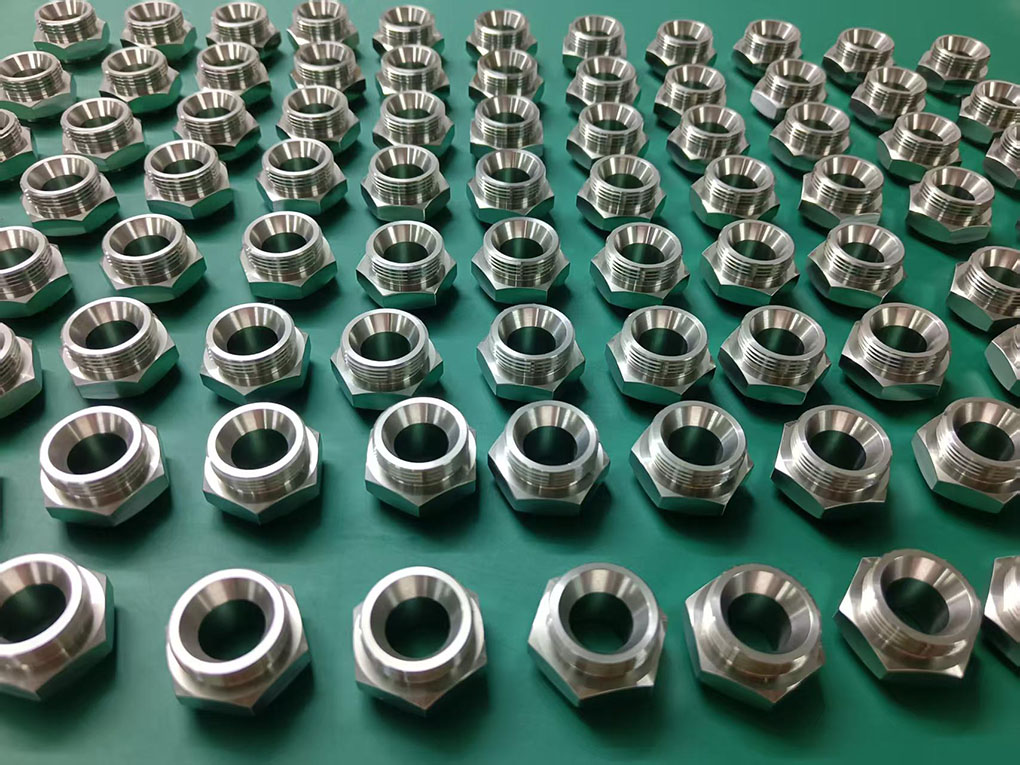
Why Professional CNC Machining Services Matter
Threading may appear routine, but achieving reliable, repeatable results requires technical expertise, advanced equipment, and disciplined process control. CNC programming must account for material properties, toolpath strategy, and tolerance requirements. Tooling selection and maintenance must be systematic. Inspection must be rigorous.
By partnering with an experienced CNC machining service provider, manufacturers reduce risk and improve overall production efficiency.
Partner with SYM Machining to Eliminate Threading Risks
Unter SYM-Bearbeitung, threading is approached with engineering precision and strict quality control. Our advanced CNC machining capabilities, experienced technical team, and comprehensive inspection processes ensure that every threaded component meets exact dimensional and performance requirements.
Whether your project involves high-strength steel components, precision aluminum housings, or complex custom threads, SYM Machining delivers consistent accuracy and dependable results.
If you want to reduce scrap, prevent costly assembly issues, and ensure reliable thread performance, contact SYM-Bearbeitung today. Our CNC machining services are designed to protect your production timeline while delivering the precision your industry demands.
Verwandte Artikel:
How SYM Machining Delivered a Complex Part Solution?
Will Artificial Intelligence Benefit the CNC Machining Industry?